

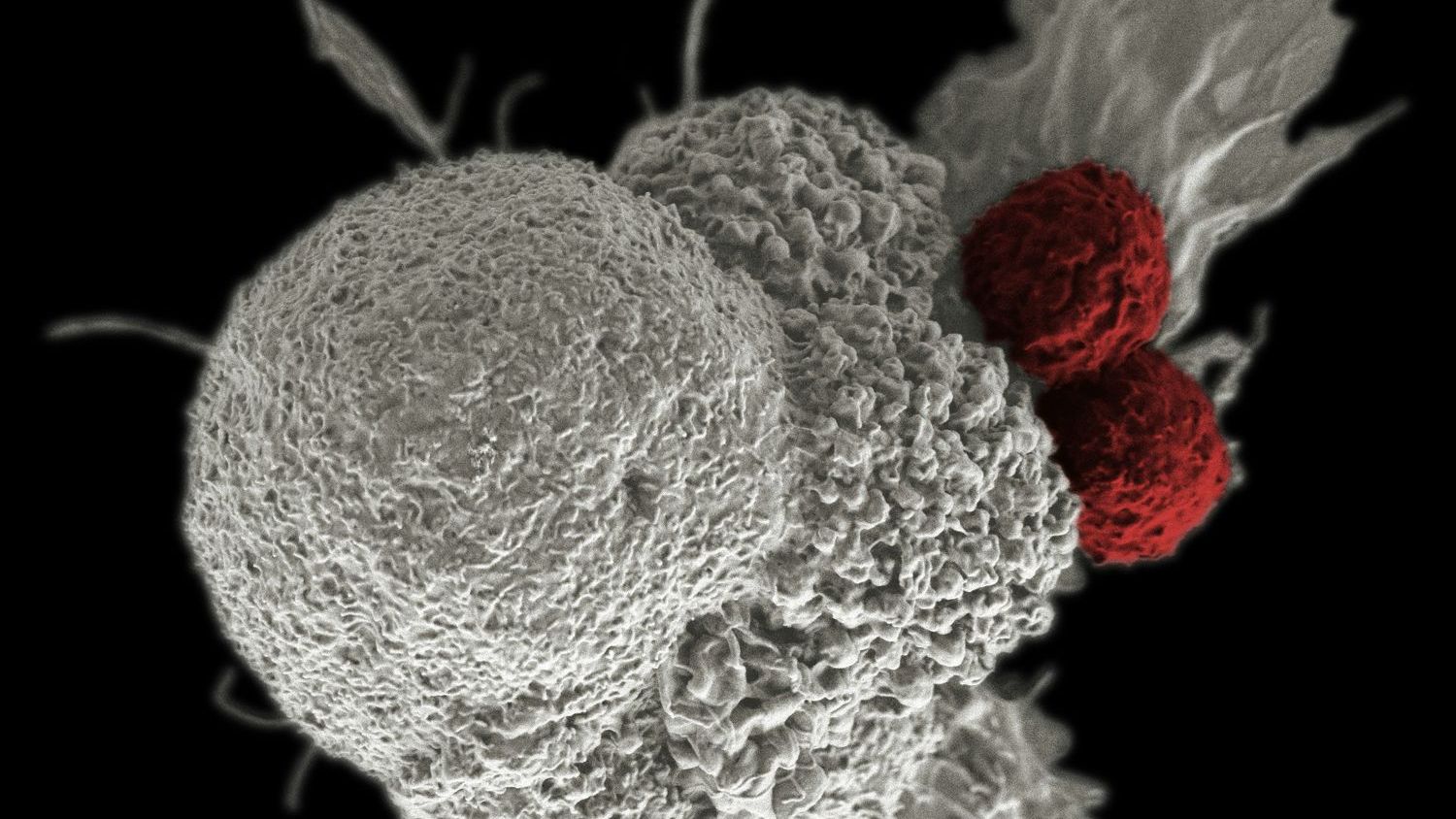
A revolutionary cancer treatment could transform autoimmune disease – Image for illustrative purposes only (Image credits: Unsplash)
At 49, Jan Janisch-Hanzlik faced a future shaped by advancing multiple sclerosis that had already forced her to leave bedside nursing for desk work and raised fears about using a wheelchair full time. Standard treatments offered little relief, prompting her to contact researchers repeatedly until she became the first enrollee in a CAR T cell therapy trial at the University of Nebraska Medical Center. The approach, originally developed to eliminate cancer cells, is now being tested in hundreds of studies for autoimmune conditions because it may clear the specific immune cells that attack healthy tissue and allow the system to rebuild without that self-directed response.
The Patient Experience Driving Early Trials
Janisch-Hanzlik lives near Blair, Nebraska, and her daily limitations had grown severe enough that she worried about carrying her grandchildren or maintaining independence. When conventional medication failed to slow her symptoms, she learned of the nearby trial and persisted with regular calls to the clinic. Her enrollment marks one of the first steps in applying CAR T cell therapy outside oncology, where the same cell-reprogramming technique targets immune cells gone awry rather than malignant ones.
Stories like hers illustrate why researchers see potential in this shift. Patients with longstanding autoimmune disease often exhaust available options without regaining lost function. Early trial participants are helping determine whether a single course of reprogrammed cells can produce lasting change by removing the problematic immune population at its source.
Roots in Cancer Treatment
CAR T cell therapy was first approved for certain blood cancers after clinical results showed it could locate and destroy cells expressing specific surface markers. The process begins with collecting a patient’s own T cells, genetically modifying them to recognize a chosen target, and then infusing the enhanced cells back into the body. In cancer settings, those modified cells expand and persist, providing ongoing surveillance against remaining tumor cells.
The same engineering steps are now being adapted for autoimmune disease. Instead of a cancer-associated marker, the cells are directed against immune cells that produce autoantibodies or drive inflammation against the body’s own tissues. This targeted elimination is intended to interrupt the disease process at a fundamental level rather than merely suppressing symptoms.
How the Therapy Aims to Achieve an Immune Reset
Researchers describe the goal as returning the immune system to a state resembling the period before autoimmune activity began. By depleting the specific B cells or other lymphocytes responsible for self-attack, the body may repopulate with new cells that no longer carry the same faulty recognition. Early observations in small autoimmune cohorts suggest that some patients experience reduced disease activity after the procedure, though longer follow-up is required to confirm durability.
Unlike continuous immunosuppressive drugs, CAR T cell therapy is given as a one-time or limited infusion. The modified cells are expected to act for weeks to months, after which the immune repertoire can reconstitute. This approach carries risks, including temporary drops in healthy immune cells and the need for supportive care during recovery, yet it offers the possibility of drug-free remission for certain patients.
Conditions Under Investigation and Next Steps
Current trials are exploring CAR T cell therapy across a range of autoimmune disorders, including multiple sclerosis, lupus, Graves’ disease, and vasculitis. Each study tailors the target marker to the dominant immune cell driving that particular condition. Hundreds of such trials are now registered worldwide, reflecting rapid expansion from the original cancer applications.
Key questions remain about optimal dosing, patient selection, and long-term safety. Investigators are tracking whether the reset effect persists without additional interventions and how the therapy compares with existing standards of care. Results from these early studies will guide larger trials and eventual regulatory review.
Outlook for Broader Use
The transition of CAR T cell therapy into autoimmune research represents a notable example of platform technology finding new applications. Success in these trials could expand treatment options for patients who have not responded to conventional therapies. Continued monitoring of trial participants will clarify both the benefits and the limitations of this approach in non-cancer settings.
As data accumulate, clinicians and patients alike will gain clearer guidance on when and for whom this immune-system reset strategy may prove most valuable. The coming years of research will determine whether the promise observed in cancer can translate into meaningful, lasting improvements for people living with autoimmune disease.