

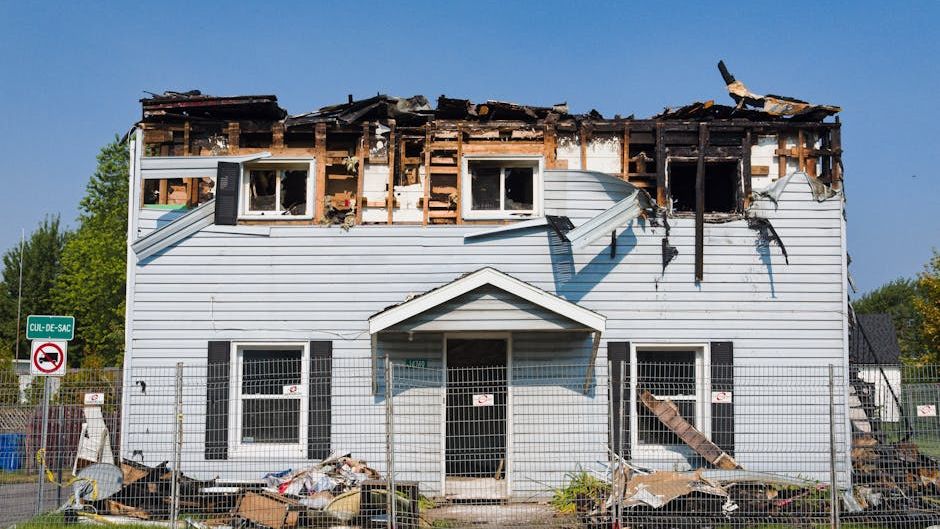
Rethinking Homeowners Insurance: The Catastrophe-Only Rule – Image for illustrative purposes only (Image credits: Pexels)
Insurance companies canceled or non-renewed more than 1.7 million homeowners policies across the U.S. in recent years, often after policyholders filed even minor claims. This trend reflects a broader instability in the industry, driven by escalating risks from severe weather and rising repair costs. Homeowners now face an adversarial dynamic with their insurers, who prioritize risk management over comprehensive protection. Shifting to a “catastrophe-only” mindset offers a practical way to maintain coverage while avoiding pitfalls.
The Insurance Industry’s Risk-First Turn
Providers once marketed expansive policies through reassuring advertisements, but that era has ended. Companies now operate under intense pressure from frequent catastrophes and unpredictable losses. They exclude more perils from standard policies and scrutinize claims rigorously to control exposure.
This evolution positions insurers as cautious partners rather than reliable allies. A single small claim can trigger scrutiny, leading to higher premiums or outright non-renewal. Once dropped, policyholders enter shared industry databases that deter other carriers from offering coverage. The result leaves many struggling to secure affordable protection amid growing climate threats.
Storm Chasers and the Temptation of Easy Claims
Opportunistic contractors often approach homeowners after storms, promising free repairs through insurance claims for supposed damage like hail on roofs. These pitches exploit vulnerabilities but carry hidden dangers. Filing such claims inflates premiums and risks policy cancellation.
Industry data tracks these incidents, branding claimants as higher risks. What seems like a quick fix undermines long-term insurability. Homeowners who resist these tactics preserve their standing and avoid escalating costs. True damage warrants involvement, but cosmetic or wear-related issues do not.
Embracing Catastrophe-Only Protection
The core strategy involves reserving insurance for major disasters – fires, hurricanes, or total losses – that exceed personal financial capacity. Routine maintenance or minor repairs fall under self-funding responsibilities. This approach aligns with insurers’ current model and stabilizes premiums.
Raising deductibles to the highest tolerable level, often $5,000 or more, delivers immediate savings on monthly payments. Lenders typically cap this at 2-5% of dwelling coverage for mortgaged properties. Homeowners gain control by treating policies as safety nets rather than repair funds. Savings from lower premiums build a reserve for everyday fixes.
| Traditional Mindset | Catastrophe-Only Approach |
|---|---|
| Use insurance for all repairs, big or small | Self-fund minor issues; claim only disasters |
| Low deductible for convenience | High deductible to cut premiums and claims |
| Risk non-renewal after any claim | Maintain clean record for ongoing coverage |
| View insurer as full-service provider | Treat insurer as last-resort partner |
Navigating Coverage Gaps and Key Precautions
High deductibles lower costs but demand vigilance against underinsurance. Many overlook inflation in rebuilding expenses, leaving policies short for total losses. Annual reviews ensure dwelling limits match current replacement values, often adjusted via insurer tools or appraisals.
Build an emergency fund covering the deductible plus typical repairs. This self-insurance buffer prevents forced claims during lean times. Verify exclusions for regional risks like floods or earthquakes, which require separate policies. Regular policy audits reveal mismatches before crises strike.
Steps to Implement and Protect Your Policy
Begin by contacting your agent to model premium reductions from higher deductibles. Compare quotes if needed, emphasizing a claims-free history. Document home improvements that boost value, supporting higher coverage limits without proportional premium hikes.
- Assess savings: Target a deductible that drops premiums by 20-40%, backed by liquid reserves.
- Validate limits: Confirm replacement cost covers full rebuild at prevailing material and labor rates.
- Reject unsolicited pitches: Politely decline roofers or adjusters without verified damage.
- Monitor annually: Review policy amid rate changes or life events like renovations.
Homeowners who adopt this disciplined strategy sidestep the industry’s volatility and secure reliable protection for true emergencies. As weather patterns intensify, proactive management preserves access to essential coverage. This balanced view transforms insurance from a frequent expense into a vital safeguard.