

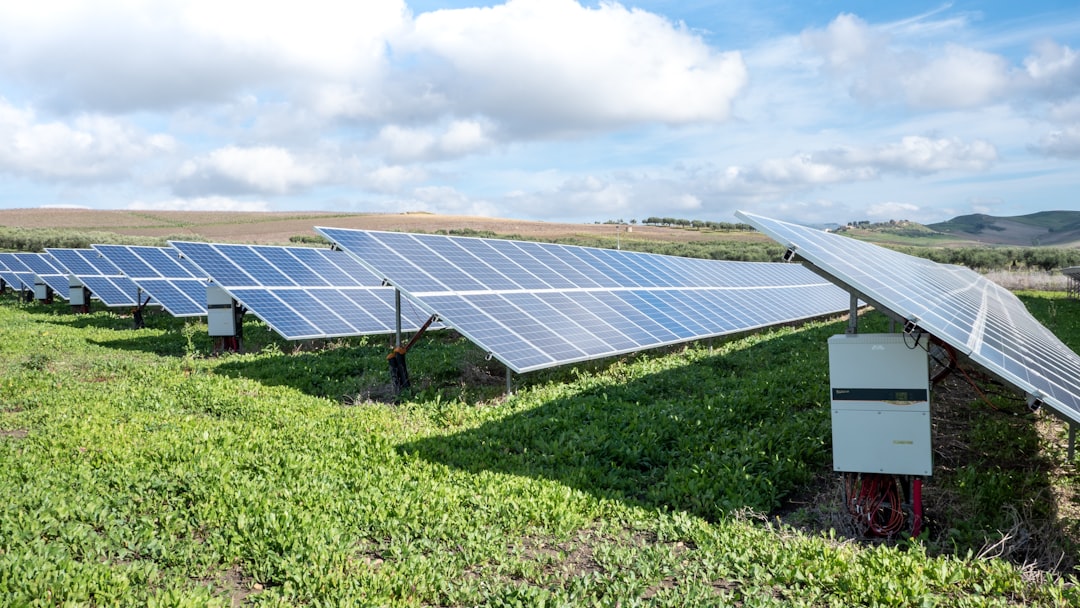
DeBriefed 1 May 2026: Countries chart path away from fossil fuels | China’s clean-tech surge | Global forest loss slows – Image for illustrative purposes only (Image credits: Unsplash)
In the midst of an escalating global energy crisis triggered by the Iran war, ministers and envoys from 57 nations convened last week in Colombia to confront a stark reality: reliance on coal, oil, and gas leaves communities vulnerable to shortages and price spikes. Held from April 24 to 29 in Santa Marta, the summit marked the first dedicated forum on transitioning away from fossil fuels, drawing representatives from economies comprising one-third of global GDP. Participants emerged with commitments to craft national roadmaps for the shift, alongside fresh strategies to tackle subsidies and high-carbon trade practices. This gathering highlighted a rare willingness to prioritize human needs over entrenched energy habits.
A Refreshing Shift in Climate Diplomacy
The summit’s informal format broke from rigid UN-style negotiations, fostering candid exchanges in small groups. Ministers sat alongside civil society leaders and Indigenous representatives in closed-door breakout sessions, guided by the Chatham House rule to encourage unfiltered input. Co-hosts Colombia and the Netherlands designed these circles – no laptops allowed – to draw out heartfelt barriers to clean energy adoption.
UK special representative on climate Rachel Kyte captured the mood during a media huddle, noting the value in small-circle talks: “I have to say that it is really nice to sit in a small circle…In a negotiation, it’s very, very fast-moving and transactional. But now we have had two days to think about [fossil-fuel transition issues] and this only.” Panama’s special representative Juan Carlos Monterrey Gómez echoed this, calling the setup groundbreaking after initial skepticism: “They put us in a format where we could not open our computers, so we had to speak from our minds and our hearts. That completely flipped my perception.”
Sessions covered topics from phasing out fossil extraction to reforming finance flows. A pre-conference of 400 scientists launched a new panel to deliver rapid analyses for accelerating transitions and endorsed a report urging a halt to all new fossil fuel developments.
China’s Clean Energy Exports Fuel the Surge
Momentum built beyond the summit as China’s dominance in clean technologies intensified. Exports of solar cells and panels, electric vehicles, and lithium-ion batteries – dubbed the “new three” – jumped 70% year-on-year in March 2026, hitting $21.6 billion. This followed a 37% rise from February, even before the Iran conflict sharpened global urgency for non-fossil supplies.
Analysts pointed to multiple drivers: the war’s push for energy security, a domestic policy deadline, and plummeting silver prices that nearly doubled solar shipments. These figures underscore how manufacturing prowess positions China to meet rising demand, potentially easing pressures on households worldwide facing fuel volatility.
Encouraging Trends Amid Persistent Hurdles
Other developments offered glimmers of progress. Tropical forest loss slowed last year, driven largely by Brazil’s Amazon protections, according to data from the World Resources Institute and University of Maryland. In the US, clean energy installations headed for another record, outpacing all other power sources despite policy headwinds from the Trump administration.
Global coal power output faces at most a 1.8% rise this year, curbing fears of a crisis-fueled rebound. Yet challenges loomed: the UAE announced its exit from OPEC on Tuesday, exposing rifts among Gulf producers amid the energy crunch. Tensions at the International Maritime Organization in London also surfaced, with gas-heavy investors pressuring zero-emission shipping talks.
- National roadmaps for fossil phase-outs
- Tools to curb subsidies and carbon trade
- New science panel for transition support
- Deliveries to COP30 and COP31 presidencies
Toward a Broader Coalition
Outcomes from Santa Marta now head to Brazil’s COP30 team, which is shaping a global fossil fuel roadmap for COP31 in Turkey this November. Co-hosts excluded over 130 nations to maintain focus, drawing mixed reactions, but pledged an “open coalition” with future invitations.
For communities enduring blackouts or soaring bills, these steps signal a pivot where practical tools could shield lives from fossil dependencies. Questions linger on scaling this momentum to include holdouts, but the summit’s human-centered talks offer a blueprint for diplomacy that feels within reach.