

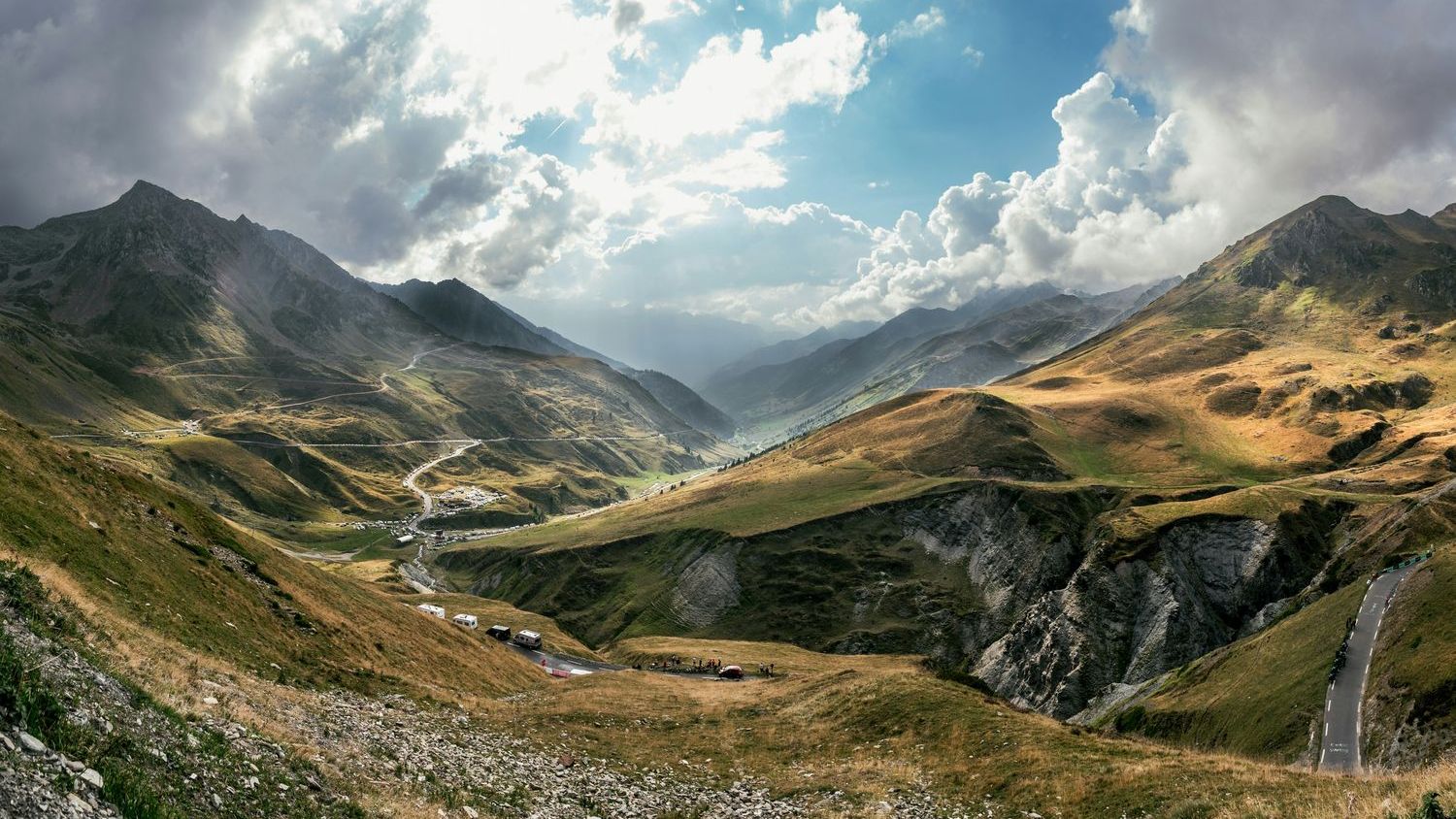
Burned stone, child's bones, and lost jewelry hint at prehistoric mining camp high in the Pyrenees – Image for illustrative purposes only (Image credits: Unsplash)
Pyrenees Mountains – Archaeologists have uncovered compelling evidence in a remote cave at 2,235 meters above sea level that challenges long-held views on prehistoric human activity in high-altitude regions. Starting around 5,500 years ago, a community made repeated trips to Cave 338 to mine and process malachite ore for copper production. The discovery of burned stones, a child’s bones, and lost jewelry points to sustained occupation over thousands of years, rather than fleeting passages through the rugged terrain.
Artifacts That Defy Expectations
Excavations at Cave 338 yielded a collection of items that speak to prolonged human presence in an environment once considered too harsh for extended stays. Burned stones suggest intense heat from processing activities, likely linked to smelting or roasting the green malachite ore abundant in the area. The child’s bones indicate that entire families, including the young, ventured into these elevations, hinting at a level of organization and commitment beyond simple foraging expeditions.
Lost jewelry added another layer of intrigue, with small adornments dropped amid the mining debris. These finds imply personal belongings carried during laborious climbs, lost perhaps in the dim light of the cave. Together, the artifacts paint a picture of a functional camp where resources were not just gathered but worked on site.
Overturning Assumptions About Mountain Mobility
Previous research posited that prehistoric groups traversed high mountains seasonally or transiently, avoiding permanent or repeated settlements due to harsh weather and scarce food. This new evidence from the Pyrenees disrupts that narrative, showing systematic exploitation of alpine resources beginning 5,500 years ago. The community returned multiple times across millennia, transforming the cave into a specialized mining outpost.
Such persistence required knowledge of routes, tools for extraction, and strategies for survival at altitude. The presence of juvenile remains underscores the risks involved, yet also the cultural importance of these materials. Copper from malachite held value worth the endeavor, fueling early metallurgy in the region.
Key Finds and Their Implications
The site’s artifacts cluster around mining and processing, with burned stones as hallmarks of thermal treatment for ore refinement. Child bones, found in context with work debris, suggest accidental death or ritual deposition amid daily operations. Jewelry fragments, possibly beads or pendants, evoke the human element – personal items amid industrial toil.
- Burned stones: Evidence of on-site heating to prepare malachite for copper extraction.
- Child’s bones: Indicate family involvement in high-risk activities.
- Lost jewelry: Hints at carried possessions, pointing to repeated, multi-trip use of the cave.
- Malachite remnants: Core resource confirming mining purpose over thousands of years.
These elements collectively argue for a prehistoric mining camp, not a mere waypoint. The high altitude amplified the achievement, as communities adapted to thin air and isolation for economic gain.
Excavations Set to Resume
Work at Cave 338 paused after initial digs, but teams plan to reopen the site this summer for deeper exploration. Further analysis could reveal tools, hearths, or additional human remains, clarifying the scale of operations. Preservation challenges at such heights demand careful techniques to protect fragile evidence.
These revelations from the Pyrenees expand our grasp of Neolithic adaptability. What began as a challenge to old theories now promises richer details on how early societies harnessed mountains for progress.