


What the Ascendant Actually Rules in the Physical Body

The Ascendant and the first house are the rulers of one’s physical form. It is the most likely place to have a weakness in the body and takes the most pressure when under stress. The Ascendant and first house have rulership over the head, the core vital energy, and the adrenal glands.
The adrenals are the small glands that sit just on top of the kidneys and produce stress hormones such as adrenaline and cortisol. When our body perceives danger, the adrenals come to the rescue and ready the body for fight or flight, depending on the situation.
This connection is not merely symbolic. Modern endocrinology confirms that the HPA axis, primarily via cortisol secretion, serves as the major neuroendocrine mediator of stress responses, influencing both immune regulation and systemic homeostasis. Medical astrology, as a tradition, has long pointed to these same systems through the rising sign.
The Ascendant as Your Body’s Primary Stress Shield

In the language of medical astrology, the Ascendant is described as a battle shield, as it is the point of the chart that absorbs the most stress, be it physical or mental. It is a point of vulnerability and a great starting point for supporting the physical body. By strengthening this stress point, we can enhance health on a more profound and lasting level.
The Ascendant is most aptly considered a person’s automatic responses to their environment. It shows natural defenses and how we cope with day-to-day issues.
The sign on the cusp of the first house, the Ascendant, represents your physical shell. It shows your basic vitality and how quickly you recover from an injury. That recovery speed varies significantly from one rising sign to the next, and understanding it can genuinely change how you manage stress.
Why Stress Physiology Is Never One-Size-Fits-All
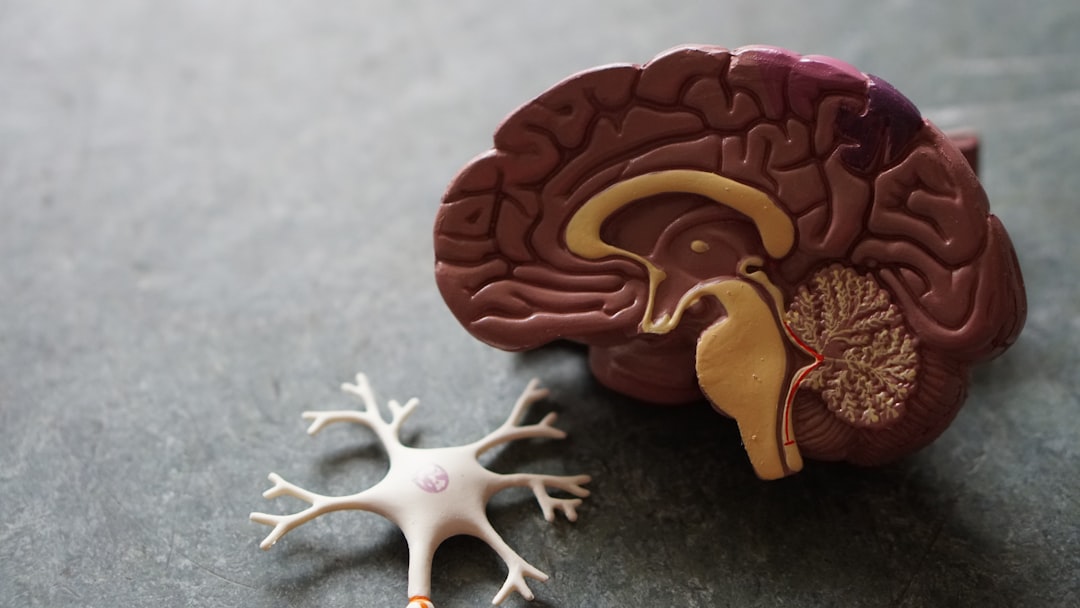
Stress, encompassing psychological, physical, and physiological challenges, is an important factor affecting an individual’s well-being and potentially leading to psychiatric, neurodegenerative, immune, and metabolic disorders. However, not everyone exposed to stress develops these conditions, highlighting the concept of resilience. Resilience is a dynamic process categorized into four dimensions: pre-existing resilience capacity, ongoing resilience processes, post-stress resilience outcomes, and recovery from psychopathologies.
These dimensions involve genomic, cellular, and systemic interactions influenced by genetic factors, early life experiences, adult life experiences, community and environmental factors, and health behaviors. The biological response to stress encompasses endocrine, autonomic, immunological, and behavioral components, modulated by stressor characteristics and individual traits.
That last point deserves attention. Individual traits, which astrology has mapped for centuries through the Ascendant, are now being studied in conventional science as real modulators of the stress response. The parallels are striking.
Fire Rising: High-Voltage Constitution, High-Voltage Burnout

Fire and Air sign Ascendants are more robust in their general constitutions as they have a Yang quality and are energy-producing. For Aries, Leo, and Sagittarius rising, the body runs hot. These people tend to hit the ground running and often push hard before they pull back.
Leo Ascendants have one of the most robust physical constitutions of the zodiac. They may feel they don’t need much support, but their adrenals and circulatory system need attention and kindness. They may not feel the pressure of stress like other signs, but internally their body still has to cope with the consequences of a busy life.
Fire signs do well in competitive, fast, and adventurous sports and activities. Hiking, biking, and horse riding can all fit into this category as well as running and martial arts. Physical movement is not optional for a fire rising. It is how they metabolize tension that would otherwise stay locked in the body.
Earth Rising: Slow to Break, Slow to Recover

Taurus, Virgo, and Capricorn ascendants are usually considered calm and stress-resistant individuals. The effect of the earth sign ascendant makes people more reserved and collected; they don’t tend to show their emotions and can appear cold.
Virgo Ascendants will experience stress via their nervous system and their digestion. Thankfully, working on one of these systems will also impact the other. Their mental health will significantly impact their physical well-being, and thus they do well with herbs to support their nervous tension.
Earth signs do well with such activities as gardening, lifting weights, strength-style activities, including Pilates, and physical labor around the house. Grounding in a literal sense is both metaphor and practical recommendation for earth rising types who tend to hold stress physically in the muscles and joints.
Air Rising: The Nervous System Carries the Load
The air signs of Gemini, Libra, and Aquarius are noted for their communication skills. When an air sign is on the ascendant the subject is friendly and sociable, but also independent and somewhat detached. That mental agility comes with a cost: the nervous system rarely fully switches off.
Libra Ascendants need to support their adrenals and urinary and kidney system, which keeps the mineral balance in the body. They will tax their system while supporting others and forget to check in with their own needs and health status.
The adrenal connection here is worth pausing on. Aries governs the head, while Libra governs the kidneys. Interestingly, Aries is also associated with the adrenal glands. Libra governs the kidneys, and Aries governs the adrenals, which sit right on top of the kidneys, an intriguing relationship. This Aries-Libra axis reflects a real feedback loop in the body.
Water Rising: Emotional Stress Becomes Physical Stress

The water signs of Cancer, Scorpio, and Pisces are noted for their emotion, intuition, and feeling. When a water sign is on the ascendant the subject will hide their true feelings and have a strong need to protect themselves from the world around them. What you see is often not what you get with water ascendants.
Pisces Ascendants often have a sensitivity to drugs, and sometimes are prone to allergies that come and go. Their physical constitutions seem to be less resistant than most. This heightened sensitivity is not weakness exactly. It is a finely tuned system that picks up far more than it was designed to easily discharge.
This dynamic maps closely onto what science shows us: emotional distress can trigger physiological responses in the body, including the release of cortisol and inflammatory mediators such as cytokines. Persistent activation of the HPA axis and immune response can disrupt metabolic processes. Water rising people may face this pattern more frequently than others.
The Cortisol Connection Across Rising Signs
The hypothalamic-pituitary-adrenal (HPA) axis plays a central role in the body’s stress response and is increasingly recognized as a contributor to a range of chronic health conditions. Medical astrology has long drawn a line between the Ascendant and adrenal function. The science is now drawing one too.
Chronic stress leads to impaired HPA axis feedback, glucocorticoid receptor resistance, and paradoxical cortisol dysregulation, fostering a pro-inflammatory state. What differs between individuals is how quickly this process takes hold, and according to traditional medical astrology, rising sign constitution is one useful way to understand personal vulnerability.
Symptoms of HPA dysfunction vary by stage: early hyperactivity may present as anxiety, insomnia, irritability, weight gain, and elevated blood pressure. Later, hypoactivity or suppression can manifest as fatigue, depression, low blood pressure, poor stress tolerance, and weakened immunity. Different rising signs, the framework suggests, may be prone to different stages of this arc.
The Chart Ruler Adds Another Layer
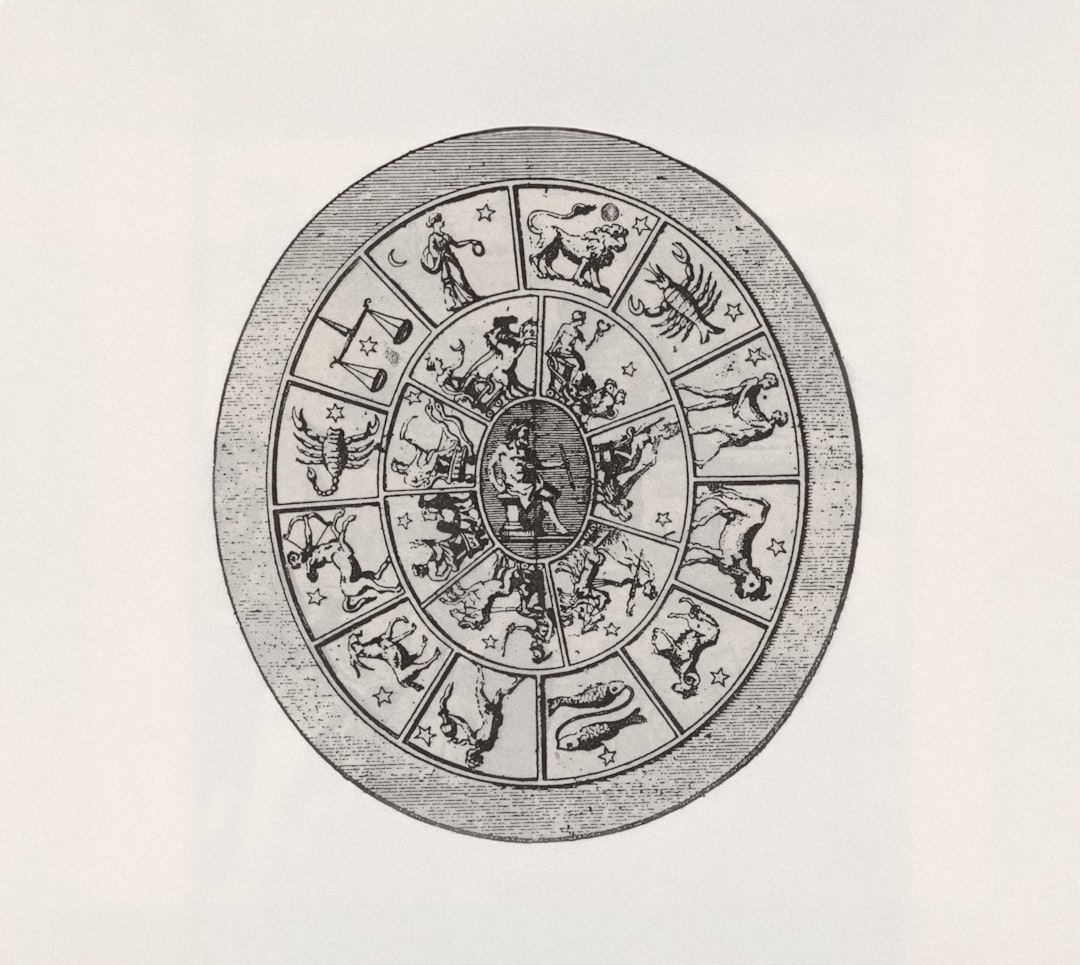
In medical astrology, the Ascendant and its ruler give a foundational blueprint of your physical constitution. They don’t predict illness, but they highlight where you may need extra support, prevention, and care. By combining the Rising Sign tendencies with planetary influences, you can create a holistic picture of health, one that honors your unique body and helps you work with, rather than against, your natural rhythms.
For example, Aries is ruled by Mars, Virgo by Mercury. This planet, known as the chart ruler, adds another layer to your health story. A Virgo rising with Mercury in a tense aspect to Saturn will experience stress differently than a Virgo rising with Mercury comfortably placed in its home sign.
Positive aspects such as a sextile or a trine from Venus or Jupiter can strengthen the constitution and quicken recovery when ill. Positive aspects from the luminaries will give great tone and strengthen the body’s general functions. The rising sign is always the foundation, but it never stands entirely alone.
Preventive Health Through Knowing Your Rising Sign
In medical astrology, the Ascendant and its ruler give a foundational blueprint of your physical constitution. They don’t predict illness, but they highlight where you may need extra support, prevention, and care. This is where the practical value lies, in anticipating vulnerability before it becomes a symptom.
There will always be health challenges throughout life, but the best medicine is preventative medicine. If we are in tune with our bodies, we can sense when little things are off-kilter and adjust with ease rather than waiting for more significant issues to present themselves. While there are no magic bullets when it comes to health, if we are aware of our constitutional needs via our Ascendant and employ appropriate support, we can take the first large step to support our well-being.
Integrative treatment approaches include patient-centered care, mind-body therapies, dietary and lifestyle interventions, targeted nutraceuticals, and adaptogenic herbs, each aimed at restoring balance and improving stress resilience. Understanding HPA axis dysregulation through an integrative lens supports a more individualized and comprehensive approach to care. Medical astrology, at its most practical, is nothing if not an ancient form of individualized medicine.
The Limits of the Framework and Where It Stands Today
It is worth being clear: modern science has not formally validated rising sign health archetypes through controlled clinical studies. Many practitioners use Medical Astrology as a complementary tool, not a replacement for diagnosis or treatment. That boundary matters, and it should be respected.
What astrology offers is a constitutional map, a starting point for self-observation rather than a diagnostic verdict. A common question arises: can astrology predict health issues before they happen? While it cannot diagnose specific diseases, it can highlight periods of increased vulnerability where stress is more likely to affect your physical constitution.
Science, meanwhile, confirms something the tradition has always insisted on: that resilience is not uniform. The prevalence of PTSD and stress-related disorders is determined by subjective perception of trauma, individualized experience, resiliency, vulnerability, genetic, and epigenetic factors. The rising sign may be one ancient attempt to map that individuality onto a coherent, readable system.
The older we get, the more we notice that the body tells its own story. Stress doesn’t land the same way in every person, and recovery timelines look nothing like the neat averages on a chart. Understanding your rising sign won’t rewrite your biology, but it might give you a sharper map of where your body needs the most care, and sometimes that is precisely the edge you need.