

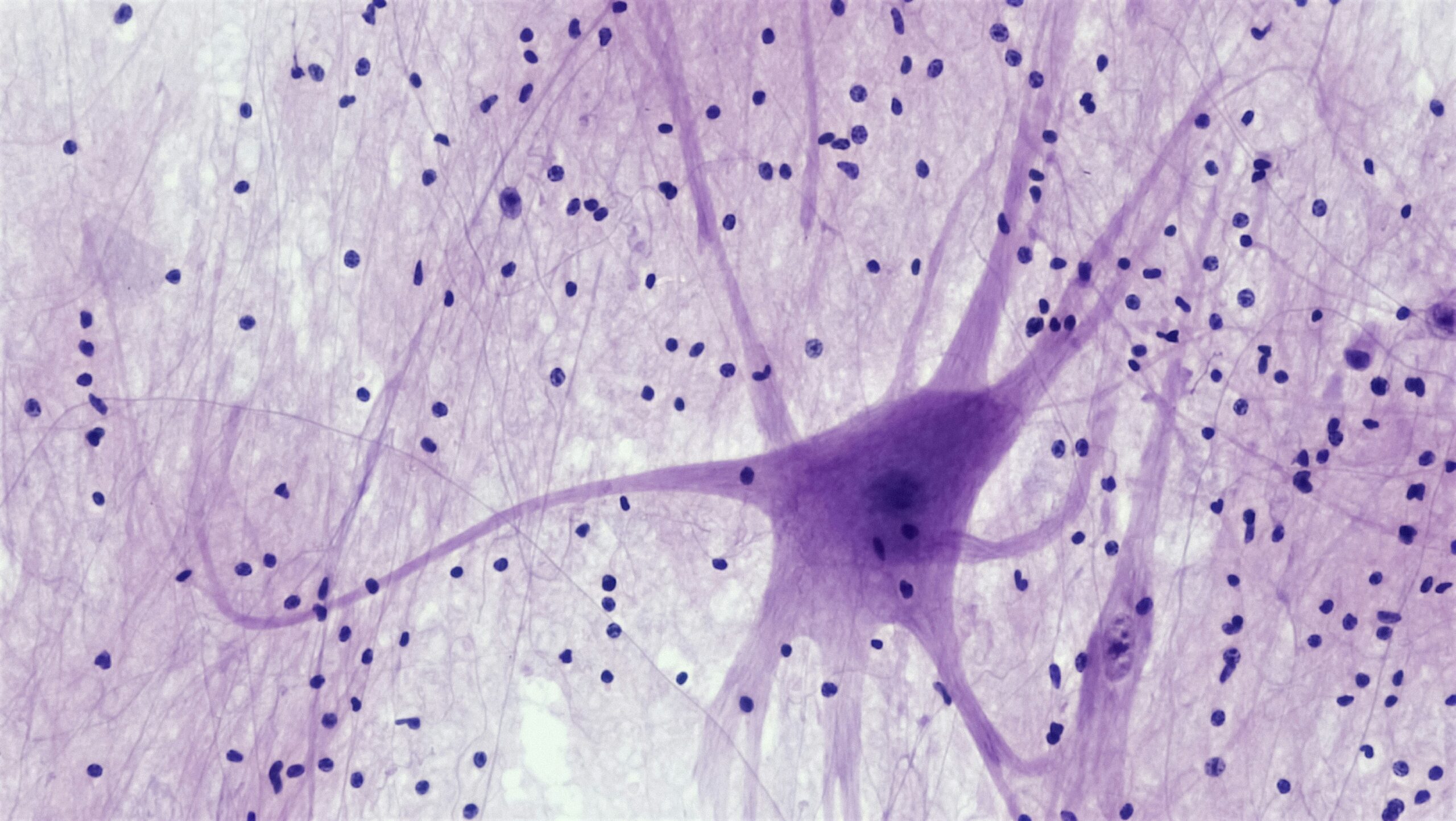
Scientists discover the brain’s hidden “stop scratching” switch – Image for illustrative purposes only (Image credits: Unsplash)
For people living with persistent itching from conditions such as eczema, the urge to scratch can feel impossible to control. A new finding points to a specific molecule that normally acts as an internal brake, signaling the nervous system when enough scratching has occurred. Without this signal, the behavior continues unchecked even after relief should have set in. The research highlights a previously unknown mechanism that could reshape understanding of chronic itch.
The Role of TRPV4 in Itch Regulation
Scientists identified TRPV4 as a key component in the body’s response to scratching. This molecule functions within the nervous system to monitor and limit the activity once the itch sensation begins to ease. In healthy conditions, it helps prevent excessive scratching that might otherwise damage the skin or prolong discomfort. The discovery emerged from targeted experiments designed to isolate how the brain processes itch relief.
TRPV4 appears to form part of a braking system that activates during the scratching process itself. When the molecule is present, it contributes to a feedback loop that eventually tells the body to stop. This built-in limit protects against the cycle of irritation that often worsens skin conditions. Researchers noted that the molecule’s absence disrupts this natural endpoint without eliminating the initial urge to scratch.
Evidence from Experiments on Chronic Itch
Tests focused on models of chronic itch similar to eczema provided clear contrasts. Mice engineered to lack the TRPV4 signal scratched less frequently overall than typical mice. Yet when scratching did begin, these animals continued the action far longer than expected, unable to reach a natural stopping point. The pattern suggests the molecule is essential for terminating the behavior once it has served its purpose.
These observations align with real-world experiences of patients who describe scratching that feels automatic and hard to interrupt. The experiments isolated the effect to the nervous system’s internal controls rather than changes in skin sensitivity alone. Results showed that the missing signal did not remove the itch sensation but removed the ability to recognize when relief had been achieved. Such findings underscore how a single molecular pathway can influence the duration and intensity of scratching episodes.
Potential Pathways for Future Treatments
Understanding this braking mechanism opens avenues for therapies aimed at restoring or mimicking the stop signal in people with chronic itch. Current treatments often focus on reducing inflammation or blocking itch receptors at the skin level. Targeting the nervous system’s regulatory switch could address the behavioral component that keeps the cycle going. Early data indicate that enhancing TRPV4 activity might help patients reach a point of satisfaction sooner during scratching episodes.
Still, the work remains in its initial stages, and direct applications to human medicine require further validation. Questions persist about how the molecule interacts with other itch-related pathways and whether similar brakes exist for different types of itch. Researchers emphasize that any new approach would need to balance relief with avoiding unintended effects on normal sensory functions. The discovery adds a layer of precision to ongoing efforts to manage conditions that affect millions worldwide.
What This Means for Patients and Research
The identification of an internal stop mechanism shifts attention toward the brain’s role in itch management. Patients with eczema and similar disorders often face disrupted sleep, skin damage, and reduced quality of life from uncontrolled scratching. A treatment that reinforces the natural brake could complement existing options and reduce reliance on stronger medications. Ongoing studies will explore whether the same pathway influences other repetitive behaviors tied to discomfort.
Key areas for continued investigation include:
- Mapping how TRPV4 connects with broader neural circuits involved in itch processing.
- Testing compounds that selectively activate or support the braking function in living systems.
- Determining whether the mechanism varies across different chronic itch triggers beyond eczema.
These steps will clarify the discovery’s reach while respecting the limits of current evidence.
The finding illustrates how even familiar sensations like itching rely on finely tuned biological controls that can fail in disease states. As research advances, it may lead to more targeted strategies that respect the body’s own signals rather than overriding them entirely. For those affected by relentless itch, the work offers a clearer picture of why stopping can prove so difficult and where solutions might eventually lie.