


What a Dopamine Fast Actually Is (and Isn’t)

The term was coined by California psychiatrist Dr. Cameron Sepah as a method rooted in cognitive behavioral therapy. What Sepah intended was a way for people to become less dominated by the unhealthy stimuli – the texts, the notifications, the beeps, the rings – that accompany living in a modern, technology-centric society.
Sepah agrees that the name is misleading and says that the purpose is not to literally reduce dopamine in the body but rather to reduce the impulsive behaviors that are rewarded by it. That distinction matters more than it might seem. While dopamine does rise in response to rewards or pleasurable activities, it doesn’t actually decrease when you avoid overstimulating activities, so a dopamine “fast” doesn’t actually lower your dopamine levels.
So the name is a metaphor, not a medical prescription. The concept aims at reducing dependence on instant gratification and overstimulation to attain mental clarity, lessen anxiety, and be able to enjoy everyday events again. That’s a reasonable goal. The neuroscience around whether 24 hours is enough to achieve it, though, is still very much debated.
The Overstimulation Problem Is Real, Even If the Name Isn’t
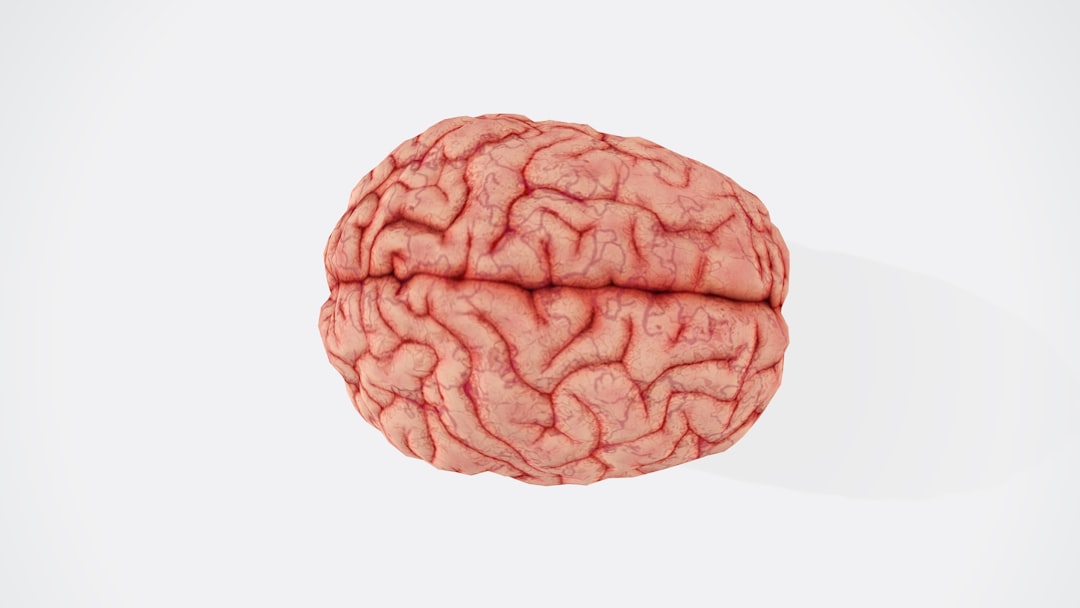
There is evidence to suggest that excessive dopamine stimulation from activities like social media, video games, and junk food can lead to desensitization of the brain’s reward system, ultimately contributing to issues like addiction, impulsivity, and difficulty in maintaining attention. This is the core concern driving the practice.
Anna Lembke, professor of psychiatry at Stanford University, contends that many human problems today stem from a world increasingly designed to overstimulate the brain’s dopamine system – and that includes artificial intelligence. Her perspective has gained significant traction in both academic and popular culture. Overindulgence in pleasurable acts may decrease sensitivity to pleasure, increasing addiction vulnerability, and dopamine fasts – abstaining from addictive behaviors – may reset the brain’s reward pathways.
What the Science Says About a True “Reset”
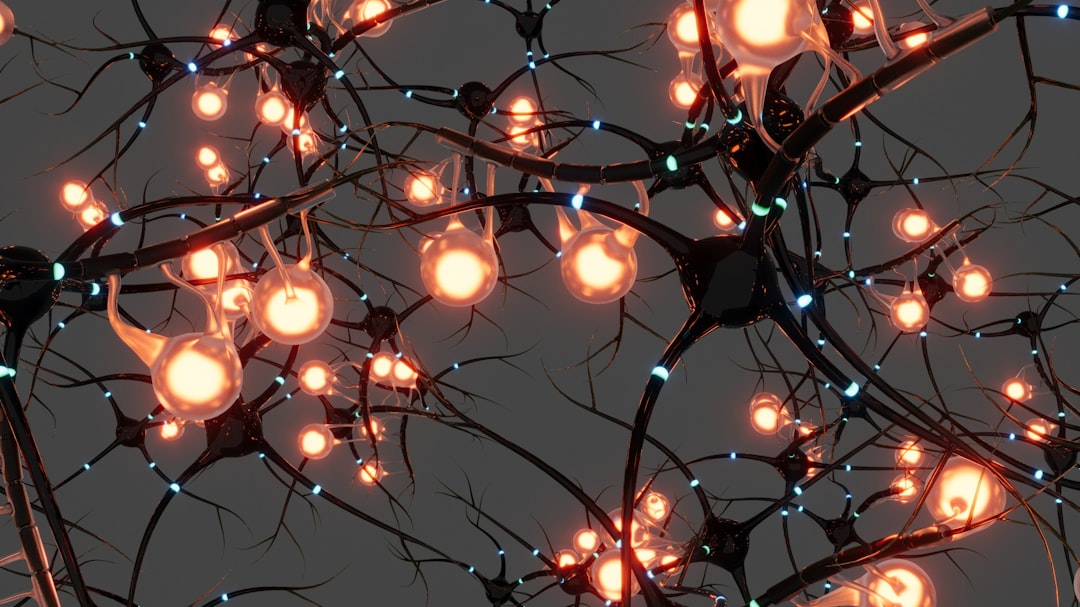
Here is where the optimism needs tempering. Ciara McCabe, Associate Professor in Neuroscience at the University of Reading, considers the idea that the brain could be “reset” by avoiding dopamine triggers for a short time to be “nonsense.” That’s a direct assessment, and it reflects a legitimate scientific concern.
Some researchers are concerned that dopamine detox is not only a dubiously effective practice and an incorrect invocation of an important neurotransmitter, but that it also has the potential to be harmful. The key issue is the word “permanent” in popular claims. Dopamine fasting is probably not going to really do anything for you in isolation. To change a habit, you need to have new learning, which takes time.
Dopamine receptors respond differently to technology use than they do to substance abuse, with no evidence that they become less sensitive to dopamine with repeated exposure, in the way they do with substance abuse. So the “addiction to screens” framing, while emotionally compelling, doesn’t map cleanly onto the neuroscience of drug dependency.
The Behavioral Reality: Why It Still Seems to Work for Many People

Many practitioners of dopamine fasting report increased mental clarity, enhanced focus, and improved mood. These subjective benefits are often attributed to the reduction in cognitive overload and the opportunity to engage in more meaningful, less stimulating activities.
The idea is that by allowing ourselves to feel lonely or bored, or to find pleasure in doing simpler and more natural activities, we will regain control over our lives and be better able to address compulsive behaviors that may be interfering with our happiness. This is CBT logic, not dopamine chemistry – and CBT has a solid evidence base. Some individuals have reported an increased ability to focus on tasks for longer periods, as well as feeling less overwhelmed and more in control of their thoughts and actions after implementing regular dopamine fasting practices.
The Rebound Risk: What Happens When You Plug Back In

One of the most honest critiques of the 24-hour fast involves what comes immediately after. While a dopamine fast may provide short-term relief, critics note that in the absence of long-term habit changes, people often relapse into old patterns. A single day of silence doesn’t rewrite behavioral conditioning accumulated over years.
A rebound effect may happen when the detox period ends, with people experiencing a strong urge to engage in the activities they previously restricted. This isn’t unique to screen use. It’s a well-documented pattern in behavioral psychology whenever restriction is used without replacement behaviors. The goal after fasting is controlled reintroduction, where the individual adopts healthy alternative behaviors with sustainable dopamine boosts, such as from exercise, social interaction, or meditation.
Boredom and the Brain’s Default Mode Network

This is where the science becomes genuinely fascinating, regardless of your position on dopamine fasting specifically. Boredom activates the brain’s default mode network, linked to creativity, planning, and self-reflection. By blocking distractions and sitting with stillness, you let your mind process, connect ideas, and recharge.
Emerging neuroscience, paired with longstanding psychological insights, suggests that rest and even boredom are not enemies of creativity but essential ingredients. Central to this understanding is the brain’s default mode network, which activates when we are not consciously focused on a task – when we are daydreaming, resting, walking without a goal, or letting our minds wander. A 2024 study published in the journal Brain by Bartoli et al. confirmed that the default mode network plays a crucial role in internally directed cognition, with high-resolution neural recordings demonstrating its active role during both spontaneous and divergent thought.
Research demonstrated that disrupting DMN function limited original or divergent responses and, thus, creativity. Preventing boredom – by constantly flooding the brain with content – may do the same thing from the other direction.
The Social Media Break Evidence: Short Detoxes With Measurable Effects
While the 24-hour dopamine fast lacks direct clinical trials, adjacent research on short social media breaks is accumulating. Participants in one study reported notably fewer anxiety symptoms, fewer symptoms of depression, and less insomnia after a one-week social media break. The study, published in JAMA Network Open in late 2025, is one of the most recent and closely watched on this topic.
Young adults who took just a one-week break from social media showed improvement in depression, anxiety, and insomnia symptoms. Researchers tracked hundreds of participants between the ages of 18 and 24 for the trial. Other recent scientific studies show that reducing social media use for one week improves mental health in young adults.
These findings don’t prove that dopamine levels changed. They suggest that behavioral patterns shifted – and that behavioral shifts have real psychological consequences.
Technology Is Designed to Keep You Hooked
Modern technology exploits something called “variable ratio reinforcement” – the same mechanism behind slot machines. Every refresh, like, or notification is unpredictable, keeping your brain hooked. This is not an accident. Social media platforms hire neuroscientists to maximize engagement. The outcome is a hijacked reward system where silence feels unbearable and slow, meaningful activities lose their appeal.
Technology use induces a dopamine response roughly on par with any normal, enjoyable experience. By contrast, heroin, cocaine, and amphetamine can cause dopamine spikes ranging far higher. The honest takeaway: apps are not heroin. The comparison is overblown. Still, when overstimulation becomes the norm, your attention span gets shorter, your tolerance for boredom decreases, and activities that used to feel rewarding start feeling painfully slow.
The Extreme Version: Where It Goes Wrong

The dopamine fast has attracted some genuinely extreme interpretations. People are adopting ever more extreme, ascetic, and unhealthy versions of this practice, based on misconceptions about how dopamine works. Some are not eating, not exercising, not listening to music, and not socializing.
Prolonged isolation and severe dietary restrictions can lead to feelings of loneliness, anxiety, and malnutrition, which can have detrimental effects on mental and physical health. The original intent was never this. Human interaction, unless it is somehow compulsive and destructive, is in the category of healthy activities that are supposed to supplant the unhealthy ones, such as surfing social media for hours each day.
A walk in nature, a conversation with a friend, a meal eaten slowly without a screen – these are not things to eliminate. They’re things to return to.
How to Use a 24-Hour Reset Sensibly and What to Expect

Dopamine detox is not about ridding ourselves of dopamine or pleasure. Instead, the “detox” focuses on reducing specific behaviors that are problematic, which differ from person to person. Practically speaking, the 24-hour version means stepping away from the specific triggers – the scrolling, the notifications, the passive consumption – not from life itself.
While research on the practice of dopamine fasting itself is scarce, the core idea of taking breaks from stimulating activities may be a new way to look at reducing stress and engaging in mindfulness. By taking a break from the things that so often distract us, you may find it easier to focus all of your attention on a project or a to-do list. Lifestyle factors matter, particularly the trifecta of exercise, sleep, and nutrition when it comes to maintaining any benefit you might gain.
Extreme fasts often backfire. Short, regular resets are more sustainable. One full day, practiced occasionally and followed by deliberate habit changes, is far more likely to produce lasting results than a dramatic week of total deprivation.
The Honest Conclusion: Reset or Reframe?

Dopamine fasting is a complex and evolving concept that requires careful consideration and mindful application. While it may offer benefits like reducing impulsivity and enhancing focus, it is essential to approach it with a balanced perspective and prioritize holistic well-being.
Since many of the activities and substances people turn to can become addictive over time, a bit of distancing from outlets such as social media, fast food, and mindless TV can have an overall positive impact on a person’s mind and lifestyle. The “permanent reset” framing in popular discourse is almost certainly overstated. It’s not clear how long the benefits last or how frequently you’d need to fast in order to see them.
What 24 hours of intentional stillness can genuinely offer is not a neurological overhaul. It’s a moment of contrast – a chance to feel the difference between a mind running on constant input and a mind with actual room to breathe. That contrast, when taken seriously, can change what you choose to return to. That may be the most realistic version of a “reset” we have.