

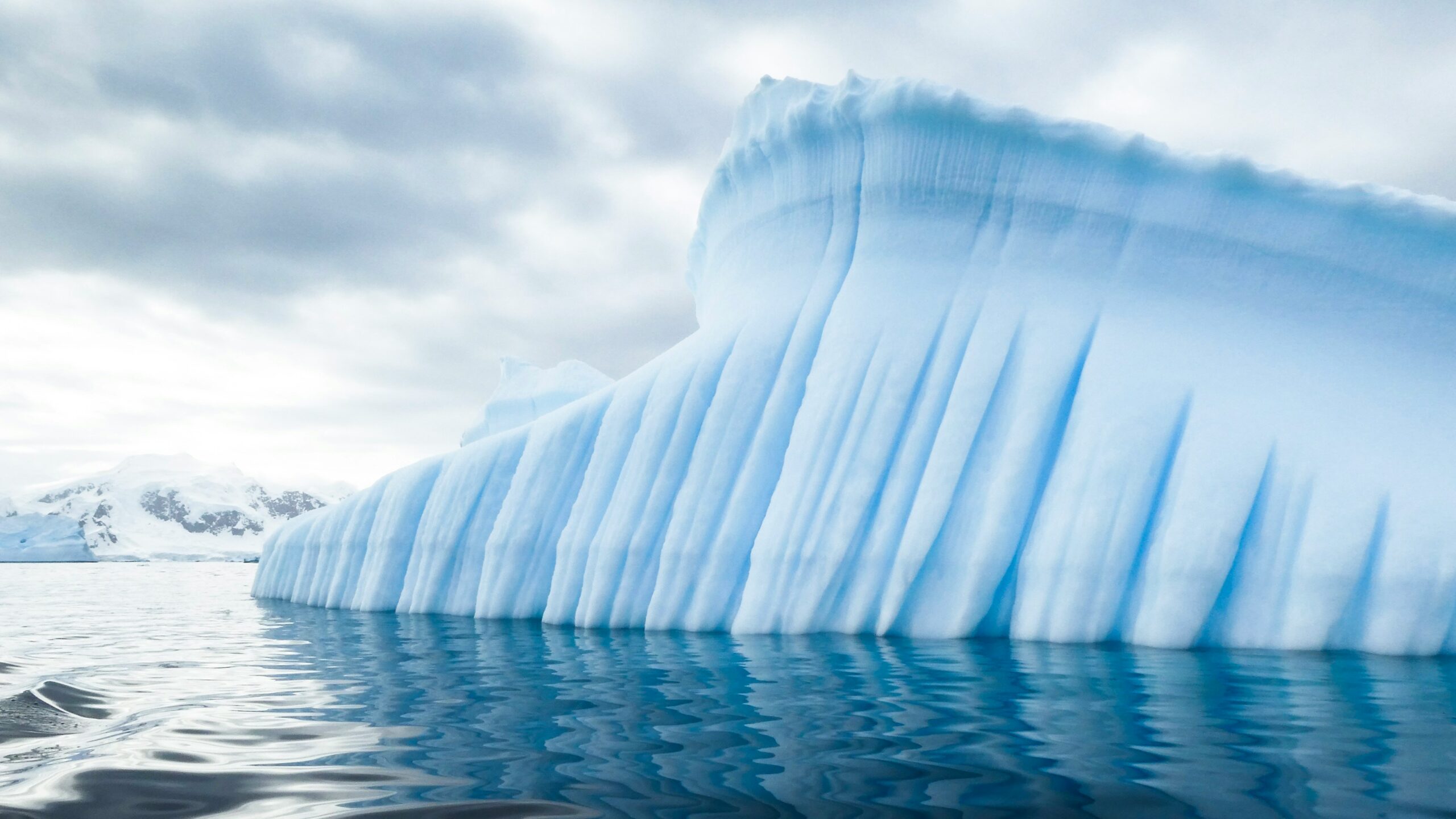
A Record-Breaking Anomaly Unfolds (Image Credits: Unsplash)
Parts of East Antarctica recorded temperatures up to 28°C above seasonal norms during the continent’s midwinter in July and August 2024. This anomaly occurred amid months of polar night, when sunlight fails to reach the ice sheet and air typically chills below minus 30°C. The warmth lingered for more than two weeks, marking one of the most intense winter heatwaves observed in the satellite record.[1]
A Record-Breaking Anomaly Unfolds
The heatwave centered on East Antarctica, particularly the Dronning Maud Land region, where regional mean surface air temperatures exceeded averages by more than 9°C for 17 straight days. Stations across the area registered striking deviations. At the Amundsen-Scott South Pole Station, July marked the warmest average since 2002, 6.3°C above normal. Vostok Station in central Antarctica saw its hottest July since 2009, surpassing norms by 6.4°C.[2]
From July 20 to 30, temperatures at the South Pole averaged minus 47.6°C, levels more typical of late summer than deep winter. Such figures highlighted the event’s persistence and scale. Scientists described it as the strongest winter heatwave in the 46-year satellite era, with a return period estimated at about one in 130 years.[3][4]
Disrupted Atmospheric Patterns Drive the Surge
A weakened Antarctic polar vortex set the stage for the unusual warmth. This ring of high-altitude winds normally isolates cold air over the continent, but distortion allowed stratospheric temperatures to climb more than 15°C in early July, followed by another rise in August. The vortex’s elongation pushed frigid air northward while opening pathways for milder conditions.[1]
A persistent high-pressure system amplified the effect, steering an atmospheric river – a narrow plume of warm, moist air from lower latitudes – deep into the interior. Clouds from this influx acted like a blanket, trapping heat near the surface. Record-low sea ice and elevated Southern Ocean temperatures further sustained the influx, creating a feedback that prolonged the event.[2]
| Station | July Anomaly | Notes |
|---|---|---|
| Amundsen-Scott South Pole | +6.3°C | Warmest July since 2002 |
| Vostok | +6.4°C | Warmest July since 2009 |
| Regional East Antarctica | Up to +28°C | Peak surface anomalies |
Climate Change’s Role in Amplifying Extremes
Researchers applied multiple attribution methods, including climate models and circulation analogs, to assess human influence. Natural variability initiated the vortex disruption, but anthropogenic warming intensified the surface response by roughly 0.7°C and doubled the event’s likelihood in today’s climate compared to pre-industrial conditions. High-pressure anomalies accounted for about half the observed warming through enhanced heat transport.[3]
Projections paint a stark picture. Under moderate emissions, such heatwaves could occur six times more often by 2100. High-emission scenarios suggest up to 26-fold increases. These findings underscore how even Antarctica’s harsh winters now bear the imprint of global warming.[1]
Key Takeaways: The 2024 event combined rare natural dynamics with human-driven changes, raising risks for ice stability.
- Heatwave intensity: Up to 28°C above average.
- Duration: Over two weeks.
- Likelihood boost: 2-3 times higher now due to climate change.
Broader Warnings for Ice and Sea Levels
Prolonged warmth poses threats to East Antarctica’s ice shelves, potentially accelerating glacier flow and contributing to sea level rise. Low sea ice exacerbated the episode, absorbing more heat and setting up future vulnerabilities. While isolated spikes have occurred before, this midwinter persistence signals shifting baselines for the continent’s extremes.[2]
Scientists view the heatwave as a preview of intensifying polar disruptions. As emissions continue, similar disturbances may test the resilience of Antarctica’s vast ice reserves. Monitoring these patterns remains crucial for global climate strategies.