


The Scale of Trauma We’re Actually Talking About

Before getting to transformation, it’s worth being honest about the weight. An estimated 70% of people worldwide will experience a potentially traumatic event in their lifetime. That’s not a rare edge case. It’s the baseline of human experience.
According to recent estimates, approximately 320 million people, or roughly 3.9% of the world’s population, have had PTSD at some point in their lifetime. In the United States specifically, approximately 6 out of every 100 adults will have PTSD in their lifetime.
It is estimated that roughly one quarter of children and adolescents around the world will experience a traumatic event before reaching adulthood. These are not distant abstractions. The people we work beside, live with, and see in mirrors carry this.
What Trauma Actually Does to the Brain
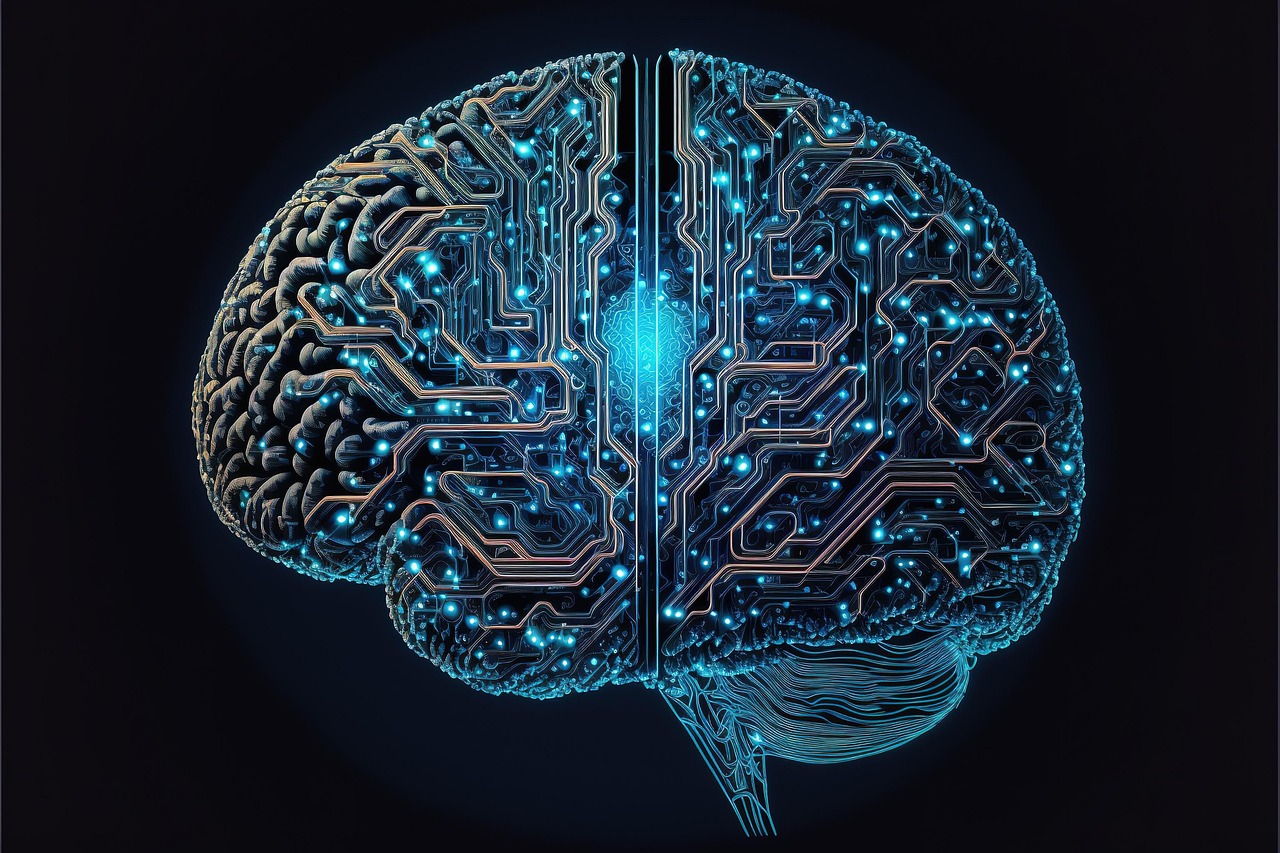
When experiencing trauma, the “thinking brain” shuts down and the mid-brain takes over. This means the amygdala is alerted and signals the sympathetic nervous system to release chemicals to the limbic system, engaging either a flight, fight, or freeze response.
Trauma can profoundly affect the sense of self, where both cognitive and somatic disturbances to the sense of self are reported clinically by individuals with posttraumatic stress disorder. This disruption registers in a specific neural network. Self-related thoughts and experiences are represented neurobiologically by a large-scale cortical network along the brain’s midline referred to as the default mode network. The DMN is also active during self-referential and autobiographical memory processing, processes which together are thought to provide the foundation for a stable sense of self.
Research findings support previous research suggesting that trauma may dysregulate DMN functioning, including reductions in self-referential effect, emotion recognition, image vividness, and increased mind-wandering. That disruption, as it turns out, isn’t only a wound. It’s also a kind of opening.
The Same Network That Holds Pain Also Generates Ideas
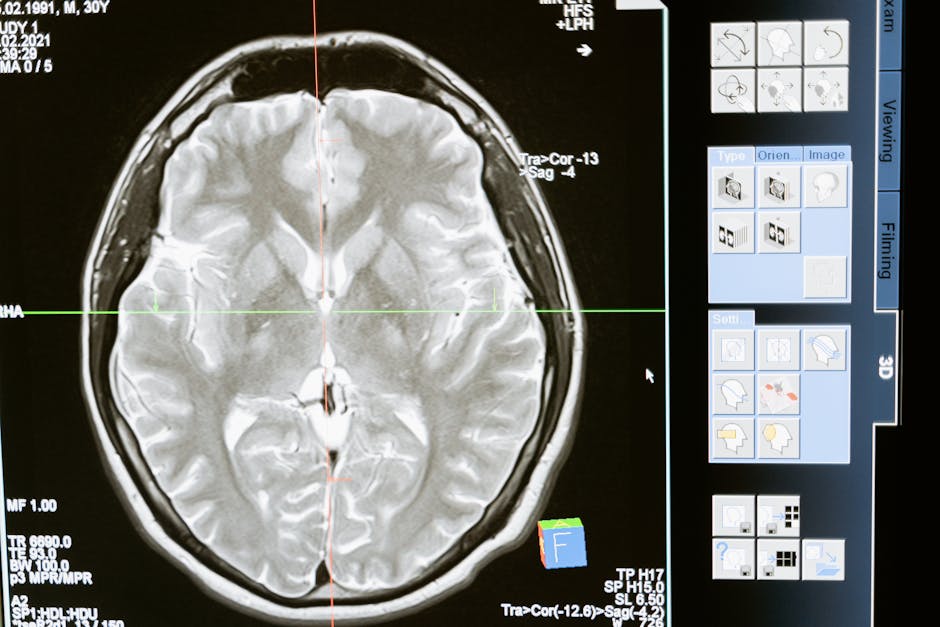
Here’s the part that changes the conversation. The creative imagination hypothesis suggests that the DMN is involved in facilitating creativity and generating original ideas. According to this hypothesis, when a person is at rest or involved in tasks that don’t require external attention, the DMN becomes active, allowing the mind to wander and explore different mental scenarios.
DMN activity during these periods of creative imagination can promote the association of seemingly disconnected concepts, leading to insights and innovative solutions. So the same architecture that trauma disrupts is the system the brain uses to imagine, connect, and create.
More recent neuroscientific evidence further supports that neuroplasticity is a dynamic mechanism that can enable long-term, irreversible neurological changes through habituated engagement in creative arts making. Advances in neuroimaging have begun to uncover mechanisms that explain how the creative arts can exert a profound influence on mind and brain function.
Trauma Can Actually Predict Creative Output

A significant study published on ScienceDirect examined the relationship between trauma history and creativity across multiple dimensions. Findings from the path analysis model reveal that exposure to trauma can positively predict the four facets of creativity: fluency, originality, engagement in creative activities, and creative accomplishments.
This doesn’t mean suffering is a prerequisite for art, and the researchers are careful about that. In numerous instances, trauma does not inherently correlate with creativity. Some research even suggests that traumatic experiences may not necessarily be associated with creativity, and could in fact be linked to negative impacts on it. Studies have shown that individuals with PTSD may suffer from impaired executive function and cognitive performance, and since creativity is influenced by cognitive abilities, such impairments could negatively impact creative output.
Context and individual factors matter enormously. The relationship isn’t automatic or guaranteed. What researchers are identifying are the conditions under which that transmutation becomes possible.
Resilience and Psychological Richness as the Bridge
Trait resilience refers to an individual’s capacity to effectively navigate traumatic events, threatening situations, or stressful circumstances, often described as a “rebound ability.” This trait helps individuals actively manage traumatic experiences, facilitating recovery and potentially enhancing their pre-trauma psychological state across cognitive processes, coping behaviors, and emotional responses.
Another key variable is psychological richness. Psychological richness refers to a life abundant with diverse experiences and shifting perspectives. Psychologists have argued that psychological richness is a third dimension of a good life, alongside happiness and meaning, yet it is often underappreciated.
Trait resilience is positively related to both fluency and originality in creative output, and it serves as a moderator in the relationship between trauma exposure and creative accomplishments and activities. Psychological richness acts as a mediator in the effects of trauma exposure on originality, creative accomplishments, and the frequency of creative activities. Resilience doesn’t erase what happened. It creates the conditions for forward motion.
Performing Artists With More Trauma Show Stronger Creative Experiences

One of the more striking findings in this field comes from a study of professional performers. This IRB-approved study examined 234 professional performers including dancers, opera singers, actors, directors, and musicians. Self-report measurements examined adverse childhood experiences, creativity, dispositional flow, trait anxiety, internalized shame, and traumatic events.
Performing artists with four or more adverse childhood experiences had significantly stronger creative experiences related to distinct creative processing, absorption, and a transformational sense of self and the world. That word “absorption” matters. It describes the capacity to be fully inside an experience.
The study suggests that for some people who have practiced living through emotional extremity, the threshold for entering deep creative states may actually be lower. The emotional pathways are more traveled. They know how to go there.
Deliberate Reflection as the Mechanism of Transformation

The shift from passive suffering to active creativity usually requires one specific cognitive move. Deliberate rumination is an intentional effort to reflect, seek meaning in the traumatic event, explore its implications and benefits, and reframe one’s core beliefs, which is critical for facilitating post-traumatic growth. It is a cognitive process that facilitates meaning-making from traumatic events by integrating new information, altering perceptions of self and others, and processing emotions from the event.
This is different from intrusive, cycling rumination, which keeps pain active without resolution. Self-reflective rumination was moderately associated with enhanced creativity, with effect sizes across key components such as idea generation and originality among college students.
The themes that emerged from research on this topic included: creating provided escape and a coping mechanism; trauma enhanced creativity through awareness, empathy, and perspective; resiliency was a byproduct of adversity; and artistic inspiration came from everyday life. The shift from victim to witness to maker is the essential movement.
Emotional Creativity as a Measurable Skill

Emotional intelligence centers on how individuals reason through emotions, while emotional creativity is intertwined with the depth and intricacy of an individual’s emotional experiences. A person with high emotional creativity is inclined to experience a broader spectrum of complex emotions.
Individuals endowed with elevated emotional creativity exhibit a heightened capacity to sensitively comprehend the emotions and behaviors of others. This is one reason trauma survivors who have done meaningful processing often become exceptionally perceptive artists, writers, or caregivers. They’ve had to develop emotional granularity that many people never encounter.
In numerous instances, intensely sorrowful grief responses have the potential to transform into more constructive and positive reactions over time. That transformation doesn’t happen by ignoring what happened. It happens by learning to hold it differently.
Creative Arts Interventions: What the Clinical Evidence Shows
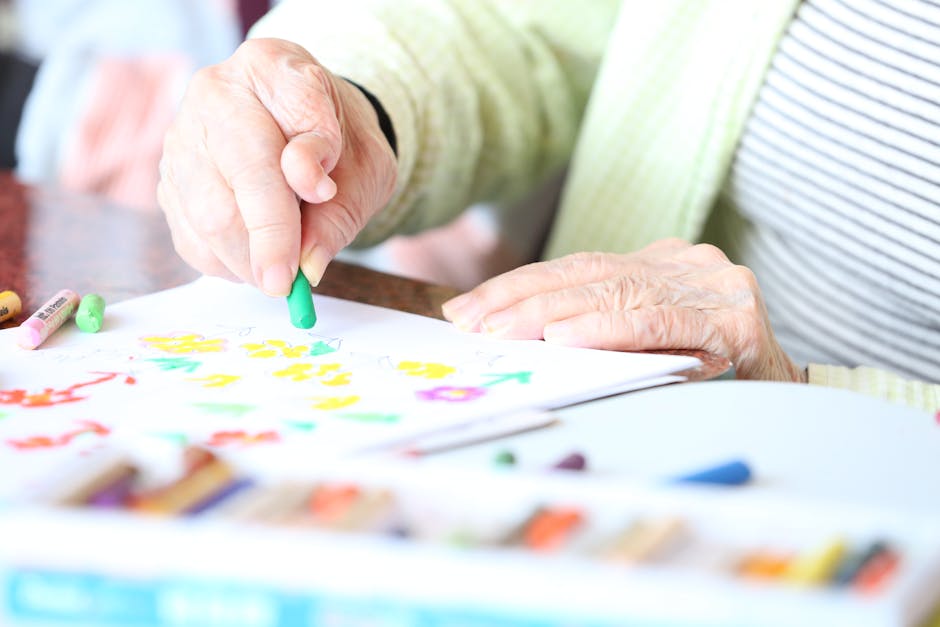
Post-traumatic stress disorder is increasingly prevalent among young people, yet current evidence-based treatments show variable outcomes. Creative arts-based interventions, including music, dance, visual art, and drama, are gaining attention as complementary approaches to trauma care.
A 2025 review published in BMC Psychology examined creative arts therapy specifically as an intervention for PTSD in adults. In clinical practice, creative arts therapy is frequently utilized for the treatment of traumatized adults, with reports of favorable outcomes.
A thematic synthesis of studies from 2020 to 2024 identified five key themes from art-based healing: emotional processing and expression through symbolic creation, adaptive communication and nonverbal connection, communal support and collective meaning-making, empowerment and regaining agency, and transformation of trauma into post-traumatic growth. Each of those themes maps directly onto what researchers mean by emotional alchemy.
The Flow State: Where Creativity and Healing Converge
There’s a particular brain state worth knowing about. Recent neuroimaging studies suggest that flow involves dynamic interactions among large-scale brain networks, particularly the default mode network and the executive control network.
High-flow improvisations in jazz musicians were associated with transient hypofrontality, confirming that frontal executive regions were less active during intense flow. This reduction in frontal activity during flow is thought to suppress self-critical thoughts and deliberation, thereby allowing the person to fully immerse in the task at hand.
For people carrying trauma, this matters. The inner critic that replays painful memories loses its grip during genuine creative immersion. Focusing on artwork creation drives attention toward mindfulness, allowing people to completely focus on what they are doing in the current moment. Being mindful through art-making offers special support to those healing from trauma because it creates a non-critical emotional connection with their feelings. The “water sign” shift, that moment when resistance dissolves into movement, happens most naturally in this state.
Conclusion
The science doesn’t promise that pain automatically becomes art. It doesn’t. What research consistently points toward is that emotional material, when moved through rather than around, carries generative potential that frozen pain does not. The brain that has been forced to build detours around trauma develops new connective tissue. Sometimes that tissue becomes the architecture of something remarkable.
Whether through structured art therapy, expressive writing, music, movement, or quiet solo creative practice, the act of making something from difficult experience is not just symbolic. It’s neurological. It’s measurable. Creativity can be utilized as a method of intervention for victims of traumatic events. These interventions come in several forms to help individuals actively process their emotions through preferred activities that allow all ages, socioeconomic groups, and levels of intelligence to express themselves.
The water sign metaphor holds up, not because it’s mystical, but because it describes something real about fluidity and resistance. Trauma that flows eventually finds its own shape. That shape, more often than research once expected, turns out to be something worth making.