

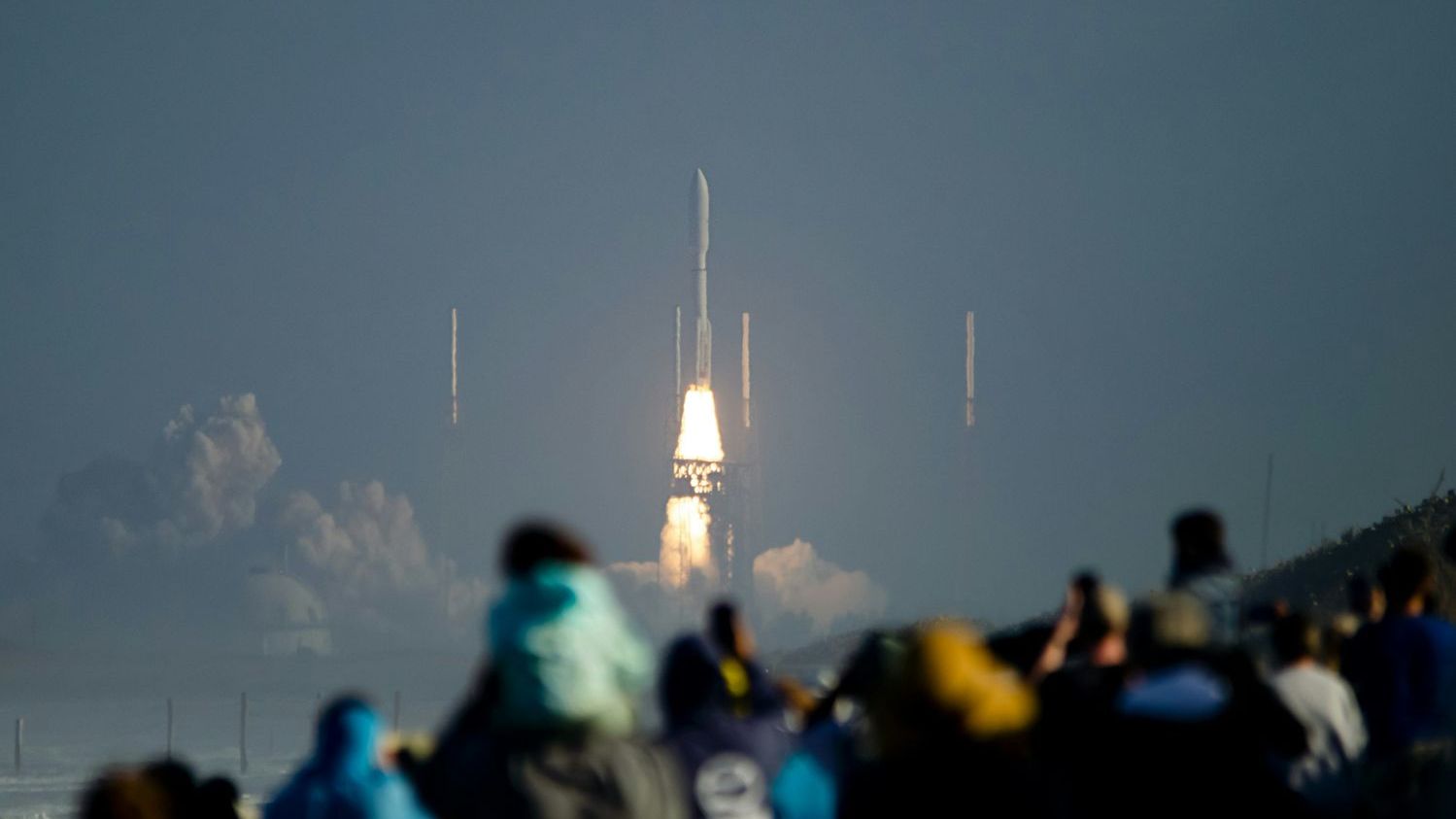
Falcon rocket will hit the moon on August 5 – Image for illustrative purposes only (Image credits: nerdydigest.com)
A discarded Falcon 9 rocket upper stage, launched more than a year ago, drifts silently toward an inevitable collision with the moon. Astronomer Bill Gray has pinpointed the event for early August 5, 2026, underscoring the growing issue of unmanaged space hardware in distant orbits. This high-speed encounter highlights both the precision of amateur tracking efforts and the challenges of keeping lunar real estate pristine.
Tracking a Rogue Rocket Body
Bill Gray, a dedicated observer of near-Earth objects and artificial satellites, first identified the Falcon 9 upper stage’s trajectory months ago. The rocket had boosted two lunar missions – Blue Ghost and Hakuto-R – on January 15, 2025, before settling into a high orbit. Surveys meant for asteroids inadvertently captured this piece of hardware, mistaking it at times for a natural rock.
Gray’s software helps distinguish space junk from genuine threats, a task he has pursued for decades. He noted that asteroid hunters prefer to avoid such distractions, as they divert time from real hazards. Despite subtle perturbations from sunlight pressure causing minor path shifts, Gray confirmed the lunar intercept by late 2025. His work fills gaps left by military trackers focused on lower orbits.
Precise Path to Impact
The upper stage will strike at 1:44 a.m. CDT (6:44 UTC) on August 5, 2026, hurtling at 5,400 mph, or roughly 2.43 kilometers per second. Without an atmosphere to brake its descent, the rocket will retain full velocity upon arrival. Gray places the crash site near the moon’s limb, adjacent to Einstein crater.
This location sits at the moon’s edge as seen from Earth, complicating observations. The moon will appear near its last quarter phase, rising in the east for eastern U.S. and Canadian viewers by impact time. Saturn will linger close by, adding a celestial companion to the scene. Those farther west should consult tools like Stellarium to check local visibility.
Visibility Challenges from Earth
Observers might glimpse the moon and nearby Saturn, but spotting the actual crash proves unlikely. The event’s scale – a rocket body slamming into distant regolith – falls below the threshold for naked-eye or modest telescope detection. Gray emphasized that no immediate risks exist, though the incident reveals lapses in space junk disposal practices.
Post-impact scrutiny could come from NASA’s Lunar Reconnaissance Orbiter, which has imaged prior strikes. Such documentation would reveal any new crater formed, offering clues about the rocket’s final mark. For now, the focus remains on prediction rather than spectacle, a reminder of astronomy’s predictive power.
Lessons from the 2022 Lunar Strike
A similar event unfolded on March 4, 2022, when another unidentified rocket body – later linked to space junk – carved a double crater near Hertzsprung, measuring about 100 feet across at its widest. The Lunar Reconnaissance Orbiter captured the aftermath, confirming Gray’s earlier forecast despite initial origin debates. That scar persists as evidence of human artifacts scarring the lunar surface.
Gray reflected on the infrequency of such hits, expressing mild surprise that only two confirmed cases have occurred amid rising high-orbit clutter. He has monitored potential lunar impactors for two decades, as launch cadences increased. This Falcon 9 case follows that pattern, propelled by missions venturing beyond routine Earth orbits. Unlike low-altitude boosters that burn up on reentry, these outliers roam freely until gravity claims them.
High-altitude space junk like this Falcon 9 stage evades routine oversight, orbiting at lunar distances and mimicking asteroids in surveys. Gray’s independent efforts bridge that void, ensuring predictions reach the public. As commercial launches proliferate, incidents like the August 5 crash may grow more common, prompting calls for better end-of-life planning. The moon, once pristine, now bears the faint imprints of our expanding reach into space.