
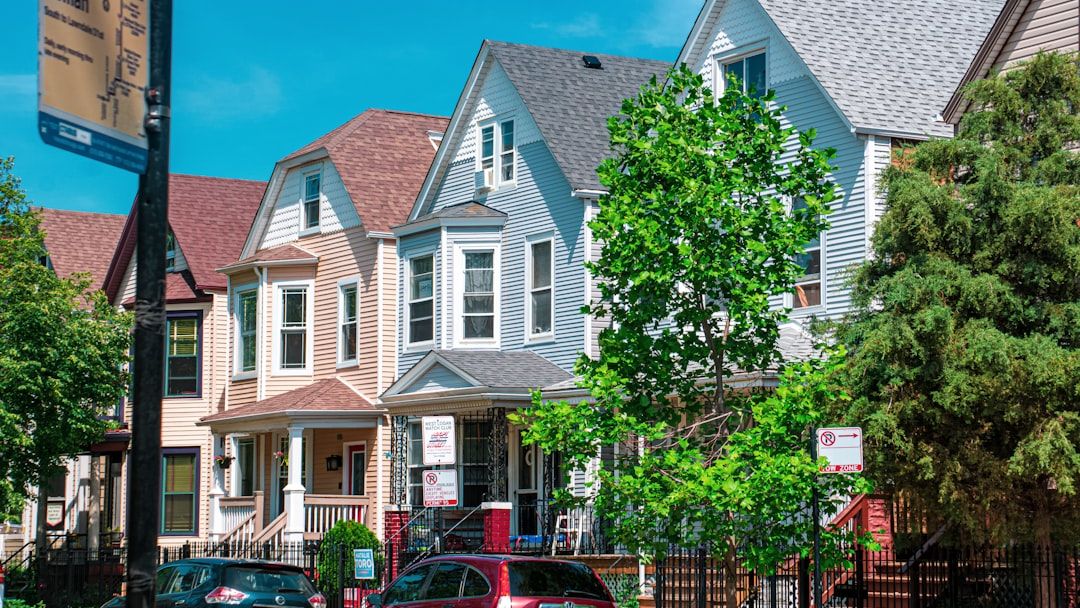

Illinois: High Taxes, Persistent Outmigration, and a Market Under Pressure
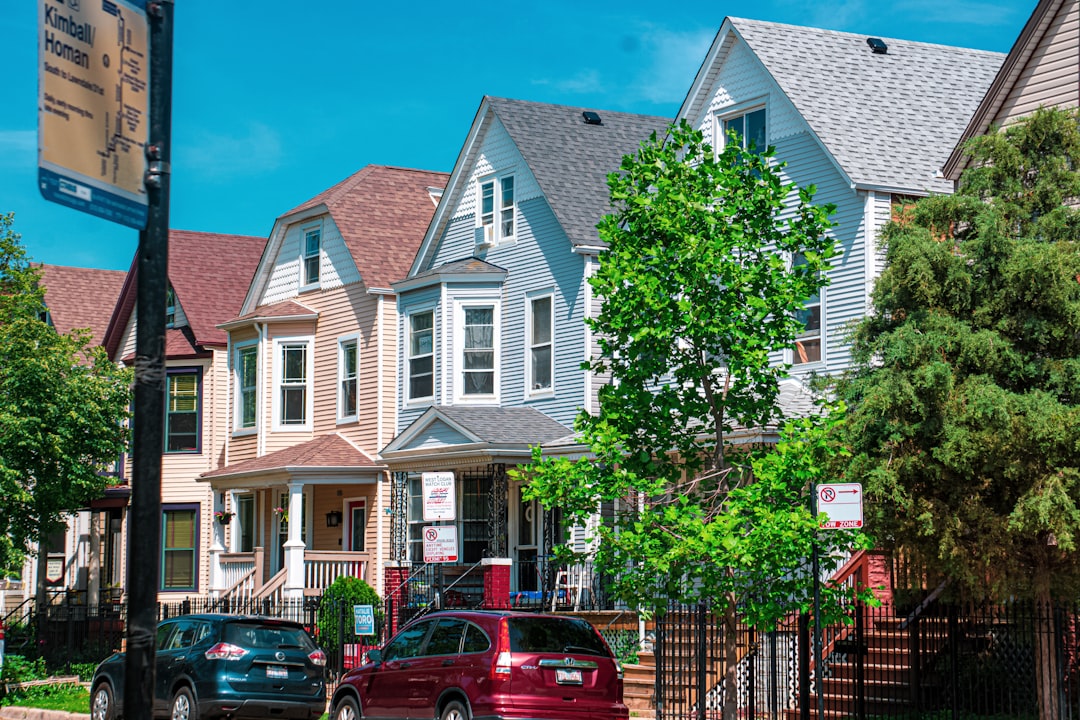
Illinois carries one of the heaviest property tax burdens in the entire country. According to Rocket Mortgage data, the average property tax rate in Illinois sits at 2.08 percent, making it the second highest in the nation behind New Jersey, with an average annual property tax bill of around $9,006. That financial weight doesn’t disappear just because home prices inch upward – it actually acts as a constant deterrent to new buyers, especially those entering the market for the first time.
The state has lost 420,678 residents to domestic outmigration since 2020, according to Census estimates. Illinois lost more than 40,000 residents to other states in 2025 alone, though the state’s overall population grew marginally because of nearly 45,000 international migrants and roughly 11,000 more births than deaths. That distinction matters for the housing market: international arrivals tend to concentrate in specific urban zones, leaving large swaths of the state’s mid-sized cities and rural counties without the buyer pool they need.
Chicago-area counties bore the largest domestic migration losses, with Cook County losing 31,114 residents to other states, DuPage County losing 5,854, and Lake County losing 3,176. The problem radiates outward from there. A general trend toward declining home values is emerging across many Illinois regions by the end of the current forecast period, with major hubs like Chicago and Champaign projected to experience small decreases, and even larger projected drops in cities like Springfield, Galesburg, Jacksonville, and Mount Vernon – suggesting that while the state average might appear stable, many local Illinois housing markets could face real challenges.
The most significant structural headwind facing Illinois is its unfunded pension liability, which is widely regarded by credit agencies as the most severe in the nation, with the state’s five primary pension systems carrying billions in unfunded liabilities and creating a permanent state of fiscal uncertainty. Illinois is surrounded by states with lower property taxes, a driving factor behind the state’s continued domestic population loss. Until that fiscal architecture changes, buyers weighing Illinois against neighboring states like Indiana or Wisconsin will keep running the same math – and frequently deciding to cross the border instead.
West Virginia: A Decade of Population Decline and Economic Fragility

West Virginia’s housing market challenge is perhaps the most structurally deep of the three. Between 2015 and 2025, West Virginia’s population declined by 4.3 percent, while the U.S. population grew by 6.2 percent over the same period. West Virginia ranks 50th among all states in population growth over that decade. When nearly every other state is gaining ground and one is consistently losing it, the downstream effect on housing demand is severe and lasting.
Comparing the 2024 population estimate with the 2020 census, West Virginia saw the largest percentage decline in population among all 50 states – just over 1.2 percent. The state’s population declined by 1,300 between 2024 and 2025, one of just five states to lose population during that period. Fewer people means fewer buyers, fewer renters, and fewer reasons for developers to invest in new construction – a cycle that is notoriously hard to break.
The West Virginia housing market forecast is not uniform – while some areas show potential for positive growth, others indicate a possible decline or stagnation. Charleston, Morgantown, Clarksburg, Parkersburg, and Fairmont are among the areas projecting either slight declines or stagnation in home prices, which doesn’t necessarily signal a crash, but rather a slowing of the rapid growth seen in previous years. That nuance matters. Not every county is in freefall, but the trend across the bulk of the state tilts toward flat performance.
Several factors contribute to this trajectory, including interest rate hikes, economic uncertainty, and local market dynamics. The state’s long dependence on coal mining creates structural economic fragility that is difficult to unwind in the short term, leaving younger workers with limited local options and pushing them toward other states. A complete housing market crash in West Virginia is unlikely, but a period of slower price growth or even slight declines in certain areas appears more probable. For anyone holding property there with an eye toward 2030, that is not a particularly encouraging baseline.
Mississippi: Slow Sales, Thin Job Growth, and a Buyer Pool That Won’t Grow Fast Enough

Mississippi presents a different flavor of stagnation. It isn’t a state experiencing a dramatic collapse, but rather one where the market has slipped into a slow, grinding pace that is difficult to break without a meaningful shift in economic fundamentals. Mississippi’s housing market continues to show one of the slowest absorption rates in the nation, with homes sitting on the market well above the U.S. median. The state ties with Louisiana, Hawaii, and Florida for the longest days on market, with HW Data showing Mississippi’s median days on market for single-family homes at 91 days, compared with a national median of 70 days.
Mississippi’s housing market showed a decrease in home sales as of September 2025, with a drop of 16.5 percent year over year. That is a significant contraction, and it points to something more than just seasonal softness. While Mississippi has historically posted longer market timelines, 2025 data shows the divide widening, with homes now taking three weeks longer to sell than the U.S. median, pointing to extended absorption periods and shifting leverage toward buyers.
In regions where job growth is robust, demand for housing tends to remain steady. Conversely, areas facing economic stagnation may see an oversupply of properties as fewer jobs lead individuals to hesitate on major investments like buying a home. Mississippi’s job market remains thin in much of the state outside of select metro areas. Cities like Indianola, in the Mississippi Delta, struggle with limited economic diversification and a shrinking population – conditions that already pointed toward a double-digit decline in home values in Zillow forecast data.
As of 2025, the median home price in Mississippi climbed to $253,000, marking only a 2.6 percent increase year over year. That is a paper gain, but when you factor in inflation and carrying costs, the real return for property holders is effectively flat. Despite low supply and relatively high demand, the pace of sales has slowed, possibly because rising prices are affecting affordability in a state where incomes have historically lagged the national average. It is a particularly stubborn bind – prices aren’t collapsing, but they aren’t genuinely growing either, and the buyer base isn’t expanding quickly enough to change that dynamic before 2030.
What Ties These States Together

At first glance, Illinois, West Virginia, and Mississippi seem like an unlikely group. They differ in geography, culture, and economic history. What they share, though, is a convergence of slow or negative population growth, limited job diversification, and elevated carrying costs that make property ownership less attractive to the buyers most likely to drive demand. Home prices may fall in numerous markets where conditions are shifting more toward buyers, while markets already showing structural weaknesses face the prospect of flat or declining values.
Housing affordability as measured by the National Association of Realtors’ affordability index was still 35 percent below its pre-COVID level as recently as late 2025 – and that’s a national figure. In states where wages have grown more slowly and property taxes or carrying costs are higher, affordability conditions are even more strained. The most critical factor for housing markets remains mortgage rates: if they stay relatively high compared with the period from early 2009 through mid-2022, transactions will remain limited to changes in jobs, finances, or household composition. In states without strong job growth or significant in-migration, those conditions rarely align in a way that sustains broad price appreciation.
The term “dead zone” is deliberate but not dramatic. These markets aren’t crashing. They’re simply stuck – held in place by forces that are slow to reverse and unlikely to flip before the end of the decade. For homebuyers who genuinely want to live in these states, there are still deals to be made. For investors expecting meaningful equity gains by 2030, the evidence currently points in a different direction. Markets reward population growth, job creation, and demographic momentum. Right now, these three states are running short on all three.