
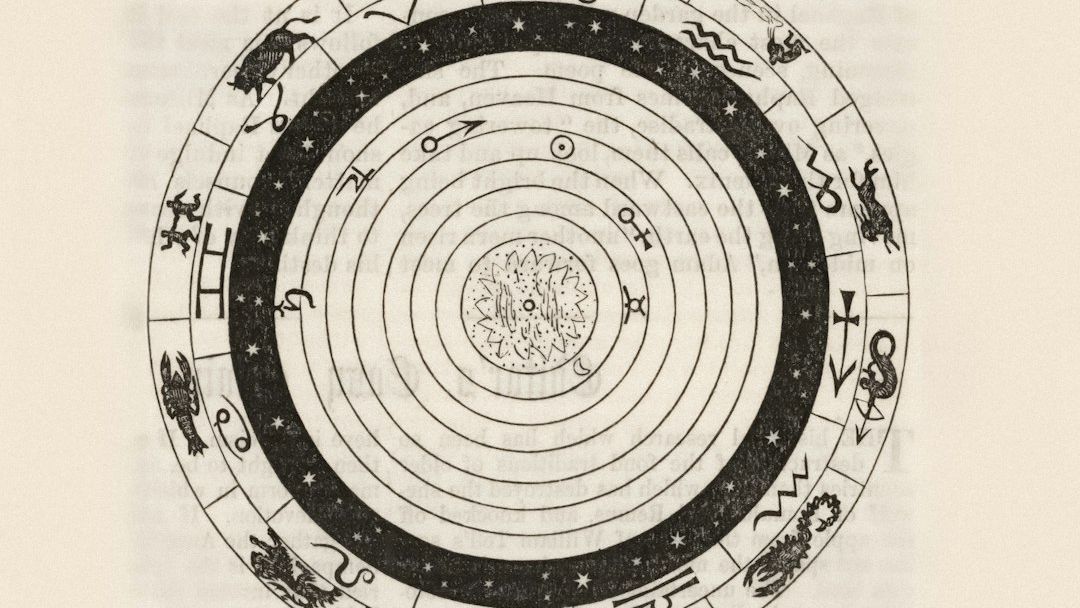

Astrology has always had a strange gravity to it. Even people who quietly roll their eyes at horoscopes still know their sign, still check a forecast when they’re stressed, and still find themselves nodding along when the description fits. That pull is real, even if its explanation has more to do with psychology than planetary orbits.
The so-called “Mars-Saturn Wall” is a popular astrological concept suggesting that certain signs are approaching a period of friction, slowdown, and frustrated momentum. As a symbolic framework, it maps onto something deeply familiar: the experience of hitting an invisible wall in work, relationships, or personal direction. Whether you engage with astrology as belief, entertainment, or just a useful mirror, the underlying themes are worth taking seriously.
Why People Reach for Astrology When Life Gets Hard
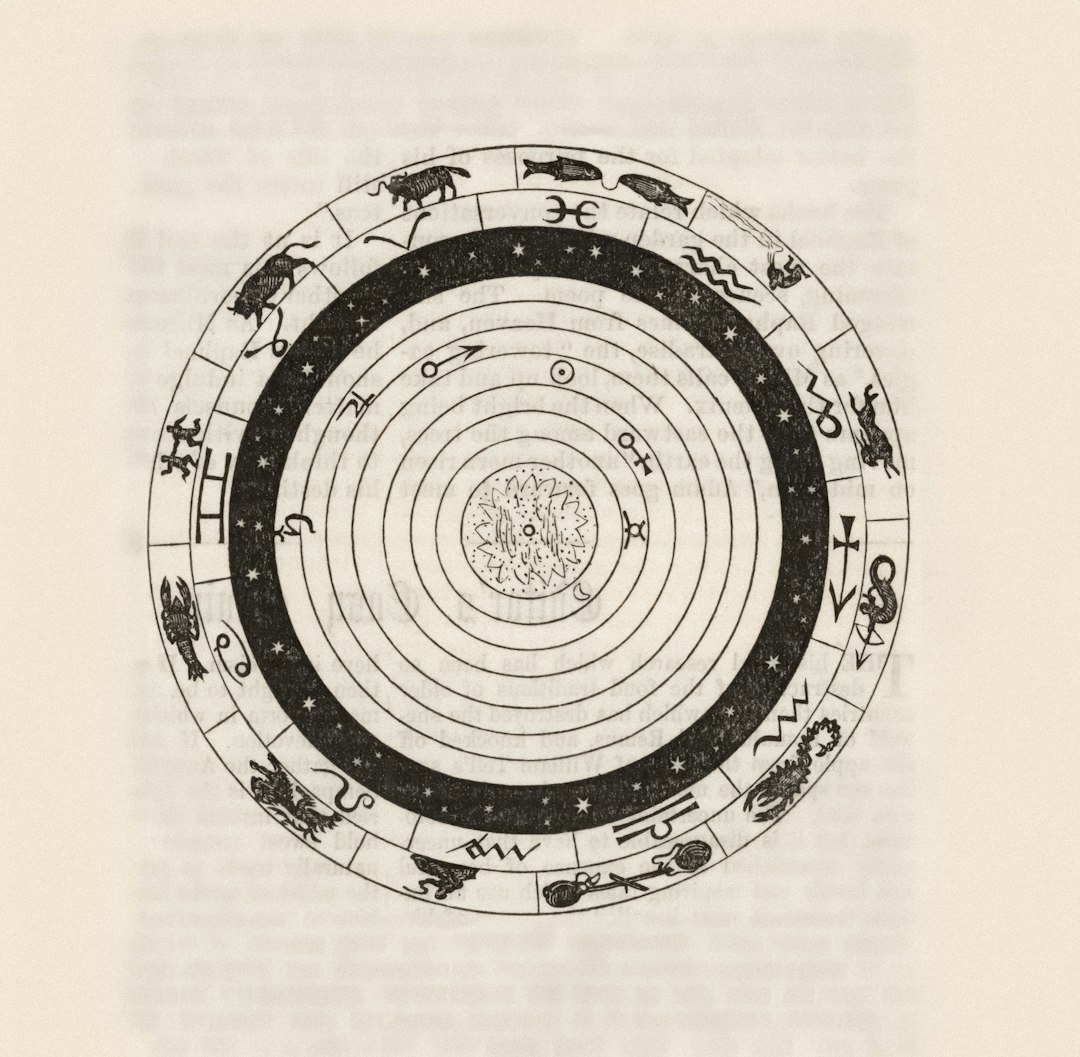
There’s a reason astrological content spikes during periods of collective stress. According to a Harris Poll survey of over 2,000 U.S. adults, roughly 61% agree that astrology provides comfort in uncertain times by serving as a reassuring presence for those seeking guidance. That number reflects something genuine. When external circumstances feel chaotic or unpredictable, people reach for systems that impose structure on the noise.
Faced with a challenging job market, unsustainable student loan debt, a severe housing crisis, and rising political tensions, anxiety and depression have become increasingly prevalent among young adults, with many turning to astrology to cope with stressors, with roughly 80% admitting they believe in it at least some of the time. That’s not fringe behavior. That’s a coping mechanism operating at scale.
The psychic services industry, which encompasses various specialties such as astrology, palm-reading, and fortune-telling, generated an estimated 2.3 billion dollars in revenue in 2024. Clearly, the desire for celestial guidance isn’t fading. Yet understanding why we find it convincing is itself a useful tool for navigating the moments when we feel stuck.
The Psychology Behind “Hitting a Wall”

The concept of hitting a wall, regardless of whether you attribute it to Mars or Saturn, maps directly onto well-documented psychological states. Decision fatigue is a state of mental overload that can impede a person’s ability to continue making decisions, essentially meaning that after making many decisions, your ability to make more decisions over the course of a day becomes worse. It’s not weakness. It’s the predictable depletion of a finite cognitive resource.
The psychological frameworks of cognitive load and ego depletion illuminate how our finite mental resources are progressively consumed, leading to a demonstrable decline in self-control and decision quality, with consequences that manifest as reduced productivity, compromised ethical conduct, and heightened stress and burnout. This is the wall. It’s real, it’s measurable, and it doesn’t require planetary alignment to arrive.
Decision fatigue exacerbates feelings of stress, anxiety, and irritability, which can spill over into interpersonal conflicts within teams, and over time this cumulative cognitive burden significantly elevates the risk of burnout, characterized by emotional exhaustion, cynicism, and a reduced sense of personal accomplishment. The astrological language of a “Saturn slowdown” or “Mars friction” may be symbolic, but what it describes in experiential terms is this exact pattern of diminished motivation and forward momentum.
The Barnum Effect and Why Your Sign Always Fits
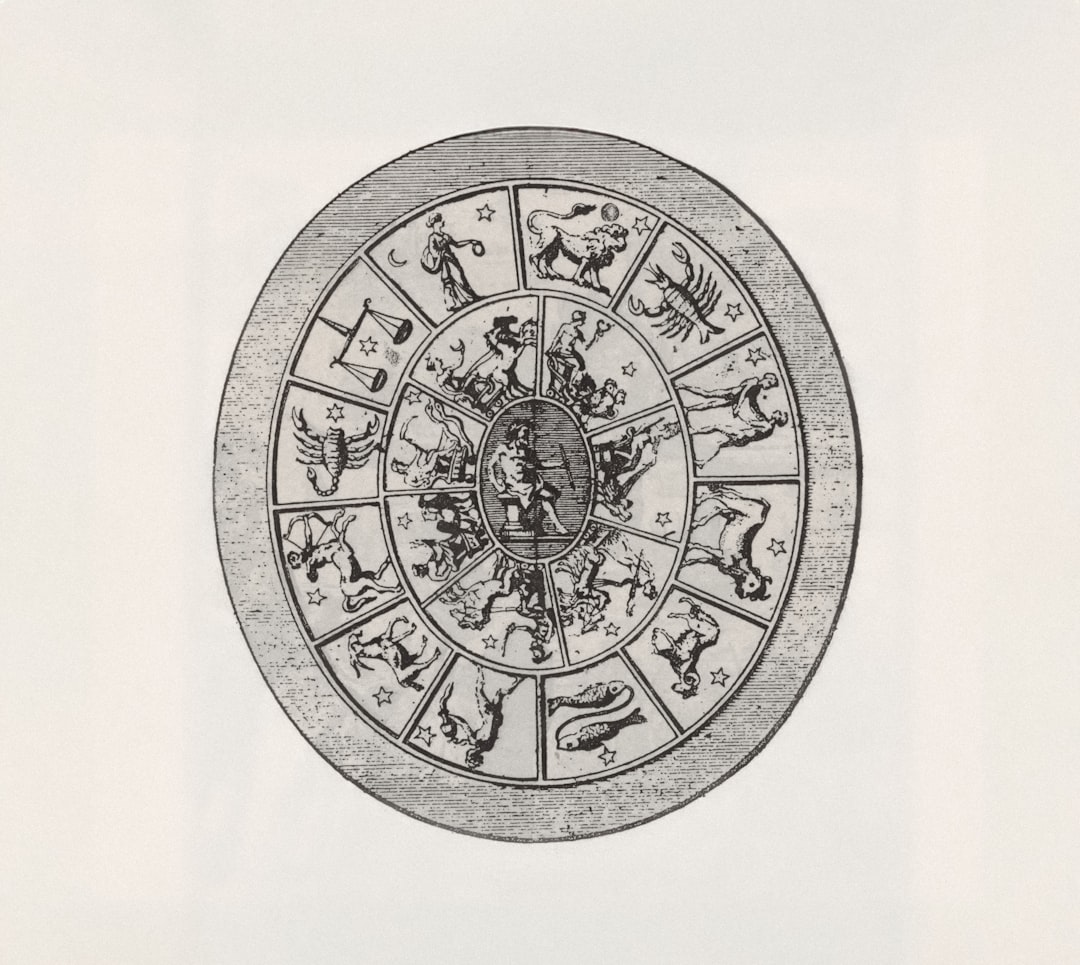
One of the more honest things you can know about astrology is how the Barnum effect works. The Barnum effect is a well-documented psychological phenomenon whereby individuals give high accuracy ratings to descriptions of their personality that supposedly are tailored specifically to them, yet which are in fact vague and general enough to apply to a broad range of people, with these general characterizations perceived as personally true even though the statements could apply to almost anyone.
The Barnum effect, also known as the Forer effect, is a psychological phenomenon where individuals accept broad, vague generalizations as personally meaningful and accurate, and this tendency is particularly pronounced when the statements are positive and come from someone perceived as an authority figure. This is why reading that your sign is “about to hit resistance” feels accurate. Life almost always involves some form of resistance, so the description lands regardless of when or how it was written.
Astrology, aura reading, fortune telling, and some personality tests all exploit the Barnum effect to convince people that generated statements are personal to them, because the statements are so vague that we interpret our own meaning and sometimes feel in awe of their accuracy. Knowing this doesn’t make the experience of a “cosmic wall” less useful as a prompt for self-examination. It just means the prompt is psychological, not astronomical.
How to Actually Pivot When You’re Stuck

The good news is that psychology offers concrete tools for the moments when momentum stalls, whether or not you frame them as Saturn returns. Cognitive restructuring has two core goals: a coping goal, in which individuals learn to cope more effectively with a stressful situation using coping self-statements, and a restructuring goal, in which individuals change their beliefs about events so that formerly stressful situations will no longer be stressful. This is precisely the kind of pivot that astrological language often gestures toward, without providing the actual mechanism.
A meta-analysis on coping in workers found that more problem-focused coping was related to less burnout symptoms, and findings confirm that problem-focused coping and positive cognitive restructuring were related to less adverse outcomes in workers. In plain terms, confronting the actual problem, rather than waiting for the stars to shift, is what moves the needle. It’s also worth noting what this pivot doesn’t require: a new moon, a planetary transit, or waiting until Mercury is no longer retrograde.
Setting deadlines to space out decisions, creating micro-deadlines for bigger projects so you aren’t forced to make too many big choices at once, is a practical strategy, since research shows that the best time to make decisions is in the morning when we are most accurate and thoughtful, and we tend to hit a plateau in the afternoon before decisions become more impulsive by evening. The pivot, in other words, is largely about timing, structure, and cognitive management rather than cosmic permission. That’s a far more empowering frame than waiting for a wall to lift on its own.
The Mars-Saturn Wall, as a concept, succeeds because it gives language to something real: those stretches of life where effort seems to produce friction instead of progress, where clarity feels just out of reach, and where the ordinary tools of willpower and routine stop working as expected. Whether you find that language in astrology or behavioral science, the more important question is what you do with the recognition. Symbolic frameworks can be valuable starting points, as long as they lead toward action rather than away from it.