

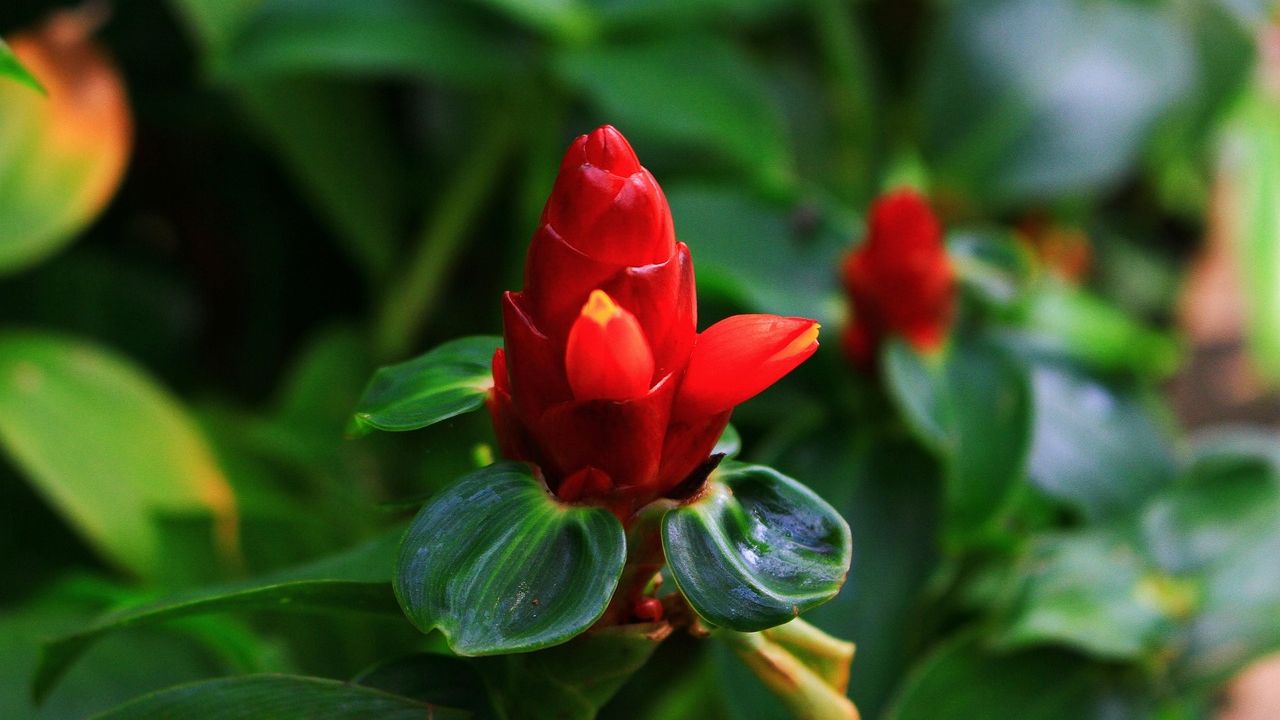
Flowering plants transformed into ‘hopeful monsters’ in 9 dire bursts across evolutionary time, study finds – Image for illustrative purposes only (Image credits: Pixabay)
When environmental catastrophes reshape the planet, some species endure not through gradual adaptation but through abrupt, sweeping changes. Flowering plants followed this path during nine distinct crises in their long history, according to fresh research that reframes how these organisms responded to extreme stress. One well-documented case occurred after the asteroid impact that ended the age of dinosaurs, when certain lineages underwent rapid transformations that secured their survival. The findings indicate such dramatic shifts occurred far more often than earlier models suggested.
What the Term ‘Hopeful Monsters’ Actually Means
Biologists use the phrase to describe sudden, large-scale alterations in plant structure or reproductive strategy that allow a lineage to exploit new conditions after disaster strikes. These are not minor tweaks but wholesale reorganizations that can appear almost overnight in evolutionary terms. The concept challenges the traditional view of evolution as a slow, steady process and instead highlights how crisis can accelerate major innovation. Researchers note that while the changes carry risk, they sometimes open pathways that prove decisive for long-term persistence.
Patterns Revealed Across Deep Time
The study mapped these nine episodes by combining fossil evidence with genetic comparisons among living species. Each burst aligned with periods of global upheaval, including mass extinctions and climate shifts that eliminated many competitors. Flowering plants did not simply recover after these events; they reconfigured themselves in ways that allowed them to occupy new ecological roles. The pattern suggests that repeated exposure to severe conditions may have repeatedly triggered the same kind of radical response.
Why the Frequency Matters
Earlier assumptions held that such extreme evolutionary jumps were exceptional and isolated. The new analysis shows they formed a recurring feature of flowering-plant history, appearing at regular intervals whenever conditions deteriorated sharply. This regularity implies that the capacity for rapid, large-scale change may be built into the group’s biology rather than arising by chance. Scientists caution, however, that the precise triggers and genetic mechanisms behind each episode remain only partly understood.
Implications for Life Under Modern Pressure
The historical record demonstrates that flowering plants have already navigated multiple planetary-scale disturbances through these monster-like transformations. Whether similar rapid shifts could occur again under today’s accelerating climate and habitat changes is an open question the study leaves unresolved. Continued observation of living species under stress may eventually clarify if the same evolutionary toolkit remains available. For now, the nine documented episodes stand as evidence that life’s most resilient forms often emerge precisely when survival seems least assured.