
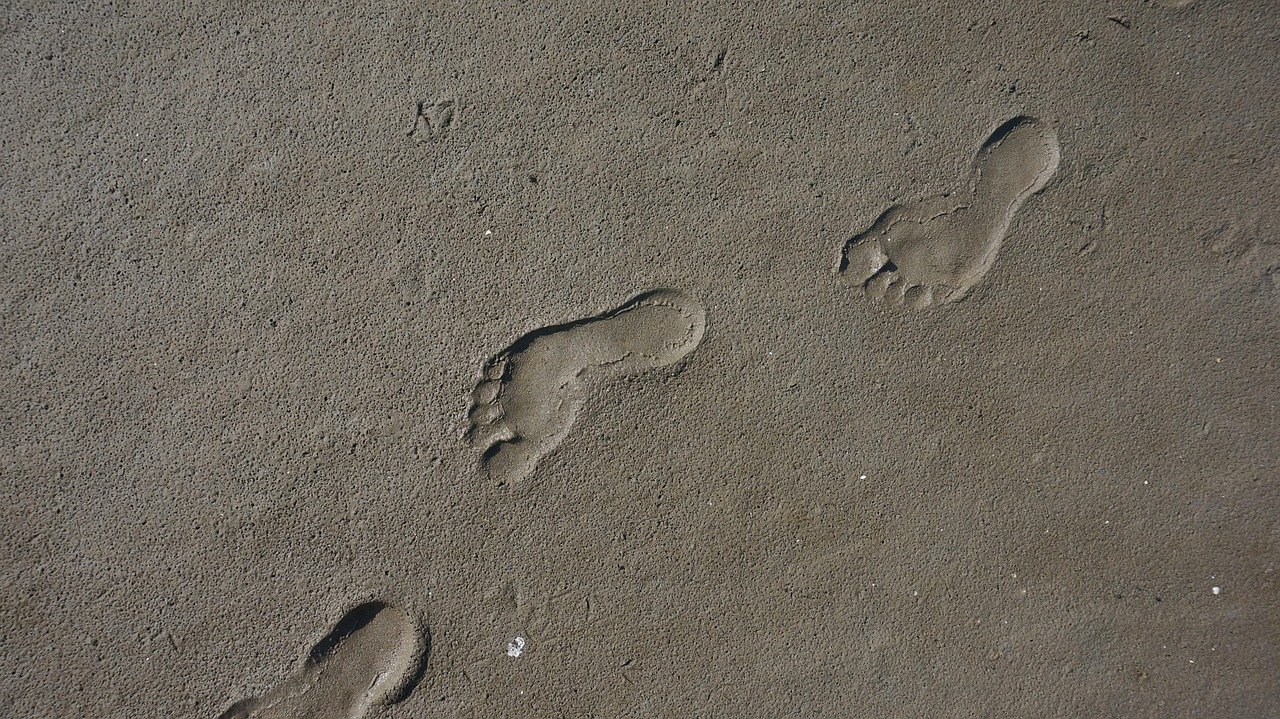

Here’s something that should stop you mid-scroll. For most of human history, we assumed our evolutionary story was relatively tidy. One species leads to another. A neat ladder. A clean line from ape to human. Comfortable, simple, and almost entirely wrong.
What ancient footprints, pressed into volcanic ash and lakeside mud millions of years ago, are now telling scientists is something far stranger, more crowded, and honestly more fascinating. Multiple species. Same landscape. Same time. Walking right past each other. The evidence is sitting in the rock, and it keeps getting more compelling with every new excavation season.
So let’s dive in.
The Scene: Two Species Cross Paths on a Kenyan Lakeshore
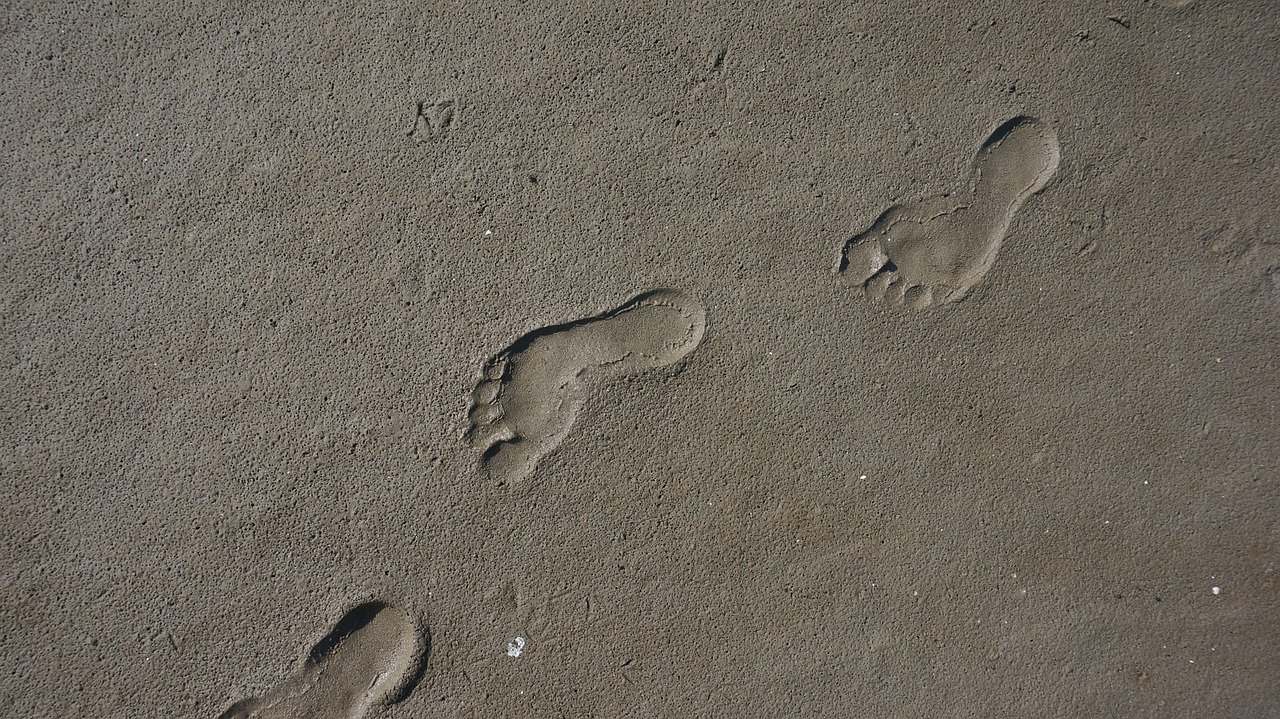
Picture this. A hot, ancient savanna. Wildlife everywhere. A shallow, silty lakeshore near what would one day become Lake Turkana in Kenya. More than a million years ago, two completely different species of hominins may have passed each other as they scavenged for food on that very shoreline. Not metaphorically. Not in neighboring valleys. Literally on the same stretch of muddy ground.
Scientists have examined 1.5-million-year-old fossils and concluded they represent the first example of two sets of hominin footprints made at about the same time on an ancient lakeshore. The discovery, published in the journal Science in November 2024, sent a genuine jolt through the paleoanthropology world. Honestly, it deserved the attention.
The tracks were made by hominins belonging to the species Homo erectus and Paranthropus boisei, the two most common hominin species of the Pleistocene Epoch. One was likely our ancestor. The other, a more distant relative. Both, walking the same mud within hours of each other.
Trace Fossils: Why These Footprints Are Different From Bones
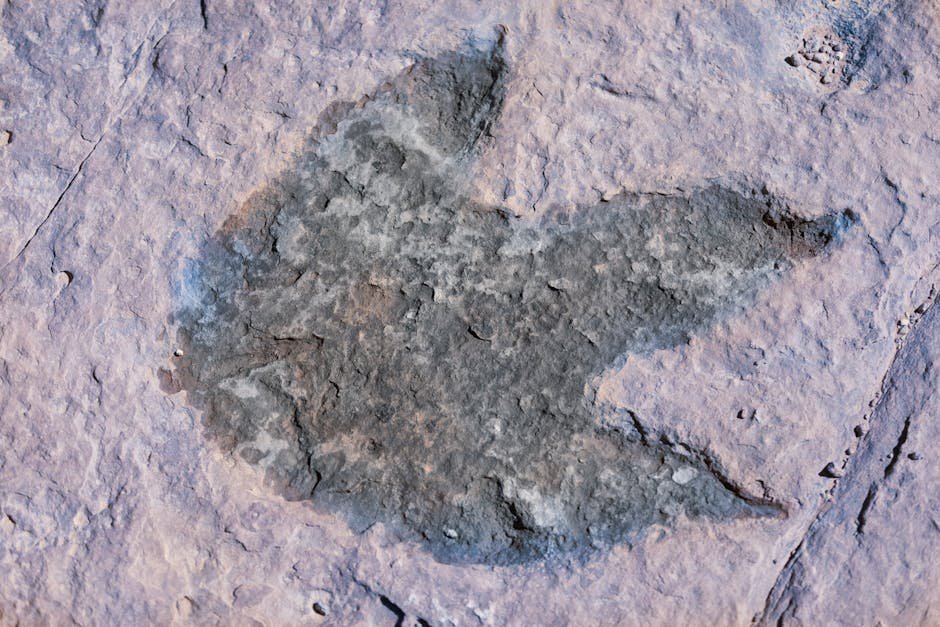
The footprints are significant because they fall into the category of “trace fossils,” which can include footprints, nests and burrows – not part of an organism itself, but offering evidence of behavior. This is a crucial distinction that most people miss. A bone tells you a creature existed. A footprint tells you what it was actually doing that Tuesday afternoon.
Body fossils such as bones and teeth are evidence of past life, but are easily moved by water or a predator. Trace fossils, however, cannot be moved. Think about that for a second. A femur can drift downstream. A footprint in hardened volcanic sediment? That stays exactly where the creature stepped. It is permanent, irrefutable, and deeply personal.
While skeletal fossils have long provided the primary evidence for studying human evolution, new data from fossil footprints are revealing fascinating details about the evolution of human anatomy and locomotion, and giving further clues about ancient human behaviors and environments. We are not just finding out who existed anymore. We are finding out how they lived, how they moved, and where they went.
The Discovery at Koobi Fora: Serendipity in the Field
Researchers described the discovery as “a bit of serendipity.” The fossil footprints were uncovered in 2021 when a team organized by Louise Leakey, a third-generation paleontologist and granddaughter of Louis Leakey, discovered fossil bones at the site. Finding one set of hominin tracks was already remarkable. Finding two different species on the same surface was something else entirely.
While cleaning the top layer of a bed, excavator Richard Loki noticed some giant bird tracks, then spotted the first hominin footprint. Leakey coordinated a team that excavated the footprint surface in July 2022. A full excavation revealed much more than anyone expected.
The dig exposed 23 square meters of sediment, revealing 11 more hominin tracks similar to the first in a line suggesting they were made by the same individual, plus three isolated footprints in a perpendicular direction. The researchers also found 94 nonhuman tracks belonging to birds and cow- and horse-like animals. The largest bird track was 27 centimeters across and likely belonged to a kind of giant stork known as Leptoptilos. The ancient world, it turns out, was a very busy place.
Reading the Anatomy: How Scientists Told the Species Apart
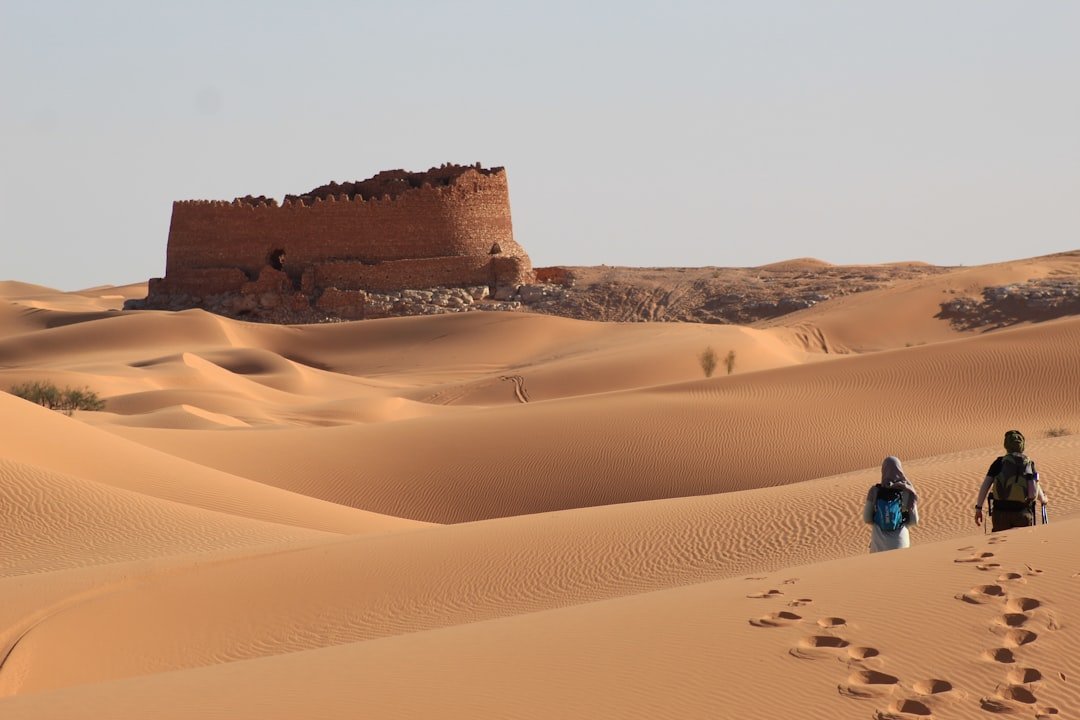
The team concluded that hominins belonging to the species Homo erectus and the smaller-brained Paranthropus boisei made the footprints. Paranthropus boisei made the long trackway, while Homo erectus made the other three isolated footprints, the study suggested. But separating them was not easy or obvious.
While the isolated footprints were distinctly human-like and likely belonged to Homo erectus, the ones forming the trackway were different. The foot that made these was flatter than a modern human’s and had a big toe that was somewhat angled away from the rest of its digits. That distinctive flatness and that angled big toe were the anatomical clues that cracked the case.
A comparison with a sample of 340 living people, walking across a variety of different surfaces, found it would be impossible for a direct human relative to have made the trackway prints. They weren’t similar to chimpanzee tracks either, meaning the answer had to be somewhere in between. Using 3D imaging, the footprints revealed apparent differences in walking styles, highlighting upright walking for both species but with variations in gait and posture.
The Timing: Hours Apart, Not Thousands of Years
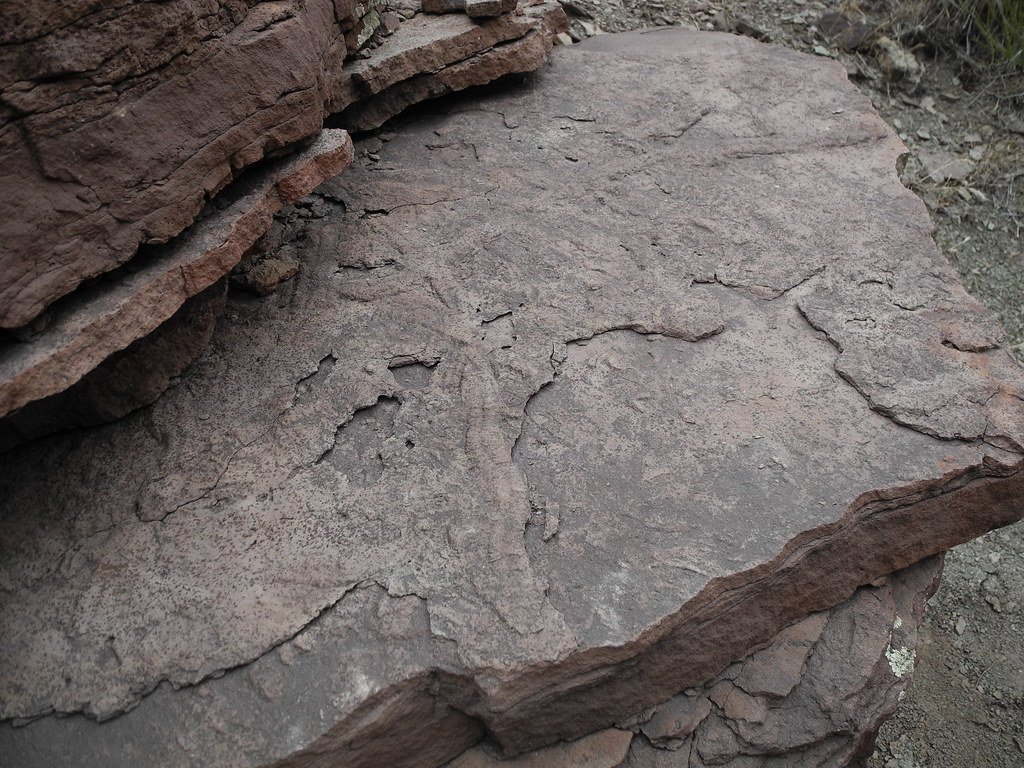
Here is where the story gets genuinely mind-bending. When people hear “fossil,” they often imagine a slow accumulation of evidence across millennia. This is different. The two species didn’t just share a continent or a geological epoch. These footprints are especially exciting because careful anatomical analysis shows two different kinds of hominins made tracks on the same lakeshore within hours to a few days of each other, possibly even within minutes. We know the footprints were made so close together in time because experiments on the modern shoreline of Lake Turkana show that a muddy surface suitable for preserving clear tracks doesn’t last long before being destroyed by waves or cracked by the sun.
The researchers confirmed the tracks were imprinted within hours to a few days because there is no cracking on the surface of the footprints, which would occur if they had been exposed to air and dried under the sun for a longer period. Instead, the prints were all pristinely preserved in a similar fashion under accumulating strata of sediment, thanks to fine silty sand that gently covered the tracks soon after they had formed.
Let’s be real – the image of two different human species, both walking upright, possibly glancing at each other across that ancient lakeshore, is one of the most powerful mental pictures science has given us recently. These early hominins would have seen giant cranes, ancient horses and antelopes – and, possibly, each other.
The Laetoli Trackway: Africa’s Original Footprint Gallery
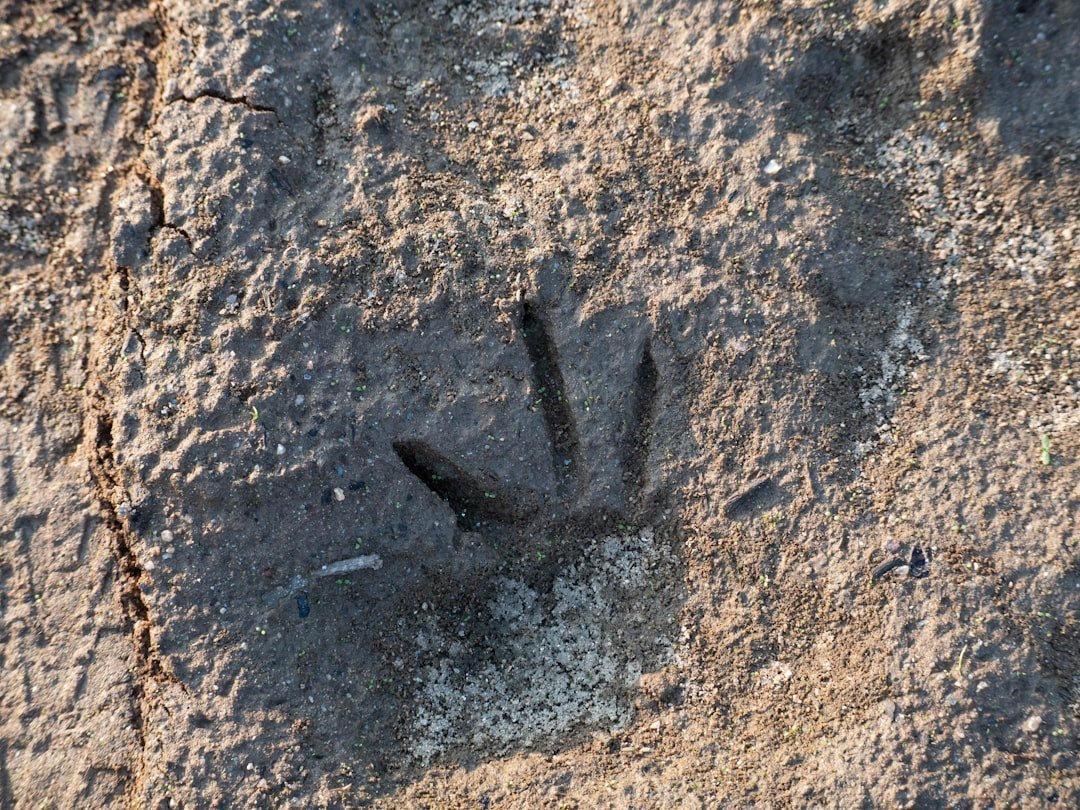
No article about ancient footprints can skip Laetoli. It remains a cornerstone of the entire story. About 3.6 million years ago in Laetoli, Tanzania, three early humans walked through wet volcanic ash. When the nearby volcano erupted again, subsequent layers of ash covered and preserved what became the oldest known footprints of early humans. They are breathtaking in their clarity and their age.
The entire footprint trail is almost 27 meters long and includes impressions of about 70 early human footprints. The Laetoli footprints were most likely made by Australopithecus afarensis, an early human whose fossils were found in the same sediment layer. Think of it as a gallery frozen in volcanic rock, preserving a walk taken nearly four million years ago.
The discovery of these footprints settled a key issue, proving that Laetoli hominins were fully bipedal long before the evolution of the modern human brain, and were bipedal close to a million years before the earliest known stone tools were made. Walking upright came first. Everything else followed. Just like us, the footprints show the species had big toes in line with the rest of their foot, and researchers deduced they walked with a “heel-strike” where the heel hits first followed by “toe-off” in which the toes push off at the end of the stride.
The Burtele Foot: A 3.4-Million-Year-Old Mystery Solved in 2025
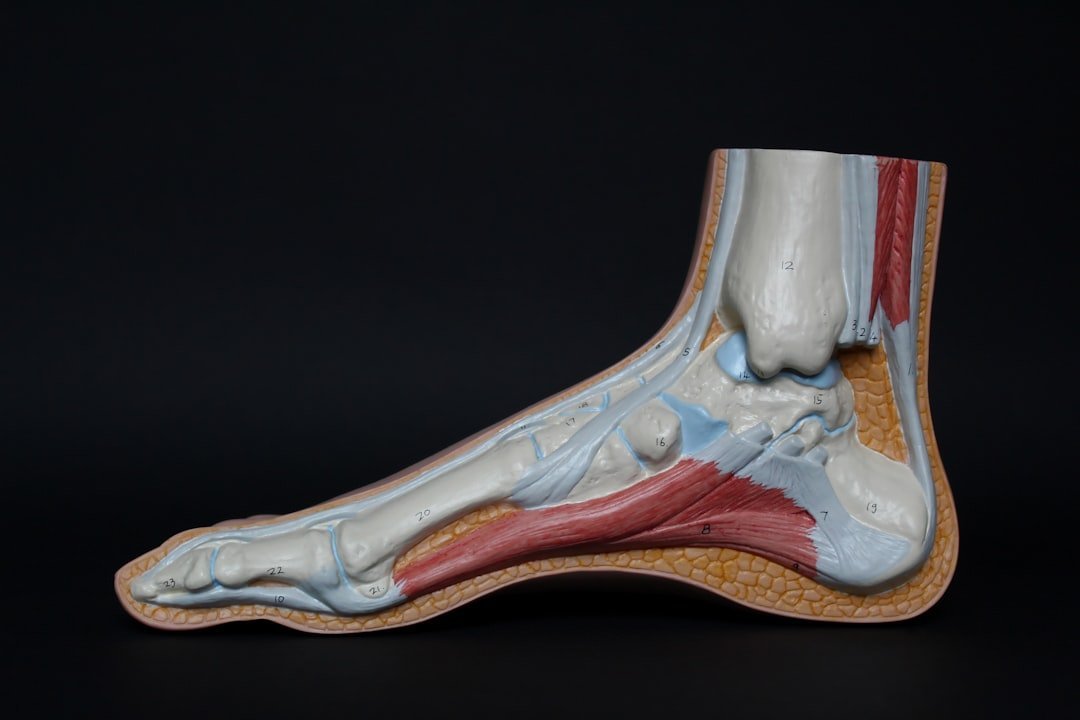
If Laetoli is the classic exhibition, the Burtele foot is the unexpected new wing of the museum. In 2009, a team led by paleoanthropologist Yohannes Haile-Selassie found eight foot bones within 3.4-million-year-old sediments at the Burtele locality in Ethiopia’s Afar region. They knew right away it was unusual. Strange, even.
The team knew the foot came from a different species than Lucy’s because it had an opposable toe, suggesting a greater ability to grasp and would have easily climbed trees. This was not the foot of a ground-walker. This belonged to a creature still negotiating between the trees and the earth below. Newly recovered jaw and tooth fossils have now been confidently linked to this unusual 3.4-million-year-old partial foot, known as the “Burtele foot,” confirming that Australopithecus deyiremeda was a distinct species living at the same time and place as Lucy’s kind.
A. deyiremeda lived in a wooded environment and mainly ate from trees and shrubs, whereas A. afarensis had a broader diet and lived in more open habitats. Two species. Same region. Completely different lifestyles. What this means is that bipedality, walking on two legs, in these early human ancestors came in various forms. Evolution, it turns out, was running multiple experiments at once.
Shattering the “One Species at a Time” Theory
I think one of the most consequential ideas to fall apart under all this footprint evidence is what might be called the “lone hominin” assumption. It was once proposed, seriously, that no two hominin species ever overlapped in the same time and space. That idea is now in serious trouble. These ancient footprints trample the old view, proposed in the 1950s by evolutionary biologist Ernst Mayr, that no two hominin species overlapped in time and space.
For much of human evolutionary history, scientists thought that multiple human relatives may have coexisted within the same geographical regions and time periods. This drove numerous hypotheses about niche partitioning and competition between species. However, the paleontological record had been unable to definitively establish whether these ancient human relatives actually lived together on the same landscapes simultaneously, until now.
With the new tracks as references, analyses suggest that other previously described hominin tracks in the same region indicate that these two hominins coexisted in this area of the Turkana Basin for at least 200,000 years, repeatedly leaving their footprints in the shallow lake margin habitat. Not a brief overlap. Two hundred thousand years of coexistence. That is not an accident. That is a fact of ancient life.
Competition, Cooperation, or Something In Between?
The research team expanded its analyses to other fossil footprint sites in the surrounding area and found more evidence that these two species not only overlapped in time but lived in close proximity over 200,000 years. This combination of data suggests low to neutral competition between them, which may have enabled their long-term coexistence during the early Pleistocene.
Both species possessed upright postures, bipedalism and were highly agile. Little is yet known about how these coexisting species interacted, both culturally and reproductively. That honest admission from researchers is refreshing. The footprints tell us they were there together. What happened between them is still an open question.
Homo erectus, a possible direct ancestor of ours, persisted for more than a million years after this encounter. The other, Paranthropus boisei, went extinct within the next few hundred thousand years. Perhaps changes to climate influenced resource availability, and that led to the extinction of Paranthropus and the persistence of Homo. The survivors and the extinct both left footprints. Only one lineage kept walking forward.
What This Rewrites About Human Evolution

From revolutionary fossil discoveries spanning multiple continents to groundbreaking genetic studies revealing hidden chapters in our ancestry, recent findings demonstrate that the story of humanity is far more complex than the simple linear progression scientists once envisioned. These discoveries paint a vivid picture of a “bushy tree” of evolution where multiple human species coexisted, interbred, and ultimately contributed to the rich genetic tapestry that defines us today.
These findings further solidify evidence that eastern Africa between 3.5 and 3.3 million years ago was inhabited by multiple hominin species, which occupied distinct ecological niches. Different feet. Different diets. Different ways of moving through the same world. The evolution of bipedalism was certainly more complex than we once believed. That single sentence, from a fossil footprint expert at Bournemouth University, might be the most understated sentence in paleoanthropology right now.
Knowing that another hominin lived alongside Lucy’s species challenges the idea that human evolution was relatively linear. The ladder we imagined was never a ladder. It was always a dense, branching, sometimes overlapping forest of species, feet, and footprints, most of which we have not yet found. What would you have guessed, had someone asked you a decade ago whether we ever truly walked alone?