

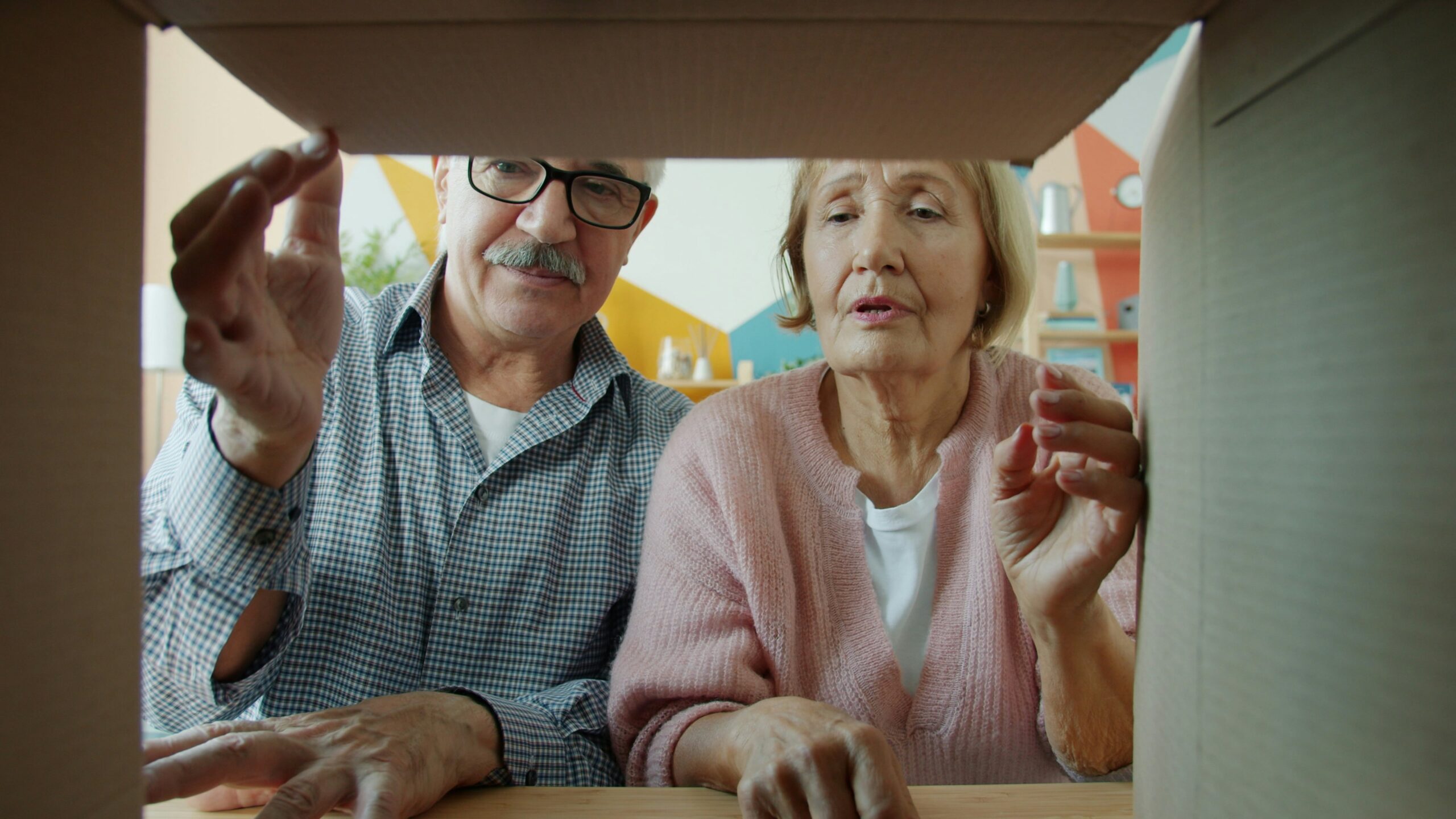
Psychology says people who maintain a strong memory deep into retirement share a single trait that has nothing to do with diet, supplements, or apps – they never stopped being genuinely curious, and a brain that is still pulled toward unfamiliar things by its own interest stays sharper than any brain that has been put on a regimen designed to keep it sharp – Image for illustrative purposes only (Image credits: Unsplash)
Retirement communities often reveal stark contrasts among residents in their seventies and eighties. Some individuals repeat stories from decades past, struggling to grasp new ideas. Others dive into unfamiliar topics with enthusiasm, recalling details effortlessly. Psychologists point to a common thread among those who retain sharp memories: a persistent, intrinsic curiosity that draws the brain toward novelty without external prods.
Research Links Curiosity to Lasting Brain Health
Studies in neuroscience have illuminated how curiosity sustains cognitive function well into old age. A 2018 review published in Neuroscience and Biobehavioral Reviews, led by psychologist Michiko Sakaki, synthesized evidence showing curiosity’s role in preserving memory, mental health, and even physical well-being. The analysis highlighted brain chemicals like dopamine and norepinephrine, which surge during moments of genuine interest and support learning pathways.
This activation differs from rote exercises. When people pursue topics out of true fascination, neural networks tied to memory consolidation strengthen naturally. Sakaki’s team emphasized that such engagement keeps these systems robust, countering age-related decline more effectively than structured drills.
Specific Curiosity Peaks Later in Healthy Aging
Recent work from UCLA psychologist Alan Castel adds nuance to the picture. His research observed that while broad curiosity may wane with age, targeted or “state” curiosity often rises among cognitively healthy seniors. Those who chase deep dives into subjects like history, music, or science maintain superior memory performance compared to less engaged peers.
Personality research reinforces this pattern. Longitudinal data connect high “openness to experience” – curiosity’s stable counterpart – with slower cognitive deterioration. A study in Social Cognitive and Affective Neuroscience linked this trait to preserved episodic memory, thanks to intact brain networks. Across multiple investigations, novelty-seeking brains demonstrate resilience that routine-leaning ones lack.
Brain Training Apps Offer Limited Real-World Gains
Many turn to commercial solutions in hopes of staving off forgetfulness. Applications like Lumosity promise cognitive boosts through gamified puzzles, while supplements flood shelves with claims of neural protection. Yet evidence tempers enthusiasm for these approaches.
A 2025 study in the European Journal of Psychology examined computerized training in healthy older adults. Results showed gains confined to specific tasks, with little transfer to everyday thinking or memory. Supplements face similar scrutiny, lacking robust proof of broad benefits. The core issue lies in motivation: obligatory practice engages surface-level repetition, bypassing the rewarding neural pathways curiosity ignites.
Those drawn to apps often seek fixes for faded interest, creating a cycle. Joyless regimens mimic exercise without the intrinsic pull that forges lasting connections. True engagement, by contrast, leverages the brain’s natural drive, yielding deeper, transferable improvements.
Factors That Erode Curiosity Over Time
Curiosity seldom vanishes abruptly in retirement; it erodes gradually from midlife onward. Work demands, family responsibilities, and rigid self-views contribute to this shift. People in their forties and fifties may dismiss new technologies or ideas as irrelevant, narrowing their horizons.
Social circles play a role too. Environments that view novelty as odd can discourage exploration. Confirmation-biased media diets further entrench familiarity. Sakaki’s review noted these patterns but offered hope: curiosity responds to practice, with responsive neural machinery persisting across ages.
- Daily fatigue from career and parenting dulls openness to the unfamiliar.
- Fixed identities limit pursuits (“That’s not for me”).
- Overconfidence in established knowledge breeds dismissal.
- Peer groups favoring the known reinforce insularity.
Cultivating Lifelong Wonder for Cognitive Protection
Key Insights on Curiosity and Aging:
– Activates dopamine-driven memory systems.
– Outperforms task-specific training in real-life retention.
– Can rebound with deliberate exposure to novelty.
– Ties to personality trait “openness,” predicting slower decline.
Revitalizing curiosity requires no special tools, only willingness to engage authentically. Seniors might explore podcasts on obscure histories or master simple tech for family chats. Younger adults can audit their habits: recent rabbit holes into non-routine topics signal vitality.
Practices like mindfulness echo this by fostering a “beginner’s mind,” stripping preconceptions to reveal fresh details. The brain thrives on such availability, encoding experiences more durably. Observers of aging relatives notice the divide clearly: question-askers fare better than the guarded.
Ultimately, memory’s best safeguard emerges not from pills or programs, but from an enduring pull toward the world’s unknowns. Those who nurture this trait across decades equip their minds to endure. In a landscape of quick fixes, genuine inquiry stands as the most reliable, elegant defense.