

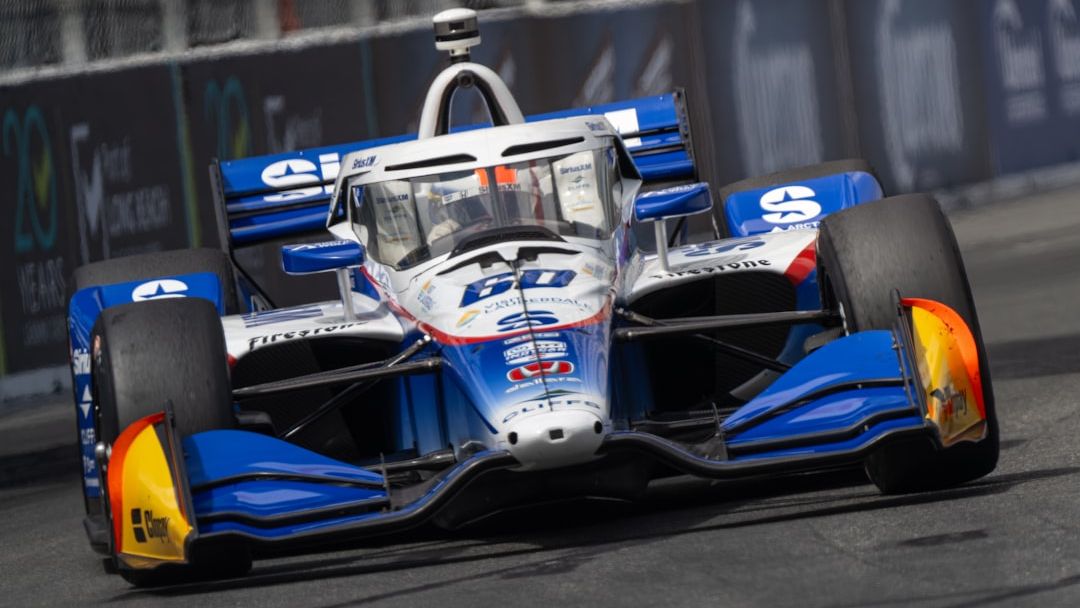
A rule change is causing confusion among IndyCar drivers as season restarts at Indianapolis GP – Image for illustrative purposes only (Image credits: Unsplash)
Indianapolis drivers are adjusting their approach to the opening laps of Saturday’s Grand Prix after series officials altered how the push-to-pass system can be used on restarts. The change stems from a software issue at Long Beach last month that allowed several competitors to gain an unintended advantage. Teams and drivers now must weigh the risk of penalties against the potential benefit of an early boost, particularly on the first lap when positions can shift quickly. The modification aims to prevent repeats of past disputes while keeping the 200 seconds of total green-flag boost time intact for the 2.439-mile road course.
Practical Effects of the Restart Adjustment
Under the updated guidelines, drivers may activate push-to-pass only after passing the alternate start-finish line in Turn 11 once the race has begun. Any earlier use triggers a penalty, even if another malfunction occurs. This setup turns the run into Turn 11 into a high-stakes moment similar to the race’s first corner, where timing and restraint become critical. The rule applies specifically to the initial lap, after which drivers regain full control over their 60-horsepower boost allocation. The adjustment directly addresses incidents where the button activated unexpectedly. At Long Beach, nearly half the field benefited from the error without immediate consequences. Officials decided the new restriction would eliminate ambiguity and ensure consistent enforcement across the field.
Background on Prior Incidents
Last year’s season-opening race at St. Petersburg highlighted the stakes when Josef Newgarden lost a victory after officials ruled he had used push-to-pass during a restart. That decision underscored how even small timing errors could alter championship outcomes. The Long Beach software failure amplified the problem when multiple drivers, including some who claimed they were unaware the system was active, gained extra power mid-race. Series leaders reviewed telemetry and driver statements before finalizing the change. The goal was to close loopholes without removing the strategic element that makes push-to-pass a valuable tool on road courses.
How Drivers Are Responding
Alex Palou, the four-time champion who leads the standings by 17 points, voiced immediate uncertainty during a meeting with top competitors. He questioned whether an accidental early activation caused by another driver’s error would still result in a penalty. The discussion lasted several minutes and revealed varying levels of preparation among the group. Kyle Kirkwood noted that most drivers would have used the system at Long Beach if they had known it was working. He added that the new rule encourages conservation of boost for potential restarts rather than aggressive use on in-and-out laps. Santino Ferrucci described realizing the button was active only after defending a position on a late restart during testing, an experience that now informs how others plan their approach.
Strategic Adjustments and Championship Outlook
Teams are revising their boost-management plans to account for the delayed activation window. Drivers may hold back earlier in the race to ensure they have reserves available if a caution or restart occurs. This shift could reduce overtaking attempts in certain sections while increasing focus on clean exits from Turn 11. Palou enters the weekend as the clear favorite after topping both Friday practice sessions with laps of 124.953 mph and 124.632 mph. Kirkwood sits second in the standings and posted the second-fastest time in the afternoon session. The rule change gives every competitor the same information ahead of the green flag, removing the element of surprise that complicated recent events. The modification places greater emphasis on preparation and communication within each team. How quickly drivers adapt will determine whether the change delivers the intended increase in on-track intrigue or simply adds another variable to an already complex road-course event.