

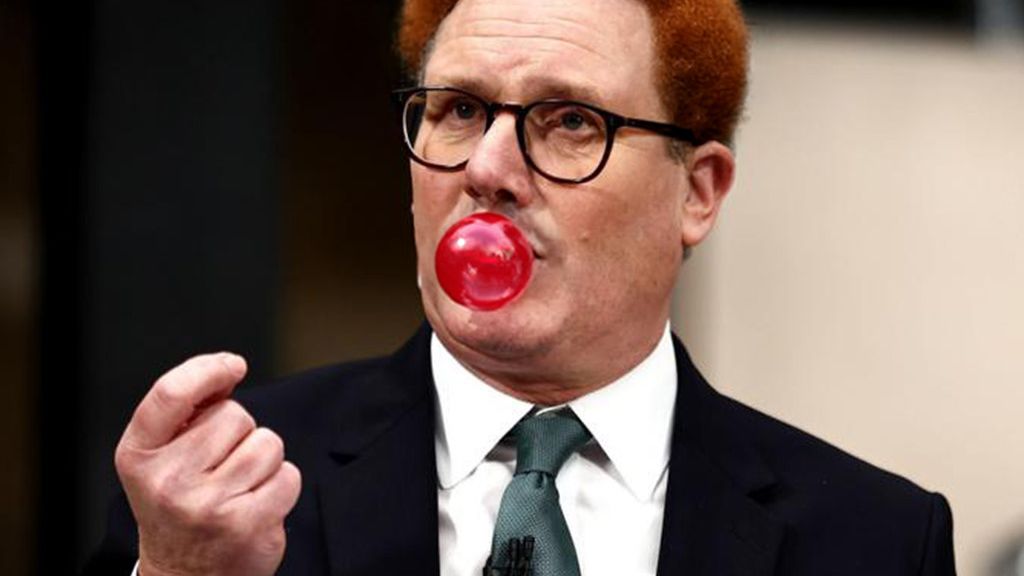
Starmer says he won’t quit after local elections deliver losses for Labour and wins for Reform UK – Image for illustrative purposes only (Image credits: Flickr)
British voters delivered a pointed rebuke in the latest round of local and regional contests, handing significant ground to Reform UK while leaving the governing Labour Party with far fewer seats than expected. The results, viewed by many as an early test of Prime Minister Keir Starmer’s leadership, came less than two years after Labour returned to power following 14 years of Conservative rule. Public impatience with the pace of economic improvement and public-service repairs has grown steadily, and the elections underscored how that frustration is reshaping the political map.
Labour’s Setbacks and Internal Reckoning
The scale of the losses left Labour lawmakers and ministers alike assessing what went wrong. In England, the party surrendered hundreds of council seats, including long-held strongholds in northern working-class communities. Cabinet members described the outcome as a necessary alert rather than a fatal blow, yet a small number of backbenchers openly questioned whether the prime minister should remain in place. Starmer accepted personal responsibility for the results while ruling out any immediate departure. He noted that voters had expressed clear views on the speed of promised improvements and stressed his determination to address those concerns without triggering wider instability. Several senior figures echoed that view, arguing that removing the leader now would only deepen the uncertainty facing the country.
Reform UK Capitalizes on Voter Frustration
Reform UK, under Nigel Farage, emerged as the clearest beneficiary of the discontent. The party secured hundreds of new council seats across England, particularly in areas that had backed Brexit a decade earlier. Gains came at Labour’s expense in places such as Sunderland and at the Conservatives’ expense in counties like Essex, reflecting a broader anti-establishment mood on issues including immigration and economic delivery. Farage described the pattern of results across England, Scotland and Wales as evidence of a lasting realignment. The party’s platform, focused on simpler solutions to complex problems, resonated in communities that felt overlooked by the main parties. Analysts observed that Reform’s performance, while still below 30 percent nationally, already signals the end of the traditional two-party dominance that shaped British politics for generations. The same fragmentation appeared on the centre-left. The Green Party captured the mayoralty in Hackney and added hundreds of council seats in cities and university towns, drawing support from voters seeking stronger action on environmental and social priorities. The Liberal Democrats also picked up ground in several regions, further diluting the share held by the two largest parties.
Nationalist Parties Strengthen in Scotland and Wales
Separate contests for the devolved parliaments produced their own shifts. In Scotland, the Scottish National Party remained the largest single force but appeared short of an outright majority, reducing the immediate prospect of a fresh independence referendum. In Wales, Plaid Cymru ended Labour’s 27-year hold on power, finishing ahead of both Labour and Reform to position itself for government formation. Outgoing Welsh First Minister Eluned Morgan called the result catastrophic for her party and said it marked the close of a century of Labour dominance in the region. The outcome leaves Labour in third place there and forces the party to confront why its traditional base has eroded so sharply.
Starmer’s Position and the Road to 2029
The prime minister’s personal standing has declined amid policy reversals and slower-than-expected progress on growth and living costs. Some Labour parliamentarians, including Jonathan Brash, argued that bolder leadership is now required. Others, however, warned against any rushed challenge that could leave the party divided ahead of the next general election, which must be held by 2029 at the latest. Even if Starmer remains in office for the present, many within the party privately doubt he will lead Labour into that contest. The results have already prompted discussion of possible successors and the timetable any transition might follow. For now, the government faces the task of responding to a more fragmented electorate while delivering on the promises that brought it to power.