

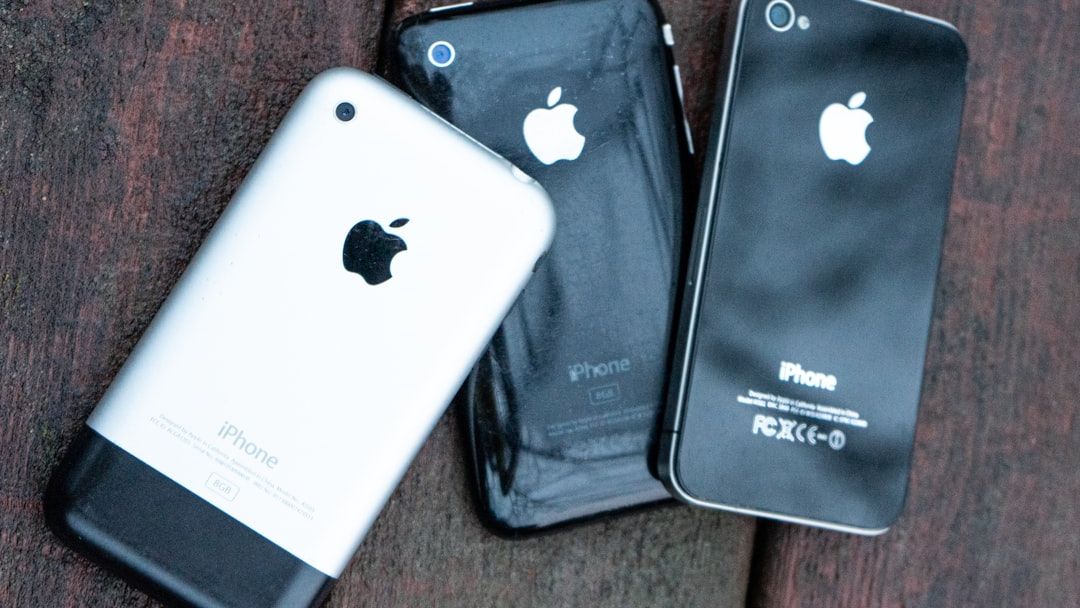
iPhone owners could get up to $95 from a new Apple settlement – Image for illustrative purposes only (Image credits: Unsplash)
San Francisco – Consumers who snapped up the latest iPhones expecting groundbreaking AI upgrades faced disappointment when promised features failed to materialize on schedule. Apple now faces a proposed $250 million settlement to address claims of misleading advertising around enhanced Siri capabilities.[1][2] The agreement, filed for preliminary court approval this week, targets millions of U.S. buyers who purchased specific models during a key nine-month window.
The Roots of the False Advertising Claims
Apple showcased ambitious updates to Siri and its Apple Intelligence suite at the Worldwide Developers Conference in June 2024. The company promoted these enhancements heavily during the iPhone 16 launch in September 2024, saturating ads across TV, online platforms, and stores with visions of a smarter, more intuitive assistant.[3] Plaintiffs argued that such marketing created expectations of immediate availability, yet core features like advanced personalization remained absent well into 2026.
Lawsuit filings detailed how Apple highlighted capabilities that “did not exist at the time, do not exist now, and will not exist for two or more years.” Buyers contended they would not have purchased the devices or would have paid less without these representations.[4] The case, Landsheft v. Apple Inc., proceeded in the U.S. District Court for the Northern District of California, consolidating multiple consumer complaints.[2]
Delays stemmed from technical hurdles, including Apple’s pivot to integrate Google’s Gemini models for Siri improvements, originally eyed for early 2026 but pushed further back. While rivals like Google and Samsung advanced their AI offerings, Apple’s rollout lagged, fueling consumer frustration and legal action.[5]
Which iPhones Qualify for Compensation?
Eligibility hinges on specific models bought within a defined period. The settlement encompasses all iPhone 16 variants alongside premium iPhone 15 options capable of supporting Apple Intelligence.[4]
- iPhone 16
- iPhone 16e
- iPhone 16 Plus
- iPhone 16 Pro
- iPhone 16 Pro Max
- iPhone 15 Pro
- iPhone 15 Pro Max
Purchases must have occurred between June 10, 2024, and March 29, 2025, in the United States. This timeframe aligns with the height of promotional activity around WWDC announcements and the iPhone 16 debut.[3] Court documents estimate roughly 37 million such devices entered the market, forming the basis of the class action.[1]
Payment Structure and influencing Factors
Under the terms, claimants stand to receive at least $25 per qualifying device, with potential adjustments up to a $95 maximum. The final amount will depend on the total number of valid claims filed, administrative costs, and attorneys’ fees drawn from the $250 million fund.[2] This non-reversionary common fund ensures distribution prioritizes consumer relief.
Apple made no admission of liability, maintaining it acted in good faith while complying with laws. The company emphasized ongoing deliveries of other Apple Intelligence tools, such as Writing Tools, Genmoji, and Clean Up features, alongside robust privacy measures.[4] Still, the settlement resolves disputes tied to two specific delayed Siri enhancements.
Administrative details remain pending final approval. Notices will reach potential class members via email or mail within weeks, directing them to a dedicated website for submissions.[1] Timely filing proves essential, as payments hinge on court sign-off and claim verification.
Key Takeaways
- Settlement Fund: $250 million for U.S. iPhone buyers.
- Payout Range: $25–$95 per device.
- Covered Period: June 10, 2024–March 29, 2025.
- Status: Awaiting preliminary approval; no claims yet.
What Happens Next in the Process
Lawyers from Clarkson Law Firm and co-counsel submitted motions for preliminary approval this week. If granted, the court will oversee notice distribution and set deadlines for claims, objections, and a final fairness hearing.[2] This timeline typically spans several months, allowing Apple to refocus on upcoming Siri upgrades expected at its developer conference next month.
Consumers should monitor their inboxes and official channels for updates. Submitting proof of purchase strengthens claims, though simplified processes often apply in such settlements. The resolution underscores growing scrutiny on AI marketing amid rapid tech evolution.
As Apple continues refining its AI ecosystem, this payout serves as a reminder of the gap between hype and delivery. For affected owners, it offers tangible recourse; for the industry, a cautionary note on promises in the AI race.