

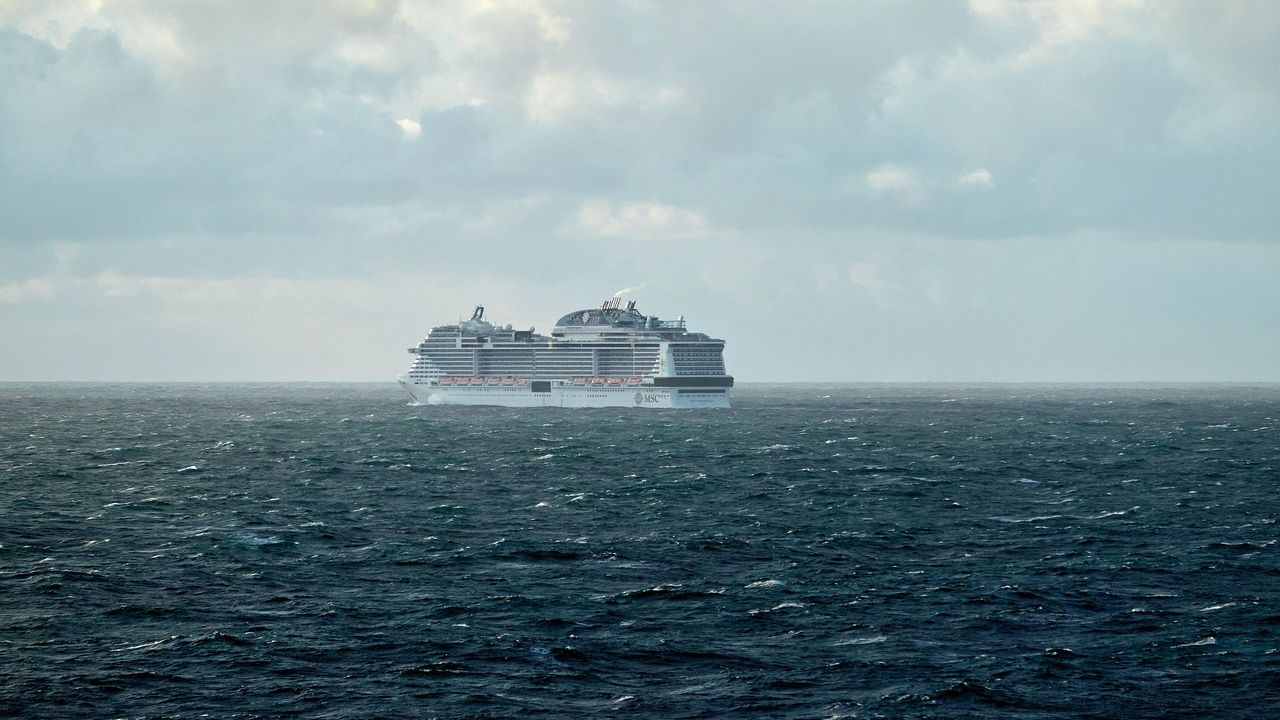
3 patients are being evacuated to Europe from cruise ship with hantavirus outbreak – Image for illustrative purposes only (Image credits: Pixabay)
PRAIA, Cape Verde — Health workers in protective suits helped three patients board an air ambulance from the MV Hondius, a Dutch expedition cruise ship anchored in the Atlantic, as authorities managed the first known hantavirus outbreak at sea. The World Health Organization confirmed two of the evacuees carried the virus, with the third linked to a recent fatality on board. The vessel, carrying nearly 150 passengers and crew, departed for Spain’s Canary Islands under strict isolation protocols.
Urgent Airlifts Mark Escalating Crisis
Evacuation flights carried the patients to specialized hospitals in the Netherlands on Wednesday. Among them was a 41-year-old Dutch national, a 56-year-old British doctor who had deteriorated to serious condition before stabilizing, and a 65-year-old German. Oceanwide Expeditions, the ship’s operator, reported that two remained in serious condition upon transfer, while the German showed no symptoms but had close ties to a deceased passenger.
Associated Press images captured the tense operation off Cape Verde’s coast on May 5. A medical flight later touched down in Amsterdam, underscoring the rapid international response to the ship’s plight.
Three Fatalities and Confirmed Infections
The outbreak claimed three lives, with one body still aboard the MV Hondius. The WHO tallied eight cases overall, five verified through lab tests conducted in Senegal. Passengers and crew remaining on the ship reported no symptoms and confined themselves to cabins during the three-to-four-day voyage to the Canary Islands.
Spain’s health ministry assured that the arrival posed no public threat, though Canary Islands President Fernando Clavijo expressed concerns and requested talks with Prime Minister Pedro Sánchez. The virus strain, Andes hantavirus from South America, typically spreads via rodent droppings but allows rare person-to-person transmission through close contact.
Hypothesis Points to Pre-Voyage Exposure
Argentine investigators zeroed in on a Dutch couple as likely index patients. Officials posited they contracted the virus during bird-watching near Ushuaia, at a landfill potentially harboring rodents, before embarking on April 1. That region in Tierra del Fuego had no prior hantavirus records.
The ship’s route traced a remote path: South America to Antarctica, then isolated Atlantic outposts like South Georgia, Nightingale Island, Tristan da Cunha, St. Helena, and Ascension. Two Dutch infectious disease specialists now joined the vessel to bolster onboard care.
Contact Tracing Spans Continents
Authorities pursued leads on passengers who disembarked earlier. In Switzerland, a former traveler tested positive and received treatment in Zurich; his wife isolated without symptoms. South African officials tracked 42 of 62 potential contacts from two cases there—one British man in intensive care, another who died—all negative so far, though 20 remained at large, including flight crews.
At St. Helena, a Dutch man’s body, suspected as the first case, was removed; his wife later collapsed fatally at Johannesburg airport. A British passenger evacuated at Ascension also reached South Africa. European and African health teams worked to map full travel paths and mitigate risks.
| Location | Key Developments | Status |
|---|---|---|
| Cape Verde | Three evacuations | Patients en route to Europe |
| South Africa | Two cases, one death | 42/62 contacts traced, negative |
| Switzerland | One positive case | Patient isolated, no public risk |
WHO Calms Fears While Stressing Vigilance
Hantavirus incubation lasts one to six weeks or longer, often leading to severe respiratory issues requiring oxygen or ventilation. The WHO’s top epidemic expert, Maria Van Kerkhove, emphasized clinical access’s importance. “This is not the next COVID, but it is a serious infectious disease,” she stated. “Most people will never be exposed to this.”
Public risk stayed low, with no shipboard outbreak precedent. Officials urged tracing for anyone near affected travelers, as the MV Hondius pressed toward the Canaries under watchful eyes.
As the ship nears Europe, the focus sharpens on preventing further spread from this unusual maritime cluster. Investigators continue piecing together exposures, reminding travelers of hantavirus hazards in rodent-prone wilds.