

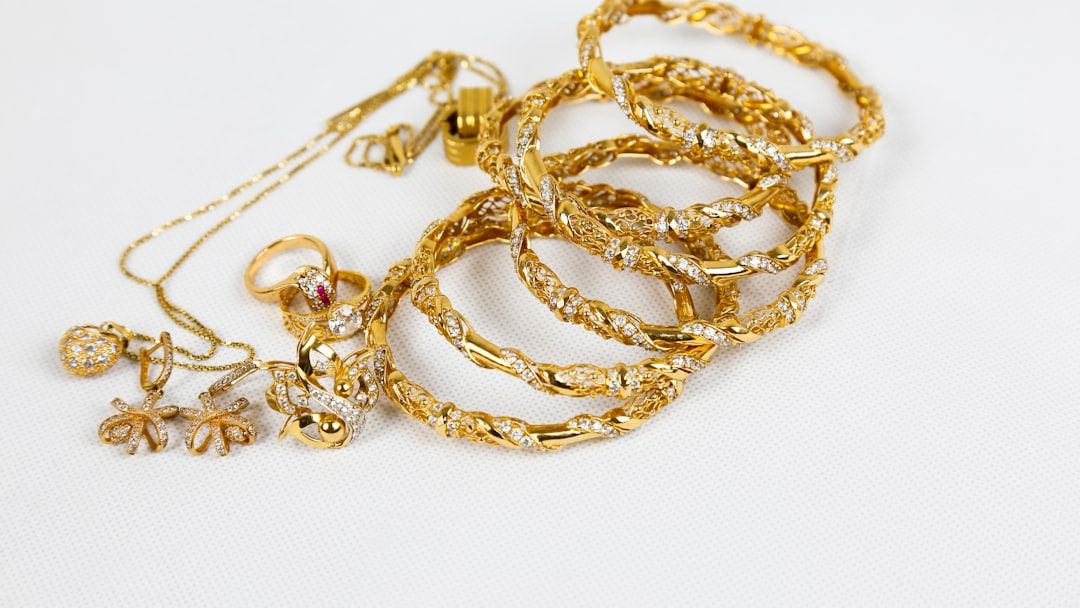
Jewelry Insurance: Should You Use a Rider or a Separate Policy? – Image for illustrative purposes only (Image credits: Unsplash)
Insurance markets for homes have grown increasingly unpredictable in recent years, leaving many policyholders uncertain about the best way to cover valuable personal items. Jewelry often sits at the center of this uncertainty because a single claim can affect far more than the lost item itself. Homeowners and renters policies now carry higher stakes when even modest losses enter the picture, prompting a closer look at how coverage is structured.
Why a Claim on One Policy Can Affect Another
Homeowners and renters insurers treat any payout as a signal of risk, regardless of the item involved. A relatively small jewelry loss filed under a rider can lead to higher premiums across the entire home policy or, in some cases, nonrenewal. This dynamic has become more pronounced as carriers adjust to rising repair costs and more frequent weather-related claims nationwide.
Policyholders who file multiple claims over a short period face the greatest exposure. Insurers review overall loss history when setting rates, which means a jewelry claim can indirectly raise the cost of protecting the home itself. The result is a practical trade-off between convenience and long-term stability of primary coverage.
When a Standalone Policy Limits Exposure
A dedicated jewelry policy keeps smaller claims separate from home coverage. Losses under a certain value threshold can then be handled without notifying the homeowners carrier, preserving the main policy’s claims record. This approach works especially well for items that fall into the mid-range of personal valuables.
Many advisors now point to a practical dividing line around ten thousand dollars. Pieces below that amount are typically better suited to a standalone policy so that any future claim stays isolated. The homeowners insurer remains unaware, which helps maintain steady premiums and renewal prospects for the larger policy.
When a Rider on the Home Policy Still Makes Sense
High-value heirlooms or single pieces that exceed typical thresholds often justify a different strategy. A rider attached to the homeowners or renters policy can provide broader coverage limits and sometimes simpler claims handling for items worth tens of thousands of dollars. In those situations the potential financial impact of a loss outweighs the risk of affecting the primary policy.
Insurers generally view a large claim on a high-value item as more understandable than repeated smaller ones. The size of the loss itself can justify the decision to use the rider without automatically triggering the same level of scrutiny that a modest claim might receive. This option remains available for those who need higher limits than most standalone jewelry policies offer.
A Clear Decision Framework
The choice ultimately rests on the appraised value of each piece and the priority placed on keeping home coverage untouched. The following comparison outlines the main considerations:
| Value Range | Recommended Approach | Primary Benefit |
|---|---|---|
| Under $10,000 | Standalone jewelry policy | Protects homeowners renewal and rates |
| $10,000 and above | Rider on homeowners or renters policy | Higher limits for significant assets |
Appraisals should be updated periodically to reflect current market values. Documentation of each item, including photographs and receipts, strengthens any future claim under either arrangement.
What matters now: Policyholders should review existing jewelry coverage during their next policy renewal to confirm that the chosen structure still aligns with current home-insurance conditions and the actual value of protected items.
The objective remains straightforward: structure coverage so that everyday valuables do not create unnecessary pressure on the policy that protects the home itself. By matching the insurance vehicle to the scale of the asset, owners can maintain both protection and stability across their overall insurance portfolio.