

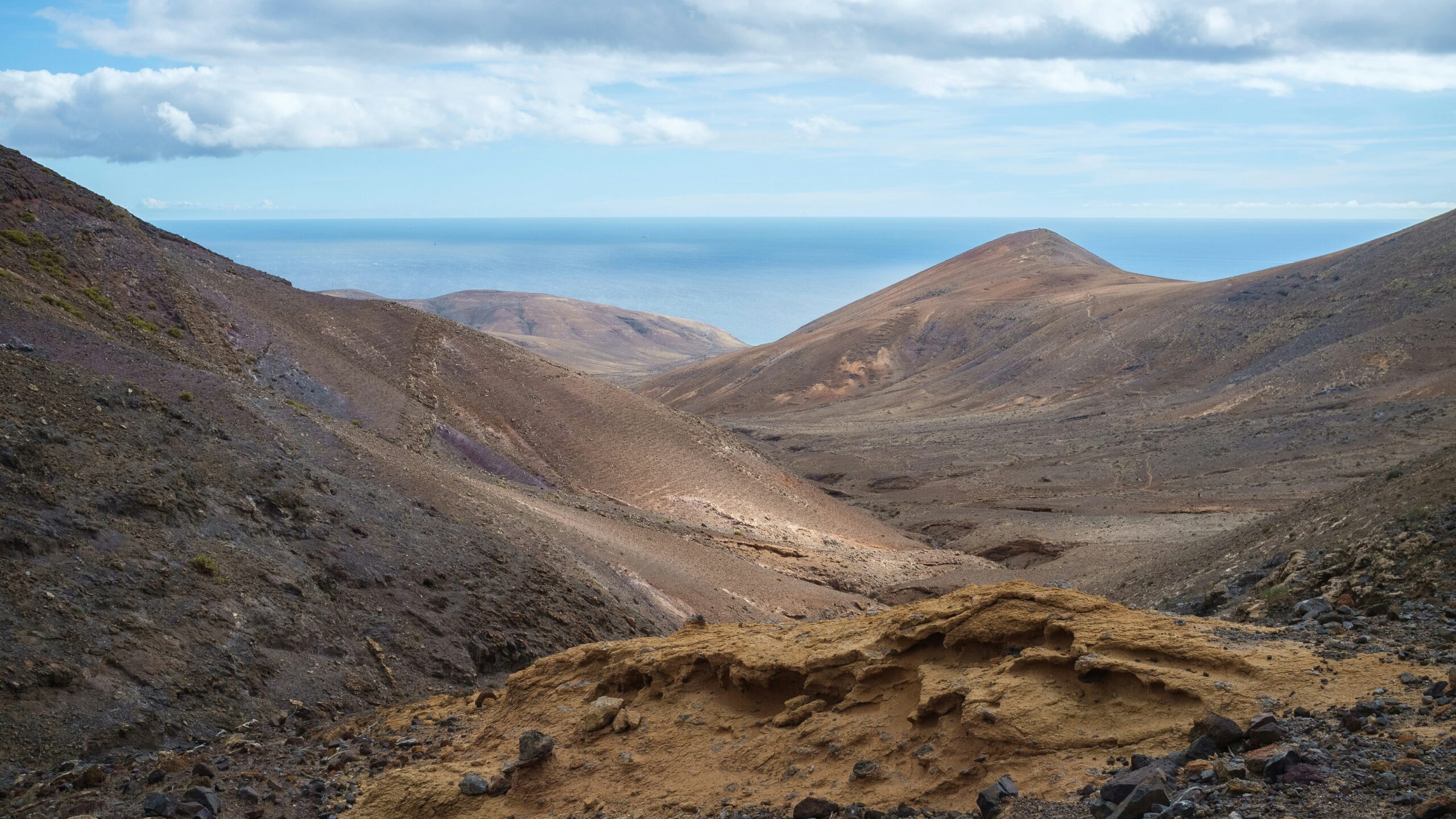
NASA’s Curiosity and Perseverance rovers capture sweeping Mars panoramas (video) – Image for illustrative purposes only (Image credits: Unsplash)
Separated by more than 2,300 miles on the Red Planet’s surface, NASA’s Curiosity and Perseverance rovers recently assembled immense 360-degree panoramas that lay bare two profoundly different slices of Mars’ deep past. These vast images, stitched from hundreds of photographs each, capture rugged landscapes etched by groundwater, ancient lakes, and volcanic origins billions of years ago. The views underscore how the rovers, operating in tandem yet worlds apart, are piecing together the story of a once-wetter Mars with clues to its potential habitability.[1][2]
Contrasting Vistas from Distant Horizons
Curiosity’s panorama emerged from 1,031 snapshots taken between November 9 and December 7, 2025, in the Gale Crater’s foothills near Mount Sharp. This 1.5-billion-pixel mosaic reveals a labyrinth of low ridges known as boxwork formations, which resemble spiderwebs from orbit. Groundwater once surged through fractures in the bedrock there, depositing minerals that fortified the rock against erosion over eons.[1]
Meanwhile, Perseverance compiled its view from 980 images captured from December 18, 2025, to January 25, 2026, at a spot dubbed “Lac de Charmes” beyond Jezero Crater’s rim. The scene frames primordial rocks and the crater’s edge, remnants of Mars’ earliest geological epochs. These panoramas highlight the rovers’ divergent paths: one ascending through progressively younger layers, the other delving into some of the solar system’s most ancient terrain.[1]
| Rover | Location | Images & Dates | Key Features |
|---|---|---|---|
| Curiosity | Gale Crater, Mount Sharp foothills | 1,031 (Nov. 9–Dec. 7, 2025) | Boxwork ridges from groundwater |
| Perseverance | Jezero Crater rim (“Lac de Charmes”) | 980 (Dec. 18, 2025–Jan. 25, 2026) | Ancient crater rocks, volcanic origins |
Curiosity’s Ascent Reveals Layered History
The nearly 15-year-old Curiosity has spent over a decade traversing Gale Crater since its 2012 landing. Early on, the rover confirmed that an ancient lakebed there harbored chemistry and nutrients suitable for microbial life. Since 2014, it has scaled Mount Sharp, a 3-mile-high mound built from lake sediments interspersed with drier-era deposits from recurring ponds and streams.[2]
As the rover climbs, it moves from older to younger strata, effectively rewinding Mars’ geological clock. Recent findings include siderite, a mineral that may trap carbon dioxide from a long-lost thicker atmosphere dissolved in ancient waters. The mission also identified unusually large organic molecules in drilled samples, including long-chain hydrocarbons reminiscent of fatty acids, and this year unveiled the most varied suite of organics yet, with seven newly detected on Mars.[1]
Perseverance Delves into Crater Origins
Perseverance touched down in Jezero Crater in 2021 to probe its ancient rocks for signs of past life. The crater floor solidified from molten rock billions of years ago, later hosting a river-fed lake that deposited microbe-friendly sediments. In 2024, the rover examined “Cheyava Falls,” a rock featuring “leopard spots” akin to microbial signatures seen on Earth.[1]
Unlike its counterpart, Perseverance caches intact core samples – 23 aboard so far, plus a depot cache – for potential return to Earth. These will allow advanced lab scrutiny beyond the rover’s onboard tools. The mission has also recorded novel phenomena, such as electrical sparks in dust devils and visible auroras from Mars’ surface.[2]
Water’s Ghost in Frigid Deserts
Today’s barren, frozen expanses belie Mars’ dynamic history preserved in these panoramas. Boxwork at Curiosity’s site testifies to subsurface water flows long after surface lakes vanished. Jezero’s layers chronicle a shift from volcanic formation to watery deposition, hinting at episodic habitability.[1]
- Groundwater minerals created erosion-resistant ridges in Gale Crater.
- Jezero Crater transitioned from lava to lake sediments.
- Recurring water events shaped Mount Sharp’s stratified layers.
Such evidence builds a narrative of a planet that supported liquid water intermittently for billions of years, fostering conditions where life might have taken hold.
Pathways to Future Revelations
These panoramas mark milestones in ongoing quests. Curiosity now targets sulfate-rich layers higher on Mount Sharp, while Perseverance eyes exceptionally old sites like “Singing Canyon.” Together, the rovers bridge Mars’ primordial violence to its habitable interludes, with sample returns promising deeper insights. As Earth-based analysis looms, the Red Planet’s watery legacy continues to reshape our understanding of its past – and perhaps its possibilities.[1]