

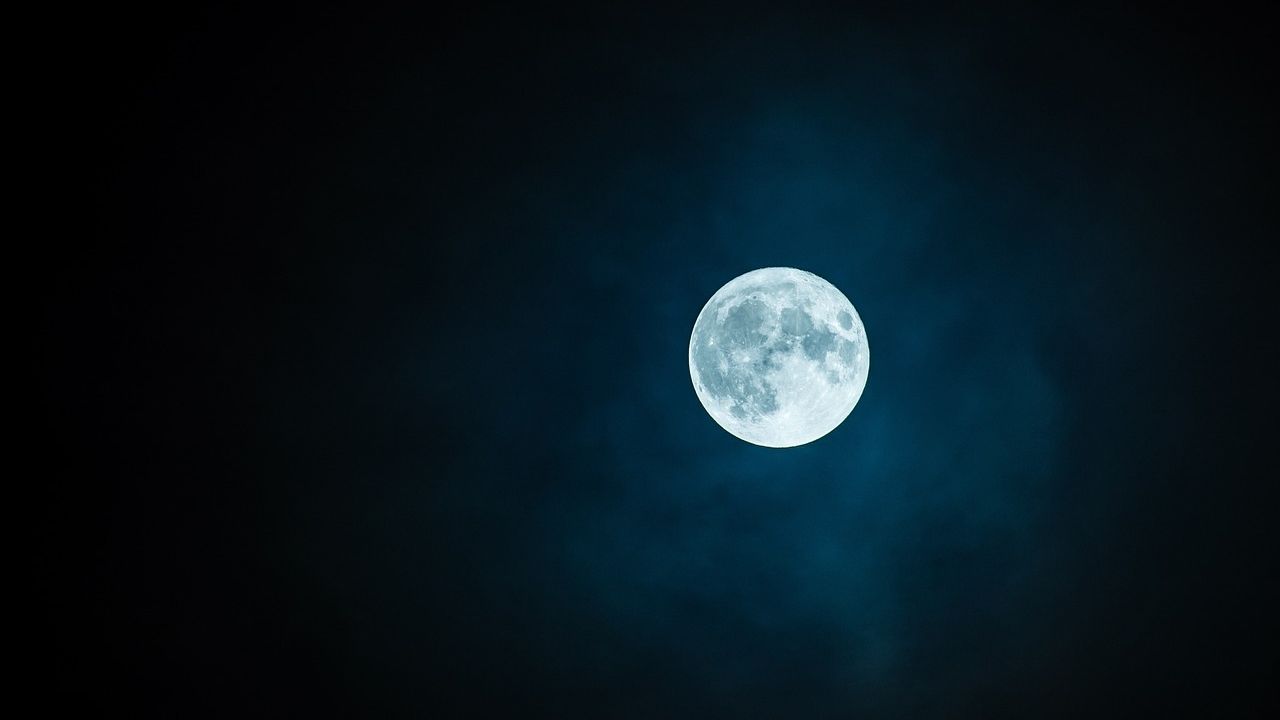
Full moon alert: May’s Flower ‘micromoon’ will look extra small tonight, with a rare Blue Moon following – Image for illustrative purposes only (Image credits: Pixabay)
Skywatchers stepping outside after sunset today will notice something subtly different about the full moon cresting the horizon. This year’s Flower Moon on May 1 arrives as a micromoon, positioned at its farthest point from Earth, making it appear noticeably smaller and dimmer than usual.[1][2] The event marks the start of a rare month with two full moons, offering ample chances for evening observations amid spring’s budding landscapes.
A Distant Dance: Understanding the Micromoon Phenomenon
The moon’s elliptical orbit around Earth creates moments of dramatic contrast. At apogee, its farthest reach, the moon sits roughly 400,000 kilometers away, leading to a full moon up to 14 percent smaller in diameter and 30 percent less bright compared to average.[3] Tonight’s Flower Moon qualifies under this definition, coinciding closely with apogee.
Astronomers note that such alignments happen several times a year, but pairing two micromoons in one month stands out. Observers often describe the effect as a more delicate glow, ideal for pairing with city lights or rural horizons without overwhelming the scene.[4] The peak illumination occurred this afternoon at 1:23 p.m. EDT, but the moon’s rise shortly after sunset delivers the prime viewing window.
Flower Moon Roots: Names Tied to Seasonal Renewal
Native American tribes, including the Algonquin, named May’s full moon for the profusion of wildflowers blanketing landscapes after winter’s thaw. European settlers adopted similar terms like “Mother’s Moon” or “Corn Planting Moon,” reflecting agricultural rhythms.[5] These labels endure in modern almanacs, connecting ancient observations to contemporary stargazing.
This micromoon version adds a twist to the tradition. Rather than dominating the sky, its subdued presence invites closer scrutiny, perhaps through binoculars to discern subtle craters against a softer glow. The constellation Libra frames the scene, with the moon shining steadily through the evening hours.
The Blue Moon Sequel: May’s Second Celestial Surprise
Just weeks later, on May 31, the month closes with another full moon – a blue moon by calendar definition, as the second in a single month. This one peaks early at 4:45 a.m. EDT, also qualifying as a micromoon right before apogee on June 1.[5][6] Such doubles occur roughly every 2.7 years, but both being micromoons elevates the rarity.
The configuration means 2026 claims 13 full moons total, one more than the usual dozen. Late-night viewers on the 31st might catch it low in the sky before dawn, casting a gentle light over early morning routines.
Key Lunar Facts for May 2026
– Flower Micromoon: May 1, peaks 1:23 p.m. EDT
– Blue Micromoon: May 31, peaks 4:45 a.m. EDT
– Both ~14% smaller, 30% dimmer than average full moons
– Visible worldwide under clear skies
Tips for Catching These Subtle Spectacles
Clear horizons face east after sunset tonight for the Flower Moon’s dramatic rise, often tinged orange by atmospheric layers. Urban dwellers should seek parks or elevated spots to minimize light pollution.
- Arrive 30 minutes post-sunset for the “moon illusion” effect, where it looms large near trees or buildings before shrinking to true size.
- Use apps like Stellarium for precise rise times by location.
- Pair with photography: longer exposures capture the dimmer glow without overexposure.
- For the blue moon, set alarms for pre-dawn on May 31; coastal areas may see it over water.
- Check weather forecasts – clouds could obscure but often part for lunar events.
Families planning outdoor time this May gain double opportunities to share the sky’s quiet wonders. These micromoons remind viewers of the moon’s ceaseless journey, far from dramatic supermoons yet profoundly steady.
As spring advances, the pair underscores nature’s precise cycles, inviting a pause amid daily haste. Whether through a telescope or naked eye, May’s lunar duo promises moments of serene connection for anyone who looks up.