

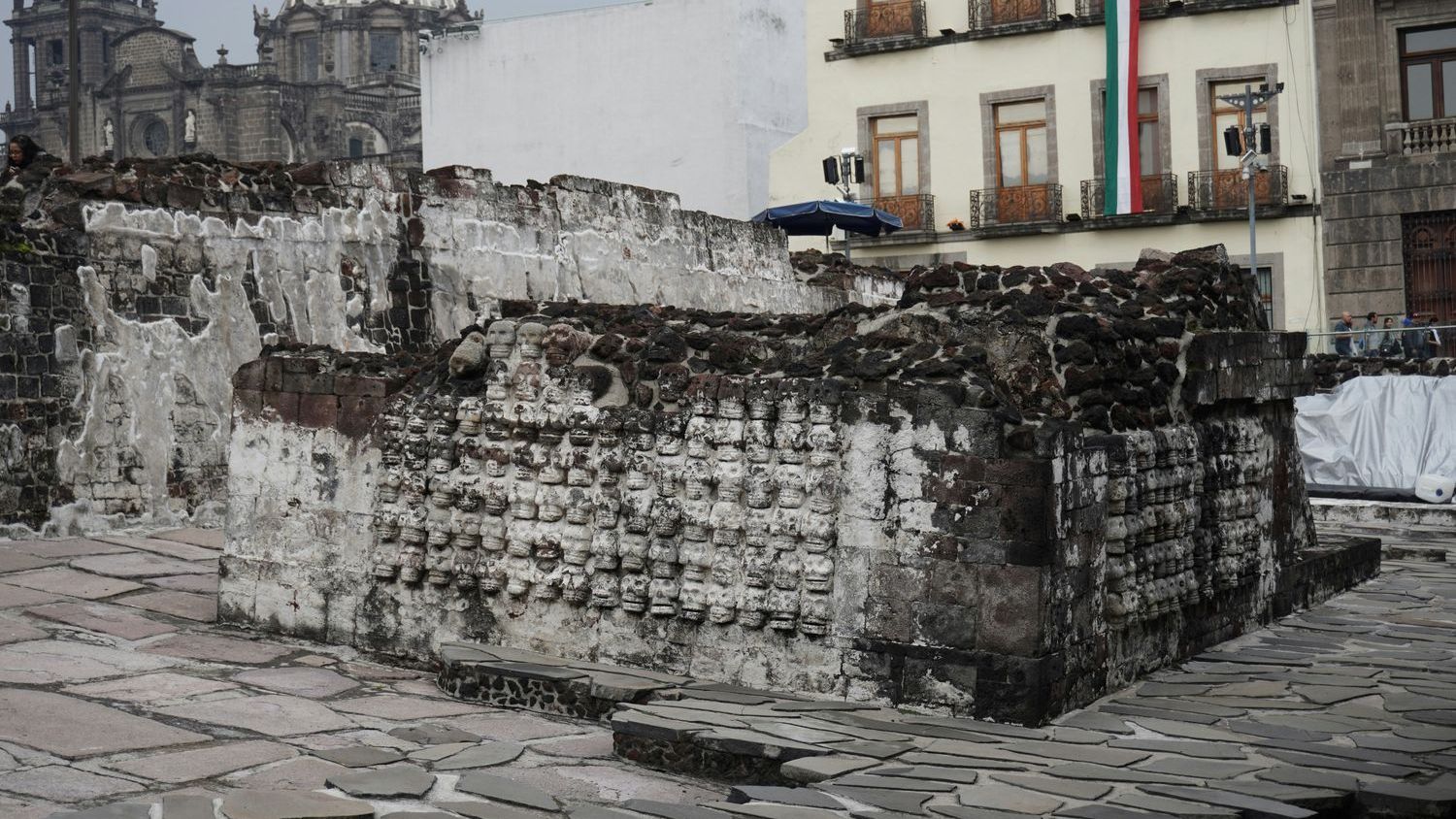
Mexico City is sinking up to 14 inches per year, satellite images show – Image for illustrative purposes only (Image credits: Unsplash)
Mexico City — Fresh observations from space have confirmed the relentless subsidence afflicting this sprawling metropolis of 22 million residents. Satellite measurements reveal the ground dropping by nearly 10 inches annually in recent periods, while earlier data pinpointed rates up to 14 inches per year in vulnerable zones.[1][2] Resting atop the compressed sediments of a former lakebed, the city contends with uneven sinking that tilts landmarks and strains vital systems. This phenomenon, tracked with unprecedented precision, underscores the interplay between urban growth and geological limits.
Tracking Descent from Orbit
NASA’s NISAR satellite, a collaboration with India’s space agency, captured subsidence rates between late October 2025 and mid-January 2026. Parts of the city subsided by more than half an inch per month, equating to about 9.5 inches over a year.[2] Dark blue hues on the resulting maps highlight hotspots around icons like the Angel of Independence and Benito Juarez International Airport. The L-band radar penetrates clouds and operates day or night, delivering millimeter-accuracy data every 12 days.
Earlier satellite studies using InSAR techniques documented even steeper drops. Rates exceeded 15 inches annually in some eastern sectors during the 1990s and 2000s, with peaks near 15 inches in isolated spots.[3] These tools have evolved from sporadic snapshots to continuous monitoring, revealing patterns tied to subsurface shifts.
Geological Legacy Fuels the Fall
Mexico City originated on the shores of Lake Texcoco, a shallow basin drained centuries ago for expansion. The underlying clay-rich soils compact irreversibly when deprived of water, much like a squeezed sponge. Urban weight exacerbates this, as buildings and pavement press down on the yielding earth.
Groundwater extraction sustains much of the population’s needs, yet it has depleted aquifers dramatically. Pumping began accelerating in the early 20th century, with an engineer noting the issue as early as 1925. Over decades, this practice shrank the water table, triggering subsidence that has persisted for more than 100 years.[2]
Infrastructure Bears the Brunt
Uneven sinking fractures roads, buckles pipelines, and warps structures across the 3,000-square-mile urban expanse. The Metro system suffers repeated damage, while drainage and water lines fail under shifting ground. Historic sites show visible strain: the Metropolitan Cathedral, started in 1573, leans noticeably from differential settling.
At the Angel of Independence, erected in 1910, crews added 14 steps to its pedestal as the plaza sank around it. The main airport faces similar threats, complicating operations for millions. Enrique Cabral, a geophysics researcher at the National Autonomous University of Mexico, described the toll: “It damages part of the critical infrastructure of Mexico City, such as the subway, the drainage system, the water, the potable water system, housing and streets. It’s a very big problem.”[1]
Affected Hotspots:
- Angel of Independence monument
- Benito Juarez International Airport
- Metropolitan Cathedral
- Eastern industrial zones
- Metro lines and surrounding streets
Water Woes Compound the Crisis
Subsidence and scarcity form a vicious cycle. As aquifers contract, water supplies dwindle, forcing greater reliance on distant sources trucked into the valley. Recent shortages prompted government action, including boosted research funding.
NISAR project scientist Paul Rosen highlighted the data’s value: “It’s basically documentation of all of these changes within a city. You can see the full magnitude of the problem.”[4] Cabral added that Mexico City boasts “one of the fastest velocities of land subsidence in the whole world.” Over less than a century, some areas have dropped more than 39 feet.
Charting a Steadier Future
Authorities now leverage satellite insights for targeted interventions, from recharging aquifers to regulating extraction. Long-term strategies emphasize sustainable sourcing and resilient design. While challenges loom large, precise monitoring offers a roadmap to mitigate further descent.
Craig Ferguson, NASA’s NISAR deputy project manager, noted that such images “confirm that NISAR’s measurements align with expectations.”[2] As data accumulates, planners gain tools to safeguard this vibrant hub against its shifting foundation. The city’s resilience will hinge on balancing growth with the fragile ground beneath.