

Somewhere between the chemistry of a sleeping pill and the ritual of swallowing it, something else happens. The brain, it turns out, doesn’t always need the active ingredient to produce a real response. This is the quiet, unsettling idea at the heart of open-label placebo research, and it’s now being applied to one of the most stubborn health problems of our time.
Sleep loss is not a niche complaint. An estimated 852 million adults worldwide meet the clinical definition of insomnia, translating to a global prevalence of roughly 16 percent. Insomnia is often a chronic condition, with a persistence rate of around 40 percent over a five-year period. Against this backdrop, the idea that an honestly labeled sugar pill might help even a fraction of those people is worth taking seriously.
What an Open-Label Placebo Actually Is
The traditional assumption in medicine has long been that deception is necessary to trigger a placebo effect, which has recently been called into question by open-label placebo (OLP) trials. OLP trials involve administering a placebo treatment with full disclosure that the treatment is, in fact, a placebo, meaning there is no deception. This is the fundamental difference from conventional clinical trial design, where patients are typically kept unaware of whether they’re receiving an active drug or a dummy pill.
Against their widespread use, it was long assumed among researchers that placebos must be deceptively prescribed for beneficial effects to be elicited. A new program of research in placebo studies, however, indicates that it may be possible to harness placebo effects in clinical practice via ethical, non-deceptively prescribed open-label placebos. The implications for clinical medicine are significant, especially for conditions like insomnia where dependency risks from conventional drugs remain a real concern.
The Landmark Study That Started the Conversation
Researcher Ted Kaptchuk and colleagues at Harvard tested whether open-label placebo, administered non-deceptively and non-concealed, was superior to a no-treatment control in the treatment of irritable bowel syndrome. The three-week trial involved 80 patients diagnosed using Rome III criteria. The results were surprising: patients who received openly labeled fake pills reported meaningful improvements in symptoms compared to those who received nothing.
The study showed that participants receiving open-label placebo reported greater improvement in IBS symptoms with meaningful clinical impact compared to a control group. Moreover, data suggested that open-label placebo had comparable efficacy to double-blind placebo in IBS. This finding cracked open the assumption, embedded in medicine for decades, that patients needed to be deceived for a placebo to work at all.
The Scale of the Insomnia Problem

Various studies worldwide have shown the prevalence of insomnia in 10 to 30 percent of the population, with some estimates even higher. The burden is not distributed evenly. The overall prevalence of clinically relevant insomnia is higher in females at nearly 19 percent compared to roughly 13 percent in males. These numbers help explain why there’s such intense scientific interest in finding treatments that are both effective and safe over the long term.
Chronic insomnia is associated with a range of adverse outcomes, including fatigue, cognitive impairments, mood disturbances, and diminished daytime functioning, all of which can significantly reduce quality of life. People with insomnia are five times more likely to suffer from depression. The pressure to find low-risk treatments is real, and it’s one reason open-label placebos have attracted attention as a potential option worth studying more seriously.
What Happens in the Brain When a Placebo Works
Research published in Nature Neuroscience found that placebo treatments can modulate emotions, while research highlighted that placebo effects are genuine psychobiological phenomena attributable to the overall therapeutic context. This is not just psychology in the dismissive sense. One of the most significant advances in placebo research has been the discovery of specific neurobiological pathways activated by placebo treatments. Studies using advanced brain imaging techniques such as PET and fMRI have shown that placebo-induced changes in brain activity involve tangible biological processes.
One notable study demonstrated that placebos activate the nigrostriatal pathway, a critical component of the brain’s dopamine system. Patients who believed they were receiving dopamine-enhancing medication experienced a real release of dopamine. Placebo effects are grounded in activations of endogenous opioidergic, dopaminergic, and endocannabinoid systems and are viewed as critical factors contributing to clinical outcomes and a sense of well-being. This neurobiological groundwork helps explain why a pill with no active ingredient can, in some circumstances, shift how a person actually feels.
What the Research on Open-Label Placebos for Insomnia Shows
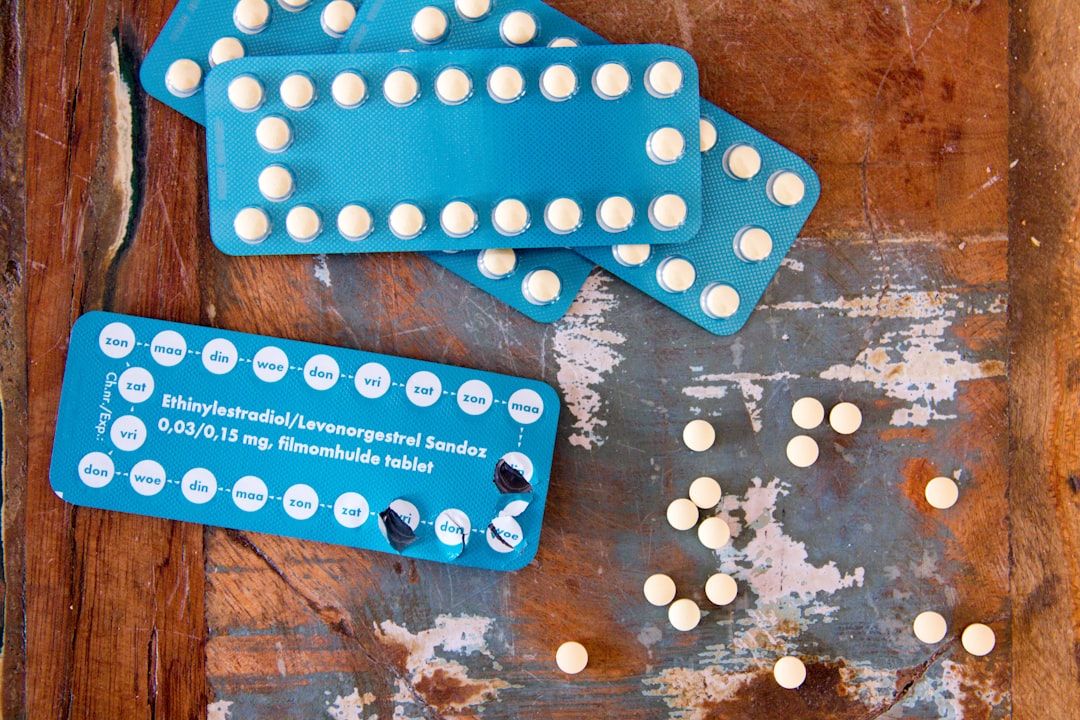
There is growing evidence of substantial placebo effects in the treatment of insomnia. According to meta-analyses including various pharmacological agents, up to two-thirds of symptom improvement in treatment groups of clinical trials on primary insomnia also occurred in the placebo groups. This sets a high bar for active treatments, but it also hints that the placebo mechanism itself is unusually potent when it comes to sleep.
One randomized controlled trial indicates that open-label placebo can improve healthy participants’ sleep quality with medium to large effect sizes. Clinical findings indicate that OLP treatment seems to be particularly effective in conditions which are responsive to placebo effects in general. Therefore, it seems likely that insomnia patients may benefit from OLP treatment. Still, findings from at least one experimental study neither confirm the general efficacy of OLP in primary insomnia nor differential effects depending on the treatment rationale. Possible explanations lie in the dosing scheme, provision of the OLP rationale by video, and the experimental rather than therapeutic character of the investigation. Trials with larger samples and longer-term OLP treatment in insomnia are needed.
Why the Setting and Delivery Matter So Much
Research reveals that placebos with a plausible rationale are more effective than without a rationale, and the ubiquitously assumed necessity of concealment in placebo administration is questioned. In other words, how the placebo is introduced, explained, and framed appears to matter just as much as the act of taking it. This has practical implications for how any future clinical use of open-label placebos might be designed.
Possible explanations for inconsistent results lie in the dosing scheme, the provision of the OLP rationale by video rather than in person, and the experimental instead of therapeutic character of some investigations. Trials with larger samples and longer-term OLP treatment in insomnia are needed. Providing the rationale face-to-face and in a clinical setting might be additionally beneficial. This matters practically. A busy telehealth interaction and a warm, in-person clinical conversation are likely to produce quite different placebo responses.
The Broader Landscape: Open-Label Placebos Beyond Sleep

Across a systematic review and meta-analysis of randomized controlled trials, open-label placebos yielded a small positive effect across various health-related outcomes, with a standardized mean difference of 0.35. In different medical conditions, positive clinical effects of open-label placebos have been found, for example in irritable bowel syndrome and chronic pain. The effect sizes are modest, but they are measurable and reproducible across independent research groups.
Several recent randomized controlled trials, including patients with irritable bowel syndrome, chronic low back pain, and episodic migraine, have demonstrated that individuals receiving open-label placebo can still experience symptomatic improvement and benefit from honestly described placebo treatment. Despite the transparency in their administration, open-label placebos seem to still generate positive effects on certain psychological and physiological symptoms or conditions. What this research collectively suggests is that the mind’s capacity to initiate a healing response doesn’t require being fooled into it.
Where This Fits in the Broader Treatment Picture
Placebo interventions likely carry fewer adverse events than pharmacological interventions and have lower cost than psychological interventions. This makes them an appealing area of study as clinicians look for ways to reduce reliance on sleep medications, which come with well-documented risks including dependency and tolerance over time. Open-label placebos carry no such pharmacological risk by definition.
Cognitive behavioral therapy for insomnia remains the most rigorously supported treatment for chronic insomnia, and that picture hasn’t changed. Open-label placebos are not a replacement but rather an area of ongoing scientific curiosity, one that asks a deeper question: what exactly is a treatment? Over time, the perception of placebos has evolved from being considered inert treatments to active components in clinical research. This shift has been driven by advances in neuroscience, which have uncovered the biological processes underlying placebo effects. The “placebo peak” in this context isn’t a manipulation. It may simply be the brain doing what it does best, responding to context, expectation, and care, and producing something real in return.