

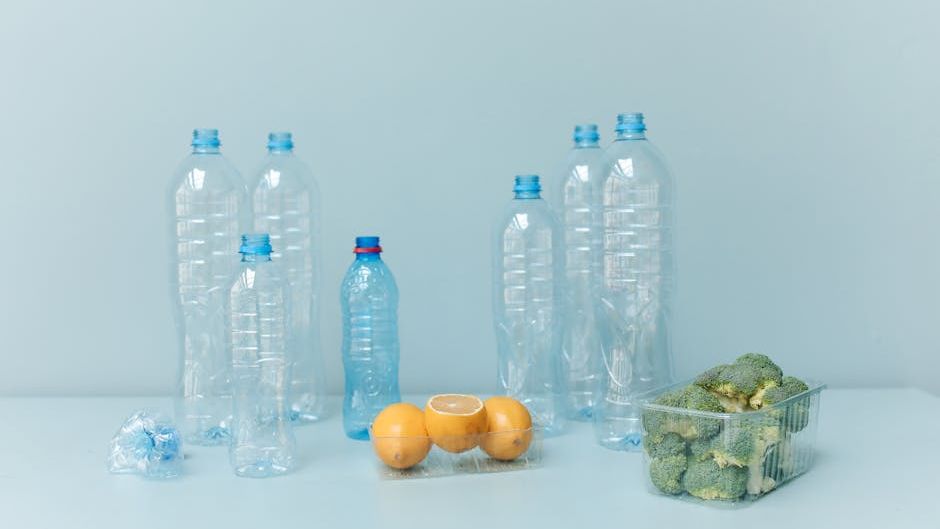
Experts warn price hikes on the way for common household goods under extreme ‘green’ bill – Image for illustrative purposes only (Image credits: Pexels)
New York – Shoppers pushing carts through grocery aisles stocked with towering packs of toilet paper and diapers might soon notice changes to those familiar plastic wraps. Lawmakers have revived a controversial bill that mandates sharp reductions in such packaging, aiming to curb the state’s mounting waste crisis. Critics, however, argue the measure will drive up prices and leave essential goods vulnerable to damage.
The Core of the Packaging Reduction Act
The Packaging Reduction and Recycling Infrastructure Act, sponsored by Assemblymember Deborah Glick and Senator Peter Harckham, targets companies with annual net income over $5 million that sell or distribute packaged products.[1][2] Manufacturers must cut non-reusable packaging by 10 percent within three years and 30 percent over 12 years. The legislation also sets escalating targets for reusable, refillable, and recyclable materials, reaching 20 percent reusable and 75 percent recyclable by 2055.
Non-compliant firms face fees directed toward recycling infrastructure. Proponents highlight New York’s daily per-person trash output of nearly five pounds, positioning the bill as a shift from taxpayer-funded waste management to producer responsibility.[1] Similar extended producer responsibility programs exist in states like California, Maine, and Minnesota.
Industry Alarms Over Damaged Goods and Price Tags
Packaging experts warn that ditching lightweight plastic films will expose products to moisture and contamination. Toilet paper, paper towels, and diapers – staples protected by these wraps – could arrive at stores soggy or unsanitary, leading to higher spoilage and replacement expenses.[1][3]
“Even with its recent amendments it will eliminate the plastic film packaging that keeps essential products like toilet paper, paper towels, and diapers dry and sanitary,” stated Dan Felton, president and CEO of the Flexible Packaging Association. “Without it, retailers and consumers face increased product damage, higher replacement costs, and less reliable shelf availability.”[1]
Supermarket representatives echo these fears, particularly for independent stores in working-class neighborhoods. Nelson Eusebio, director of government affairs for the National Supermarkets Association, noted that supply chain disruptions from unviable alternatives would ripple to checkout lines. The Consumer Brands Association cited independent studies projecting an extra $700 annually in grocery costs for a family of four.[4]
Paper-based substitutes, they argue, demand more material and energy, add weight to shipments, and fail to match plastic’s protective qualities during handling or weather exposure. This section of the debate underscores a longer-standing tension: balancing environmental aims with practical product integrity.
Environmental Advocates Push Back with Savings Projections
Supporters counter that the bill addresses a plastic waste epidemic, with recycling rates for such materials hovering below 10 percent. Groups like Beyond Plastics emphasize taxpayer relief, projecting $1.3 billion in municipal savings over a decade across New York communities.[2]
Judith Enck, founder of Beyond Plastics and former EPA regional administrator, declared, “New Yorkers are drowning in plastic waste, and for too long, taxpayers have been stuck with the bill while multi-billion-dollar companies pump toxic chemicals into our communities.” The measure also phases out 17 hazardous substances in packaging, promoting job growth in reuse and remanufacturing sectors.[1]
Amendments, Stalled Progress, and What’s Next
The bill passed the state Senate in May 2025 but faltered in the Assembly amid industry pushback. Sponsors introduced 150 amendments, including delayed deadlines and concessions to industry input, to build broader support.[1][2]
Assemblymember Glick insisted, “New York is facing a growing solid waste and pollution crisis, and the Packaging Reduction and Recycling Infrastructure Act is a real solution that must be passed this year.” Senator Harckham added that revisions created a “middle ground” poised to save millions while safeguarding the environment. Yet opponents, including the Business Council of New York State, maintain the targets exceed those in peer states, threatening business operations and consumer access.[1]
With the 2026 legislative session underway, negotiations continue alongside broader climate talks under Governor Kathy Hochul. Over 300 organizations, including environmental justice groups and counties, back the effort, while polls show strong public favor for curbing excess packaging.
As New York grapples with landfill strains and household budgets, the Packaging Reduction Act embodies a pivotal choice: bold steps against waste or safeguards for affordable, reliable essentials. Resolution could reshape store shelves – and wallets – for years to come.