

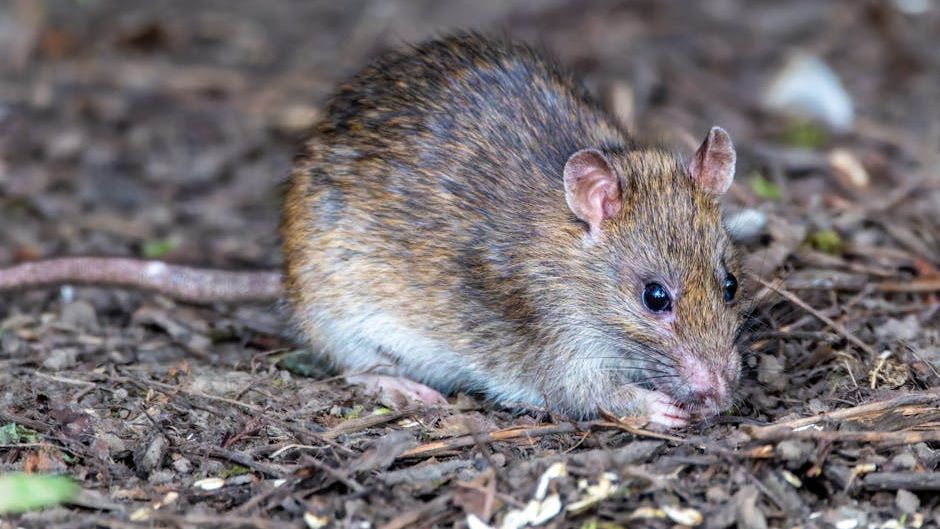
How hantavirus may have spread aboard a cruise ship – Image for illustrative purposes only (Image credits: Pexels)
A Dutch expedition cruise ship carrying nearly 150 passengers and crew members from 23 nationalities has become the unlikely setting for a rare hantavirus outbreak, with three deaths reported and several others ill. The MV Hondius, anchored off the coast of Cape Verde in West Africa, highlights the vulnerabilities of remote voyages even on modern vessels designed for polar extremes.[1][2] Health authorities now investigate whether the virus, typically carried by rodents, spread before or during the journey from Argentina through Antarctic waters.
A Timeline of Illness and Loss
The outbreak unfolded gradually over weeks aboard the MV Hondius. The first sign came on April 11, when a 70-year-old Dutch man died onboard, though the cause remained unclear at the time.[3] His wife, aged 69, accompanied his body when it was offloaded at St. Helena on April 24. She fell ill during repatriation and died in a Johannesburg hospital on April 26 or 27; tests later confirmed hantavirus in her system on May 4.[1]
On April 27, a British passenger required urgent evacuation to South Africa, where he entered intensive care; he too tested positive for the virus.[2] Then, on May 2, a German passenger died aboard the ship.[3] By early May, two crew members – one British and one Dutch – developed acute respiratory symptoms, prompting further concern. The World Health Organization tallied seven cases as of May 4: two laboratory-confirmed, three deaths, one critical patient, and three with milder symptoms.[4]
The Rare Threat of Hantavirus at Sea
Hantavirus primarily spreads when people inhale dust contaminated by urine, droppings, or saliva from infected rodents. In the Americas, the Andes strain – now linked to this cluster – carries a high fatality rate of up to 50 percent and stands alone among hantaviruses in its documented potential for limited human-to-human transmission among close contacts.[2][5] Symptoms start with fever, chills, headaches, and gastrointestinal distress, escalating rapidly to severe respiratory failure.
Officials suspect the Dutch couple contracted the virus in Argentina before boarding on April 1, possibly during pre-voyage excursions in rodent-prone areas like landfills or wildlife spots.[6] No rodents have been found on the ship, reducing fears of onboard infestation. Still, WHO’s Maria Van Kerkhove noted that close quarters may have enabled secondary spread: “We do know that some of the cases had very close contact with each other, and certainly human-to-human transmission can’t be ruled out.”[2]
From Antarctic Waters to Atlantic Standoff
The MV Hondius, an ice-strengthened vessel built for rugged polar expeditions, left Ushuaia, Argentina, for a 42-night Atlantic Odyssey. Guests anticipated whale watching, Zodiac landings, and visits to remote outposts like Antarctica, St. Helena, and Ascension Island.[6] The small ship – accommodating up to 196 but sailing with 88 passengers and 61 crew – emphasizes adventure for fit travelers up to their 80s.
By May 3, the ship reached Cape Verde but anchored offshore at Praia’s request. Medical teams in protective gear boarded via smaller boats, delivering supplies and assessments amid deserted decks.[1] Passengers like Qasem Elhato described a tense but orderly wait: “Our days have been close to normal… morale on the ship is high and we’re keeping ourselves busy with reading, watching movies.”[1] Fresh produce arrived to sustain the group under Oceanwide’s highest alert protocols: isolation, hygiene, and monitoring.
Global Response and Path Forward
Cape Verde enhanced port safeguards, while South Africa initiated contact tracing. On May 6, three more individuals – a 56-year-old British crew doctor, a 41-year-old Dutch national, and a 65-year-old German – flew to the Netherlands via specialized aircraft.[5] Plans shifted toward Spain’s Canary Islands for disinfection and repatriation, though initial docking requests faced hurdles.[6]
- Cape Verde: Medical support and isolation protocols.
- WHO: Low global risk; urges symptom monitoring for 45 days post-exposure.
- Spain: Coordinating epidemiological screening.
- Ship operator: Full cooperation with Dutch authorities and embassies.
WHO assesses the public health threat as low, advising against travel restrictions.[4] Yet the incident underscores persistent risks in expedition travel, where distant ports meet unpredictable health challenges.
Authorities prioritize evacuations and sanitation to contain spread. Passengers face prolonged uncertainty, but enhanced ship systems – from ventilation upgrades to thermal screening – offer reassurance. The focus remains on early detection and isolation to safeguard the remaining 140-plus aboard.
As the MV Hondius charts its next course, this outbreak serves as a stark reminder of nature’s reach into even the most insulated adventures. Investigations continue to pinpoint the source, ensuring lessons shape safer voyages ahead.