

A Hidden World Beneath the Already Hidden World
It was once believed that only microbes and viruses inhabited the subseafloor crust beneath hydrothermal vents. Yet, on the seafloor, animals like the giant tubeworm Riftia pachyptila thrive. The question was always how they got there, and the answer turned out to be stranger than expected.
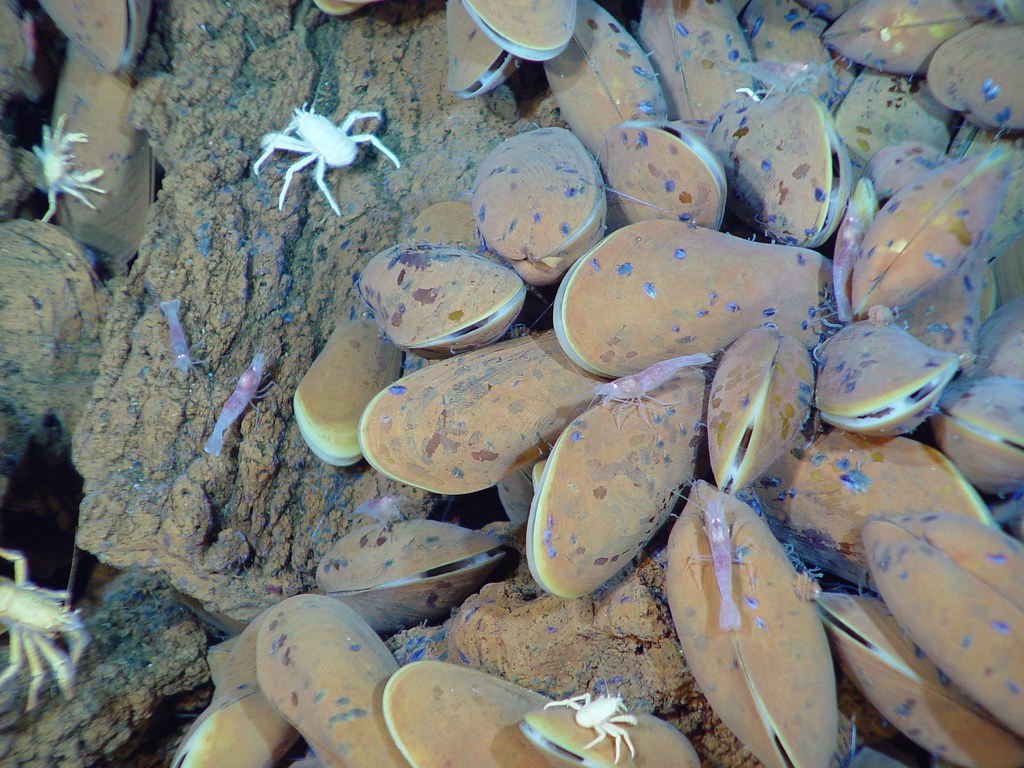
A remotely operated robot, equipped with arms and a camera, lifted sections of seafloor revealing tubeworm larvae underneath. Flipping over rocky sections of the seafloor, it uncovered cavities about four inches deep filled with warm fluid, water mixed with magma, and with species previously only found on top of the seafloor: tubeworms, polychaete worms, and sea snails.
The discovery adds a new dimension to hydrothermal vents, showing that their habitats exist both above and below the seafloor. Scientists have spent the past 46 years studying hydrothermal vents and microbial life in the subsurface, but have never looked for animals under these volcanic hot springs.
The Subseafloor Ecosystem Confirmed by Nature Communications
In their exploration, lifting lobate lava shelves revealed adult tubeworms and other vent animals in subseafloor cavities. The discovery of vent endemic animals below the visible seafloor shows that the seafloor and subseafloor faunal communities are connected.
Using the remotely operated vehicle SuBastian, researchers exposed parts of the subseafloor and uncovered caves connected to the vents teeming with giant tube worms, some reaching up to 1.6 feet long, and other animals. The study, published in Nature Communications in October 2024, made clear that this was not a fluke.
The presence of adult tubeworms suggests larval dispersal through the recharge zone of the hydrothermal circulation system. Given that many of these animals are host to dense bacterial communities that oxidize reduced chemicals and fix carbon, the extension of animal habitats into the subseafloor has implications for local and regional geochemical flux measurements.
Five New Vent Fields Found in the East Pacific in 2024
In March 2024, scientists aboard the research vessel Atlantis announced the discovery of five new hydrothermal vent fields along the East Pacific Rise near 10°N latitude. The expedition, led by Jill McDermott of Lehigh University, employed both the autonomous underwater vehicle Sentry and the human-occupied submersible Alvin in a coordinated approach that accelerated the pace of discovery. Sentry mapped the seafloor at night while Alvin dove during the day, with scientists using the robot’s high-resolution bathymetric data to target likely vent sites for direct exploration.
The team discovered the new deep-sea hydrothermal vent sites on the seafloor at 2,550 meters depth. The coordination between an autonomous robot and a crewed submarine proved remarkably efficient, compressing weeks of searching into focused, targeted dives.
The mid-ocean ridge accounts for more than three quarters of all volcanic activity on the planet, according to the expedition’s co-lead scientist Thibaut Barreyre. It is dotted with thousands of deep-sea hot springs that all together extract roughly ten percent of the Earth’s total internal heat.
Vents at the South Sandwich Islands: Shallow and Surprising
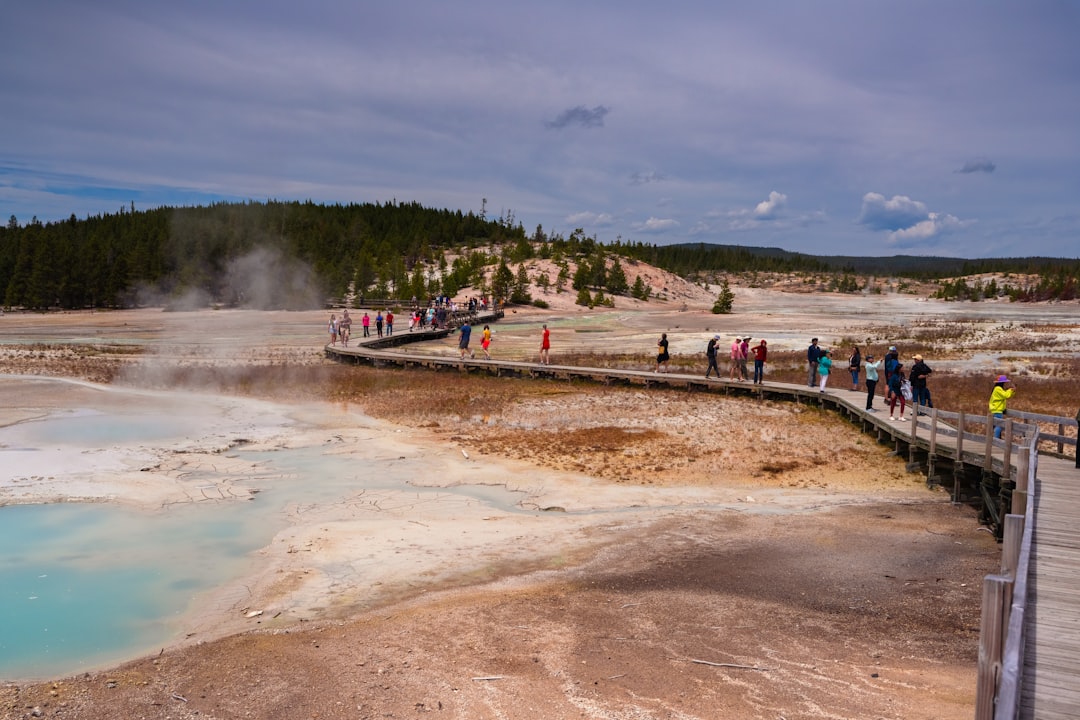
An Ocean Census Flagship expedition found suspected new species, discovered one of the island chain’s shallowest hydrothermal vents, and explored the deepest trench in the Southern Ocean. An international team of scientists on a 35-day deep-sea expedition to one of the most remote island chains in the world observed thriving polar ecosystems, discovered new hydrothermal vents, coral gardens, and many suspected new species.
Researchers discovered hydrothermal vents at 700 meters depth on the northeast side of Quest Caldera, off the South Sandwich Islands. The tallest vent chimney was four meters tall, and they were covered with an array of life, including sea snails and barnacles. The larger pockmark contained three hydrothermal vents, and the smaller contained one.
The Ocean Census Flagship expedition aboard Schmidt Ocean Institute’s research vessel Falkor (too) explored the South Sandwich Islands, including one of the coldest and most isolated submarine trenches on the planet, and also found evidence of explosive volcanism. This was the same expedition that filmed the first confirmed sighting of a juvenile colossal squid.
The Yellow Worm That Turns Poison Into Crystal
The alvinellid worm Paralvinella hessleri is the only animal that colonizes the hottest part of deep-sea hydrothermal vents in the west Pacific. Researchers found that P. hessleri accumulates an exceptionally high level of the toxic element arsenic, exceeding one percent of wet weight, and tolerated elevated concentrations of hydrogen sulphide.
Data suggest that arsenic accumulates within epithelial cell granules, where it likely reacts with sulphide diffused inward from the hydrothermal vent fluid, resulting in the intracellular formation of orpiment minerals. In this “fighting poison with poison” manner, the highly toxic arsenic and sulphide were simultaneously detoxified in the form of orpiment minerals within the intracellular granules of the single layer of epithelial cells.
A bright-yellow worm that lives in deep-sea hydrothermal vents is the first known animal to create orpiment, a brilliant but toxic mineral used by artists from antiquity until the nineteenth century. The findings were published in PLOS Biology in August 2025 by researchers from the Chinese Academy of Sciences.
Chemosynthesis: Life Without Sunlight
The discovery of hydrothermal vents along the Galápagos Ridge in 1977 led to the identification of chemoautotrophic symbiosis and forced marine biologists to reassess the contribution chemosynthesis makes to marine primary production, particularly in the deep sea, where it supports a high biomass in an otherwise food-limited ecosystem.
Microbial communities in hydrothermal vents play a crucial role in the functioning of these extreme environments and have significant ecological and scientific importance, with bacteria being the primary producers in the food chain and important for the cycling of essential elements such as carbon, sulfur, nitrogen, and metals.
At hydrothermal vents, environmental constraints posed by high temperature and toxic compounds may also filter for specific biological traits. Species that host chemoautotrophic symbiotic bacteria, internally or on their body surfaces, are adapted to access reduced compounds and oxygen to provision their symbionts while dealing with the harsh and extreme fluctuations of the environment.
How Functionally Vulnerable Are These Communities?
A global analysis of more than 500 vent species found that regional species pools can be very different in terms of the traits represented, likely due to geological setting and evolutionary history. Moreover, roughly half of the global vent species are functionally unique, and simulations suggest that potential species loss could quickly translate into functional loss across vent regions. This 2024 PNAS study delivered a stark warning about how irreplaceable these systems actually are.
Deep-sea active hydrothermal vents are globally diverse, vulnerable, rare, remote, and isolated habitats, yet they face increasing threats from human activities, including deep-sea mining. While 25% of the known deep active hydrothermal vents are currently under conservation interventions, only 8% benefit from full protection.
The Species Census Keeps Growing
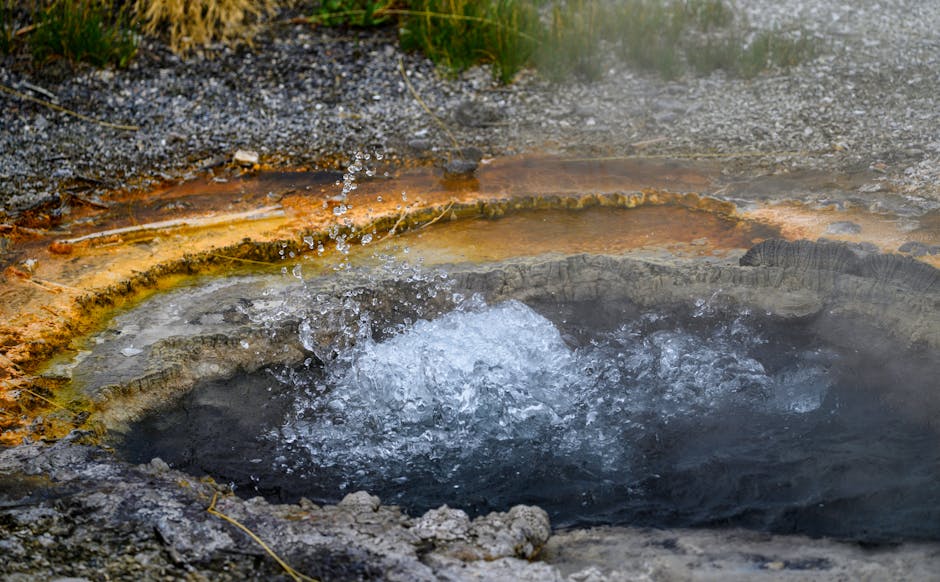
The Nippon Foundation-Nekton Ocean Census, launched to accelerate the discovery of ocean life, has conducted multiple expeditions to hydrothermal regions with remarkable results. By late 2025, the program had catalogued more than 850 previously unknown marine species, many from vent and seep environments.
Among significant findings from the Galapagos are 15 species previously unknown to the region, including a mollusk known as a monoplacophoran or living fossil, and a nursery with eggs of Pacific white rays found in low-temperature hydrothermal vents. This nursery is only the second documented in the world, with a similar one in Canada.
In the summer of 2024, the Arctic Deep EXTREME24 expedition discovered the Freya gas hydrate mounds in the Fram Strait. These were methane seeps at record depths hosting chemosynthetic communities related to those at nearby hydrothermal vents, revealing unexpected connectivity between seeps and vents in Arctic waters.
Deep-Sea Mining: The Threat No One Wants to Talk About
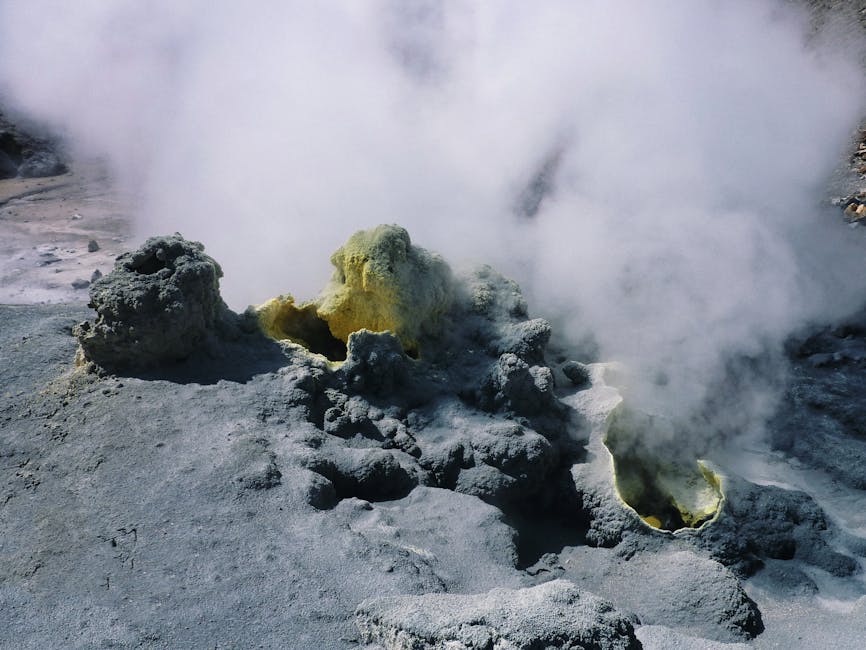
The same mineral deposits that form around hydrothermal vents have attracted commercial interest. Seafloor massive sulfide deposits contain high concentrations of copper, zinc, gold, and silver, metals increasingly in demand for electronics and renewable energy technologies. The International Seabed Authority, established under the United Nations Convention on the Law of the Sea, has already granted exploration licenses for polymetallic sulfide deposits in international waters.
When IUCN Red List criteria were applied to all 184 vent-restricted mollusc species, researchers found that almost two thirds are threatened with extinction by deep-sea mining, with more than 20% listed as critically endangered. That’s a sobering figure, especially for ecosystems where so many species are found nowhere else on Earth.
The team worries that lifting larger pieces, or any form of major drilling such as deep-sea mining, could change the route of hydrothermal vents and redirect them to be expelled at other locations, causing the animal life that clusters around the vents to die.
Vents as a Blueprint for Life Beyond Earth
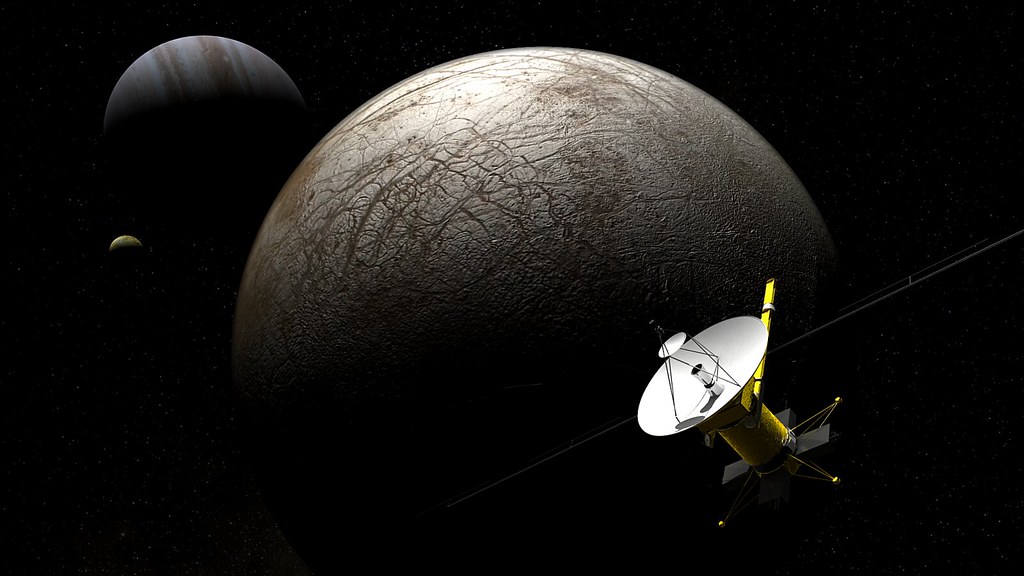
A new study by UC Santa Cruz researchers suggests that lower-temperature vents, which are common across Earth’s seafloor, may help to create life-supporting conditions on “ocean worlds” in our solar system. Ocean worlds are planets and moons that have, or had in the past, a liquid ocean, often under an icy shell or within their rocky interior.
The chemistry at the Lost City hydrothermal field produces not only hydrogen and methane but also simple organic molecules like formate and acetate, potential precursors to more complex biochemistry. Some researchers argue that the compartmentalized, porous structure of alkaline vent chimneys could have provided natural “cells” in which the first biochemical reactions evolved before true biological membranes existed.
NASA’s Europa Clipper spacecraft, launched in October 2024, will conduct detailed reconnaissance of Jupiter’s icy moon beginning in 2030. Among its primary objectives is assessing Europa’s potential habitability, including searching for evidence of hydrothermal activity on its seafloor. The mission will help determine whether Europa’s ocean could support chemosynthetic life similar to that thriving at Earth’s hydrothermal vents.
Conclusion: A Field That Has Only Just Begun
As the authors of the Nature Communications study wrote, “The discovery of animal life beneath the surface of the Earth’s crust raises questions concerning the extent of these ecosystems, which is larger than what can be seen on the seafloor surface.” The study of the subseafloor biosphere for animal life has, in their own words, only just begun.
Over 60% of our planet is covered by water more than a mile deep. The deep sea is the largest habitat on Earth and is largely unexplored. What we’ve seen of vent ecosystems so far is, in all likelihood, a fraction of what’s actually there.
Every major discovery from 2024 and 2025 points in the same direction: the rules we wrote about where life can exist, how it survives, and how ecosystems are structured were written too soon. Hydrothermal vents aren’t just footnotes in marine biology. They may well be the closest thing we have to a window into the origins of life itself, and the urgency to understand them, before mining operations change the picture permanently, has never been greater.