

What the “Petrodollar” Actually Was (and Wasn’t)
The petrodollar story tends to get distorted in both directions. Some treat it as an iron-clad secret treaty; others dismiss it entirely as myth.
The rather mundane truth is that the U.S. and Saudi Arabia formed a Joint Bilateral Commission on Economic Cooperation in the 1970s to strengthen bilateral relations. No formal deal existed stipulating that Saudi Arabia must sell oil in U.S. dollars. In practice, however, Saudi Arabia conducted all its oil deals over the past several decades entirely in dollars.
In a pact born of Cold War pragmatism, oil-exporting nations agreed to price crude in U.S. dollars in exchange for American military protection, arms sales, and strategic partnership. This created a powerful loop: global demand for oil fueled demand for dollars, which in turn fueled demand for U.S. Treasury securities. The dollar became more than a medium of exchange – it became the world’s default reserve currency.
Country #1: Saudi Arabia Opens the Door

In 2024, Saudi Arabia did not formally renew its commitment to pricing oil exclusively with dollars. While the 1974 arrangement was never a formal obligation, Saudi Arabia has still made moves to diversify its trade partners.
In June 2024, the longstanding 50-year exclusivity understanding between the U.S. and Saudi Arabia quietly came to an end. Since then, Riyadh has indicated it will accept payments in Chinese renminbi, euros, and even digital currencies.
Saudi Arabia has seemed to balance both sides. Crown Prince Mohammed bin Salman’s November 2025 announcement of a one trillion dollar investment in the U.S. economy during a White House visit may signal something about where the country’s allegiances ultimately rest. The Saudis are playing a long, careful game.
Country #2: China and the Rise of the Petroyuan

China and Saudi Arabia have signed multiyear oil supply contracts priced and settled in yuan, with some indexed to the Shanghai International Energy Exchange’s yuan-denominated oil futures – a direct challenge to the Brent and WTI benchmarks traditionally priced in dollars.
China’s Cross-Border Interbank Payment System, known as CIPS, adds significant depth to this infrastructure. CIPS processed the equivalent of $245 trillion in yuan-denominated transactions in 2025, providing a real, operational settlement alternative to dollar-denominated SWIFT channels.
As of March 2024, over half of Chinese payments were already being settled in renminbi, while only about 43% were settled in U.S. dollars. The shift isn’t theoretical anymore. It’s being processed, transaction by transaction, every day.
Country #3: Russia Breaks Away After Sanctions
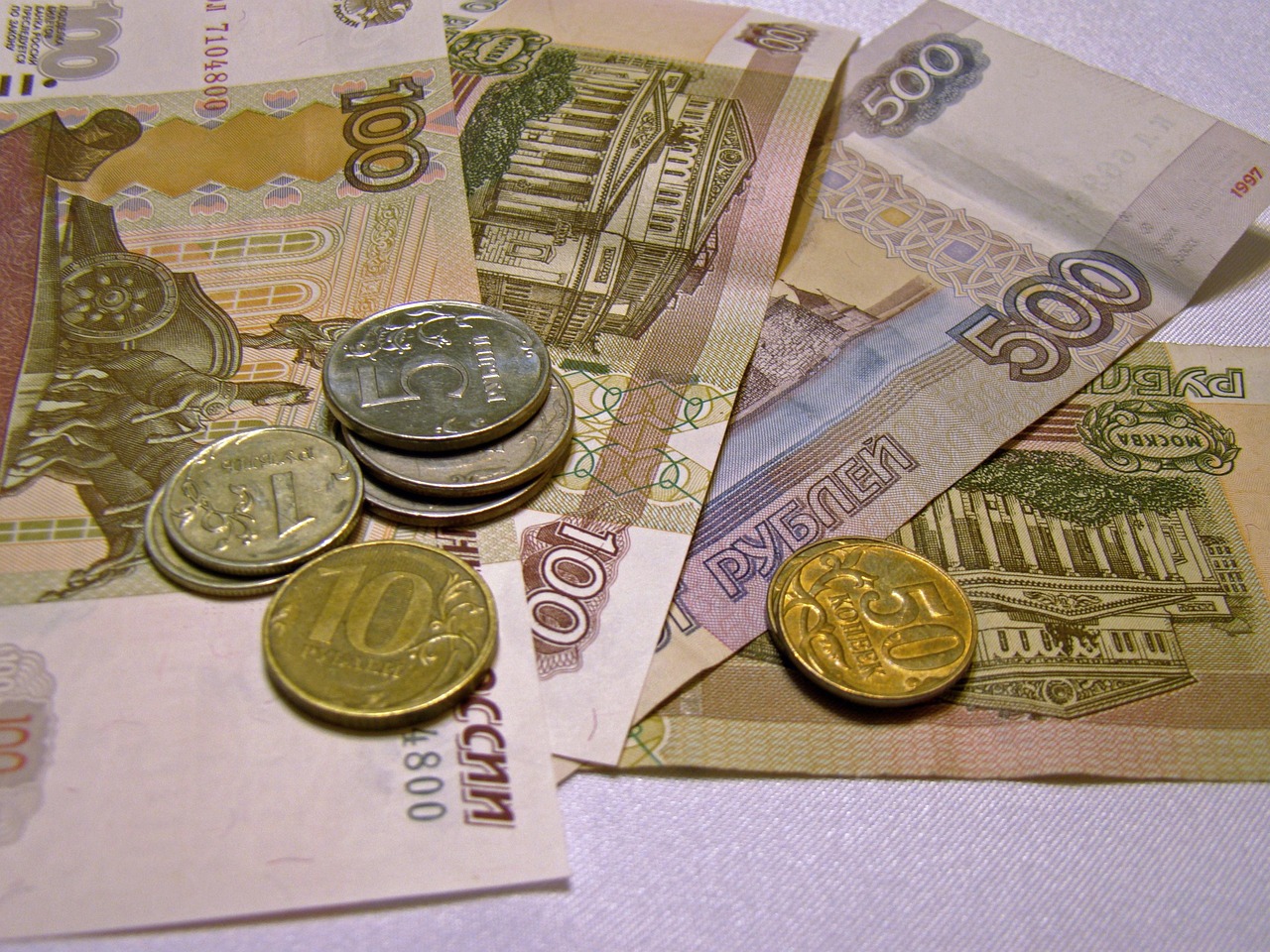
The U.S. was among a handful of countries that imposed sanctions on Russia following its annexation of Crimea. As a result, Russia began de-dollarizing its economy, agreeing with China to a currency swap worth roughly 25 billion dollars.
By 2024, roughly 90% of Russia’s trade within BRICS was conducted in local currencies, with China and India commencing rupee-yuan trade agreements, Brazil using its real, and other member nations using their own local currencies.
Well over 90% of Russia-China trade is now carried out in rubles and yuan. Both countries have also launched an alternative cross-border payment mechanism to the U.S.-dominated SWIFT system. Sanctions pushed Russia into building an alternative architecture, and it has largely succeeded within its own sphere.
Country #4: Iran Sells Oil Entirely Outside the Dollar
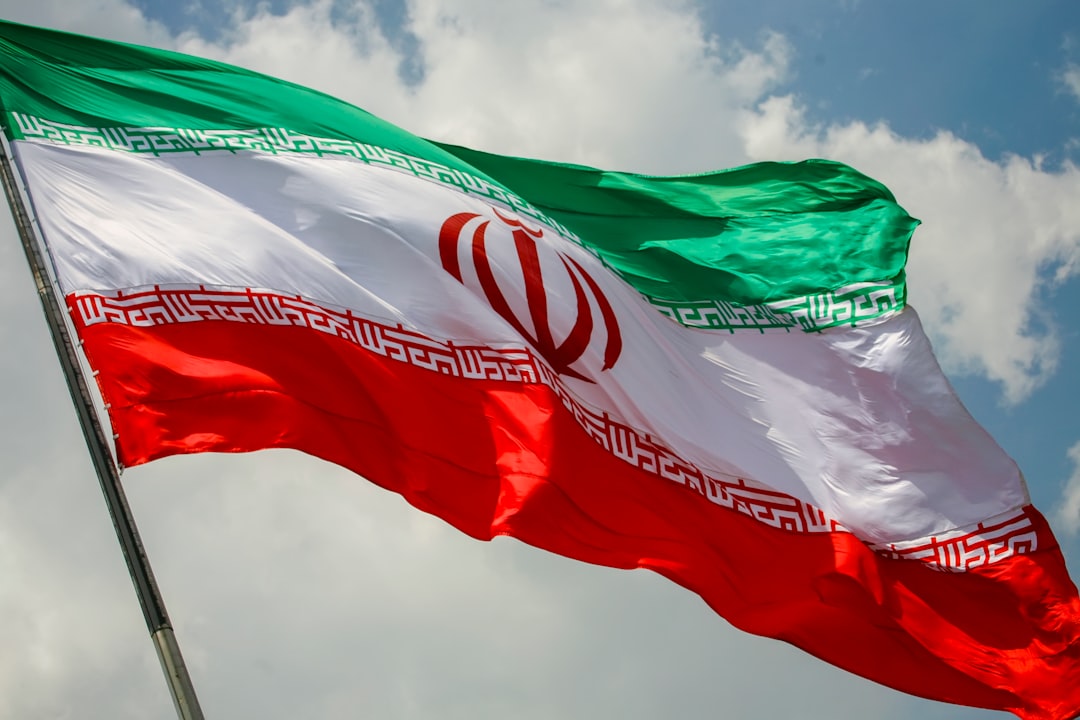
Though Iran has been selling oil to China for decades, their relationship strengthened considerably after the U.S. reimposed sanctions in 2018 and 2019. China’s oil purchases now account for roughly 90% of Iran’s exported oil.
In December 2025, the foreign ministries of Russia and Iran signed a deal for a three-year consultation program to further coordinate their resistance to Western sanctions. Iran’s oil trade is now almost entirely denominated outside the dollar system, making it a live experiment in what fully dedollarized energy trade looks like.
The scale is meaningful. Iran leverages its geographic control of the Strait of Hormuz to advance yuan adoption, giving it both a threat and a negotiating tool that sits at the center of global oil supply chains.
Country #5: India Quietly Settles in Rupees
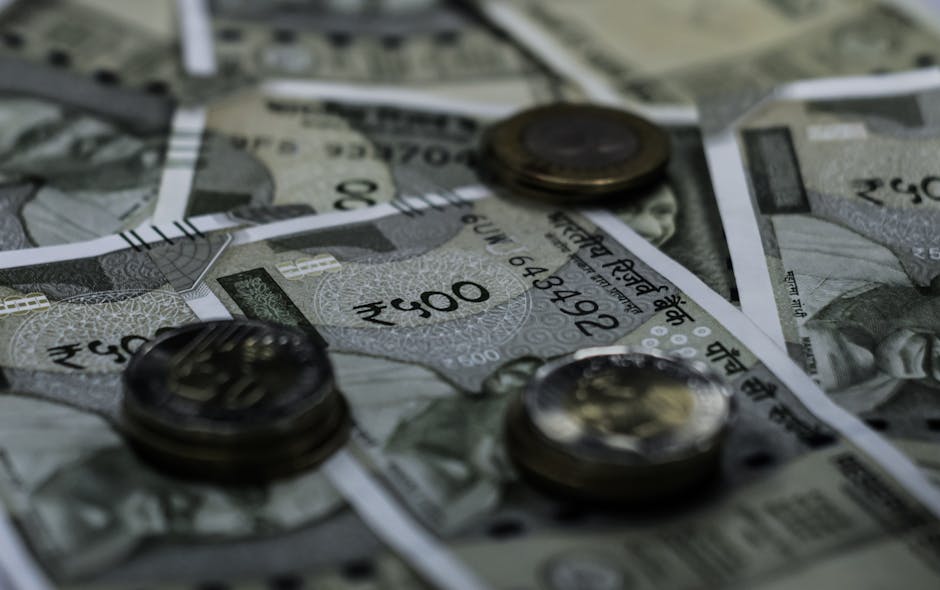
The Abu Dhabi National Oil Company and the Indian Oil Corporation Limited successfully carried out the first-ever crude oil transaction under a Local Currency Settlement framework on August 14, 2023. It was a modest deal in size, but enormous in symbolic weight.
Pakistan has also settled oil deals in yuan, and India bought one million barrels of crude from the UAE settled in rupees. India is approaching dedollarization carefully, driven by practical economics rather than ideological positioning.
India has categorically distanced itself from a common BRICS currency and has refrained from linking de-dollarization to geopolitical objectives. The Governor of the Reserve Bank of India stated that “de-dollarization is not India’s objective as part of BRICS.” Still, the trades are happening – just without the political fanfare.
The BRICS Expansion Changed the Math on Oil
The BRICS+ coalition’s expansion in 2024 added Egypt, Saudi Arabia, the United Arab Emirates, Iran, and Argentina to an already powerful economic bloc. This collective now represents over 45% of global oil production and more than 30% of global GDP by purchasing power parity.
The BRICS group, now including Iran, Saudi Arabia, and the UAE, accounts for roughly 43% of global crude oil production. Their combined energy output is substantial, and with major consumers like India and China, BRICS wields significant influence over energy markets.
One of the most significant outcomes of the 2024 BRICS summit in Kazan was the proposal for a cross-border payment system enabling member nations to process payments in their own currencies without relying on the dollar. Leaders acknowledged that such a system could reduce transaction costs, expedite trade, and enhance financial stability among BRICS nations.
What the Dollar’s Decline Actually Looks Like in Numbers
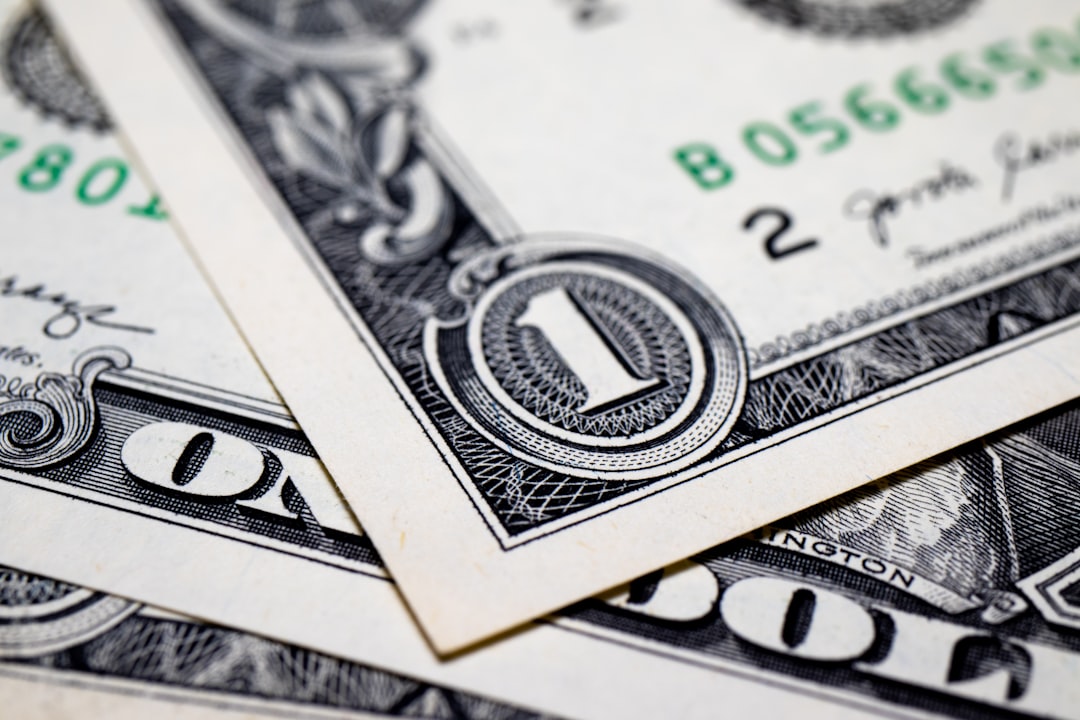
The dollar’s share of global reserves has declined from 71% to 56.3% since 2008, with central banks purchasing over 1,000 metric tons of gold annually for three consecutive years. That’s a slow slide, but it’s measurable and consistent.
The World Gold Council reports that central banks purchased 1,045 tonnes of gold in 2024, the third consecutive year above 1,000 tonnes, and more than double the annual average from 2010 to 2021. Nations are quietly hedging, not yet replacing the dollar, but reducing their exposure to it.
China has slashed its U.S. Treasury holdings from $1.3 trillion in 2013 to just $682 billion by November 2025, while simultaneously expanding yuan-based trade across Asia. The velocity of that shift is worth noting. It’s not theoretical geopolitics. It’s portfolio management on a sovereign scale.
How This Reaches Your Gas Pump
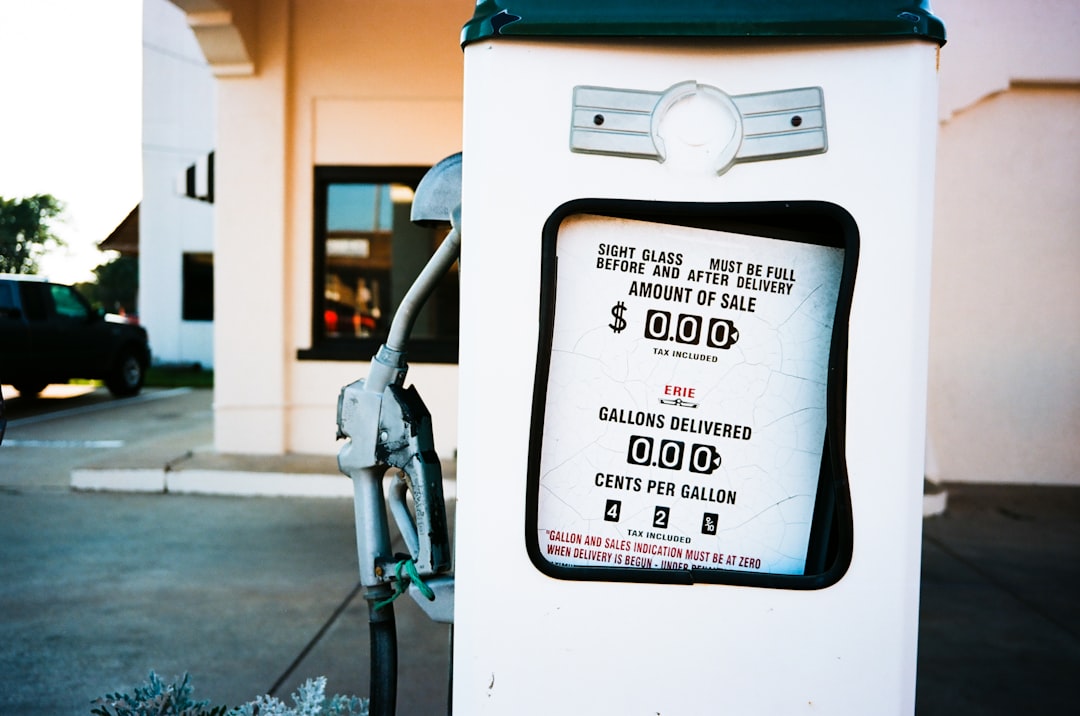
The connection between currency diplomacy and pump prices isn’t instant, but it’s real. A weaker dollar, driven partly by reduced global demand for dollar-denominated oil transactions, tends to push oil prices higher in dollar terms. That cost flows through to refined products, meaning gasoline.
For the U.S. economy, the lasting impact could include higher costs for consumers due to increased import prices, potential strain on the banking system from reduced liquidity, and elevated federal budget pressures from higher interest payments on the national debt.
Until recently, nearly 100% of oil trading was conducted in dollars. By 2023, one-fifth of oil trades were reportedly conducted with non-dollar currencies. That’s not a collapse – but it is a genuine structural shift that hadn’t been observed in half a century.
Why the Dollar Isn’t Going Anywhere Soon – But Faces Real Headwinds
The petrodollar’s demise is not as imminent as some suggest, and the U.S. dollar’s strength is still considered secure by Wall Street and foreign policy experts. The dollar’s strength is rooted in an interplay of factors, including the size and stability of the U.S. economy, its role in international trade, and the established trust in its financial institutions.
U.S. assets remain more attractive from a return perspective, especially relative to Chinese assets. Chinese and Indian assets are also not as liquid as U.S. assets. Any nation receiving yuan for its oil still has to figure out what to do with that currency, and the options remain limited compared to what the dollar ecosystem offers.
Historical precedent suggests caution: the British pound’s transition from the world’s reserve currency to a secondary player took approximately 30 years, from the 1920s to the 1950s. Several factors suggest the current de-dollarization moves carry structural weight beyond wartime improvisation. The infrastructure now exists, with CIPS, mBridge, and over 40 bilateral yuan swap lines providing settlement alternatives that were not operationally viable five years ago.
A Changing World, One Barrel at a Time
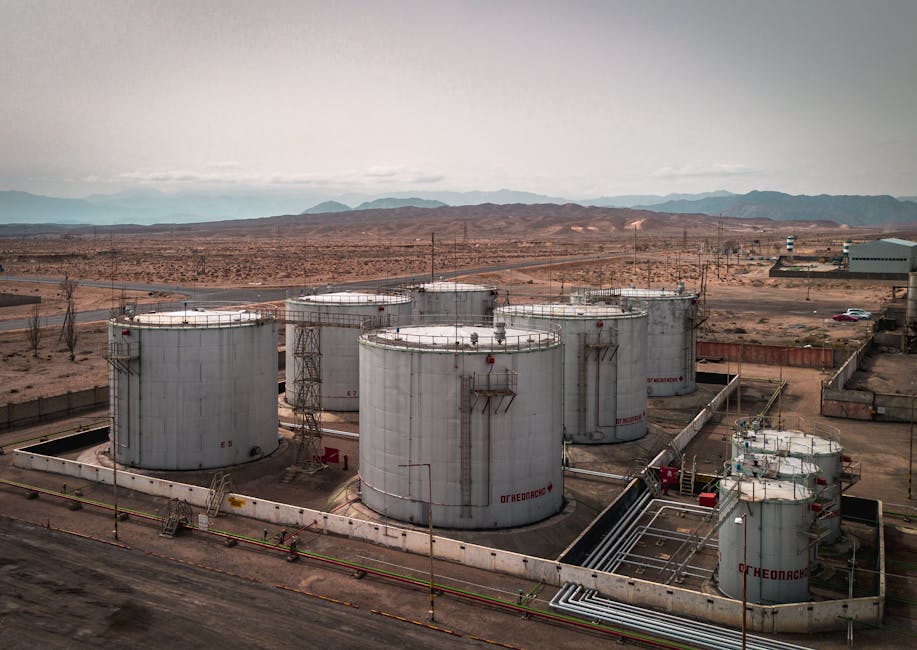
None of this is a revolution that happened overnight. It’s the product of years of sanctions, bilateral deals, digital payment infrastructure, and geopolitical drift – each piece small, but the pattern now unmistakable.
What makes the current moment different is that the structural plumbing now exists. Washington’s increasing use of sanctions as a geopolitical weapon – including freezing $300 billion in Russian central bank reserves in 2022 and restricting Iran’s access to SWIFT – has given dozens of nations a practical incentive to build dollar alternatives.
The petrodollar system wasn’t replaced by a single dramatic announcement. It’s being quietly dismantled, trade by trade, in yuan, rupees, and dirhams. For the average driver, the consequence may not arrive as a single shock but as a slow, persistent upward pressure on energy prices that’s harder to trace – and harder to reverse. The world’s oil plumbing is being rewired while most people are focused on what they see at the pump.