


Most people figure they can tough out a power outage. Candles, a cooler of ice, maybe a neighbor’s generator for a few hours. That works fine for an afternoon. A full week is a different situation entirely.
U.S. electricity customers experienced an average of 11 hours of electricity interruptions in 2024, nearly twice as many as the annual average experienced in the decade before, according to the U.S. Energy Information Administration’s Electric Power Annual 2024 report. In July, Hurricane Beryl left 2.6 million customers without power in Texas. In September, Hurricane Helene left 5.9 million customers without power across 10 states. The following month, Hurricane Milton left 3.4 million Florida customers in the dark. When storms hit this scale, days without power stop being an edge case.
The good news is that three categories of off-grid technology now cover the core survival needs for a multi-day outage. Here’s exactly what they are, what the data says about them, and why they matter.
Why a Week Without Power Is a Serious Threat
Most household planning assumes power returns within hours. Customers in South Carolina experienced longer service interruptions than in any other state, at nearly 53 hours in 2024. That’s over two full days, and that’s just the state average. Individual households in hard-hit areas often waited much longer.
There is a real potential for large-scale damage to power infrastructure that may cause a long-term interruption, defined as more than 72 hours, for a large portion of the country, according to FEMA’s Power Outage Incident Annex. Preparedness planning that stops at 24 hours simply isn’t sufficient for modern risk levels.
According to analysis performed by Climate Central, weather-related power outages are rising in both their frequency and intensity, and these events are among the leading causes of major power outages in the United States. The trend is not reversing. Planning ahead with reliable hardware is the rational response.
Gadget 1: The Portable Power Station
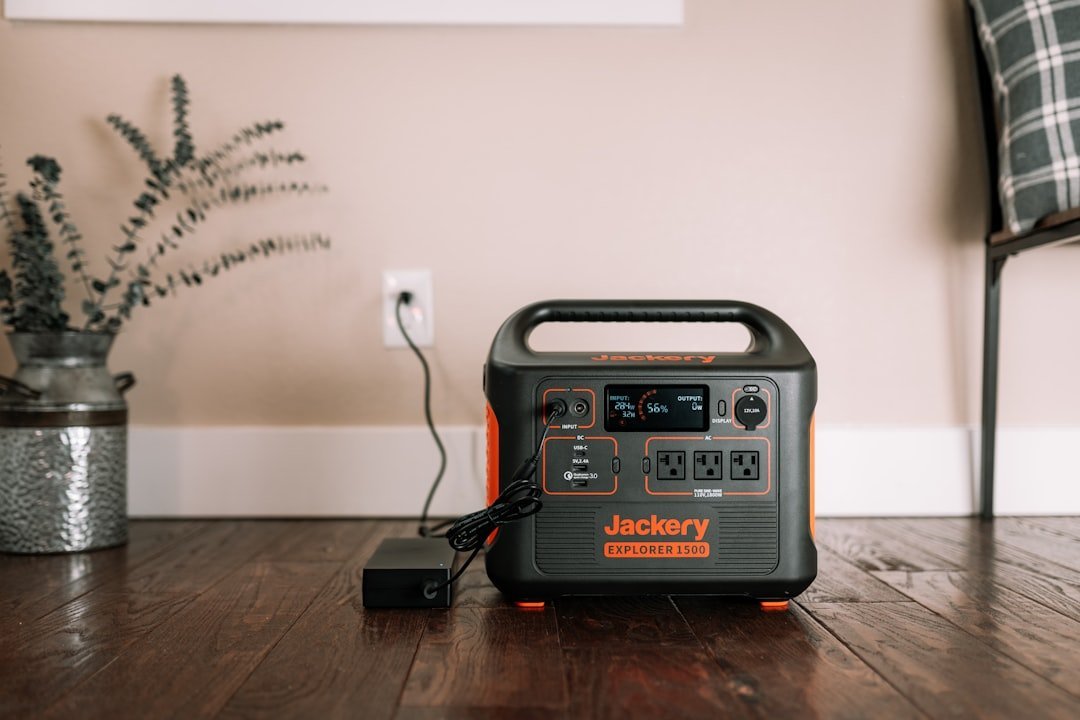
A portable power station operates by storing electrical energy in high-capacity lithium-ion or LiFePO4 batteries, which is later delivered through inverters to power appliances and digital devices during off-grid applications. In plain terms, it’s a silent, fuelless battery unit that plugs into your everyday devices like a regular outlet.
When the power goes out for an extended period, these units can keep the lights on, a fridge running so food doesn’t spoil, and all your phones charged to stay in contact with family. That covers the three main failure points in any extended home outage: food safety, lighting, and communication.
For essential emergency backup covering a refrigerator, lights, phone charging, and an internet router, a minimum 1,500Wh system with 400W or more of solar input is recommended, providing roughly 12 to 24 hours of critical power that can recharge during daylight hours. For extended outages lasting multiple days, systems of 2,500Wh or more with expandable battery options are the better choice.
The Market Behind the Machine: Why Options Are Better Than Ever
In 2024, the sales revenue of the global portable power station industry reached approximately 3.8 billion USD, growing at a compound annual growth rate of 52.6% from 2020 to 2024. That kind of explosive growth means intense product competition, which translates to better technology at lower prices for consumers.
The emergency power segment led the market with nearly half of total revenue in 2025, driven by increasing frequency of power outages, rising climate-related disruptions, and the growing need for reliable backup solutions in residential and small commercial settings.
New models emphasizing LiFePO4 battery chemistry have been introduced, boasting enhanced lifespans exceeding 2,000 or more charge cycles, significantly outpacing traditional lithium-ion counterparts. That kind of longevity means a quality unit bought today is genuinely built to outlast many years of standby use.
What to Look for in a Power Station for a Week-Long Outage

The usual set of devices these power stations are equipped with includes lithium-ion or lithium iron phosphate batteries, inverters, USB and AC/DC outlets, and various charging inputs, utilized by people off the grid to power or charge cellphones, laptops, smaller appliances, medical equipment, or tools. Checking that all those outlet types are present before you buy matters more than it sounds.
An unopened refrigerator can maintain cold food for roughly four hours, while an unopened freezer can keep foods frozen for up to 48 hours. Beyond those windows, a power station running your fridge intermittently becomes a genuine food-safety tool, not just a convenience.
Battery chemistry is worth paying attention to. Most portable power stations use either lithium-ion or lithium iron phosphate batteries, with LiFePO4 being favored for its durability and heat resistance, making it ideal for high-power applications. If the unit will sit stored for months between uses, LiFePO4 holds its charge more reliably over time.
Gadget 2: Portable Solar Panels

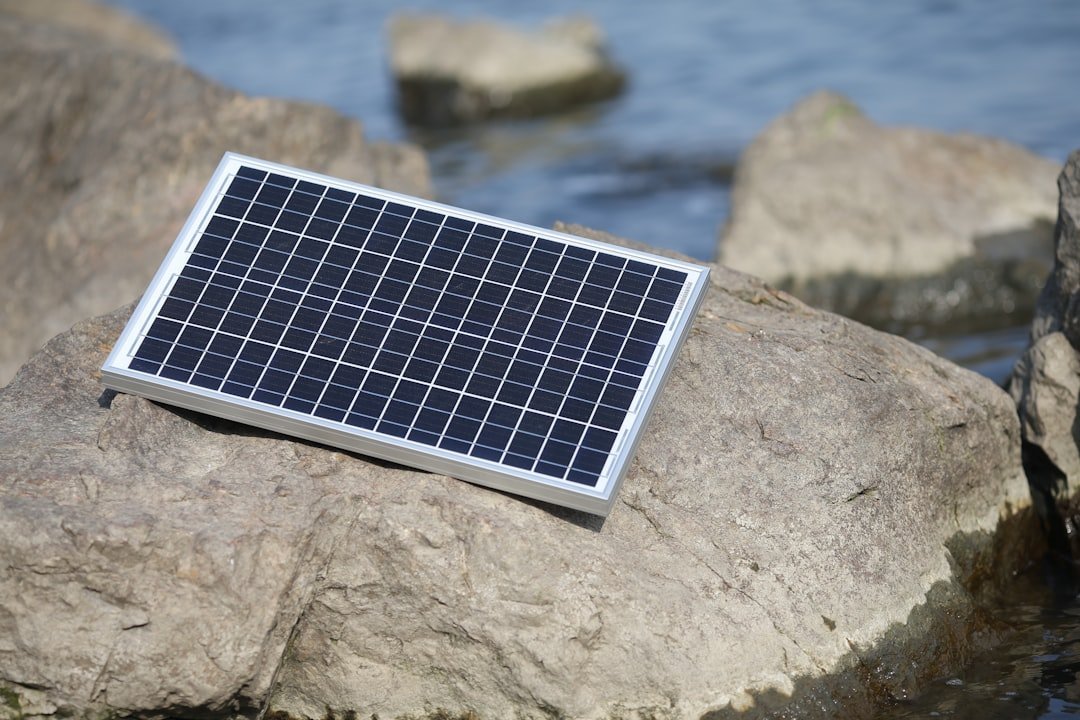
A power station is only as useful as its ability to recharge. Without grid power, the sun becomes your only consistent energy source during a week-long outage. Portable solar panels bridge that gap.
LiFePO4 battery cycle life of 3,000 to 6,000 cycles has been confirmed by testing reports, while monocrystalline solar panel efficiency sits between 20 and 25%. Those efficiency figures are meaningful in practice. A good monocrystalline panel in decent sunlight can meaningfully recharge a mid-sized power station within a single afternoon.
Portable solar systems provide clean, reliable electricity anywhere the sun shines, without the noise, emissions, or fuel requirements of traditional generators. That last point matters in residential settings: no exhaust risk, no fuel storage, no sound complaint from neighbors already stressed by the same outage.
Gadget 3: The Portable Water Purification System
Power and water are equally essential. During major regional outages, municipal water pressure can drop or become unsafe within hours. A portable water purification system solves the one problem no battery can address.
Portable reverse osmosis water systems utilize an RO membrane with sediment and carbon block filters to clear contaminants out of water, then remineralize it with necessary minerals, producing clean purified drinking water. Modern portable units are small enough to fit in a backpack while pulling from lakes, streams, or tap water of uncertain quality.
To be well-prepared for an emergency, you should have at least two liters of bottled water per person per day on hand, covering hydration, cooking, sanitizing, and basic hygiene needs. Stored water covers the first day or two. A filtration system covers the rest of the week without any guesswork.
The Water-Energy Connection in Off-Grid Preparedness
Researchers at Princeton University have developed a solar absorber gel technology that requires only sunlight to filter pollutants such as heavy metals, oils, microplastics, and some bacteria from water, making it a genuine alternative for off-grid water purification. This type of research signals where consumer-grade portable water filtration is heading over the next few years.
A square meter of the one-centimeter-thick material can produce over a gallon of water in as little as ten minutes, and could provide enough clean water to meet daily demand in many parts of the world. While this specific technology isn’t yet widely available at the consumer level, it reflects the rapid pace of innovation in off-grid water access.
The intersection of solar power and water filtration is already practical today, not just theoretical. Portable off-grid reverse osmosis systems are designed as companions for off-grid living, camping, emergency preparedness, and disaster-hit areas, combining battery, solar kit, and booster pump into a single carry case.
How the Three Gadgets Work Together
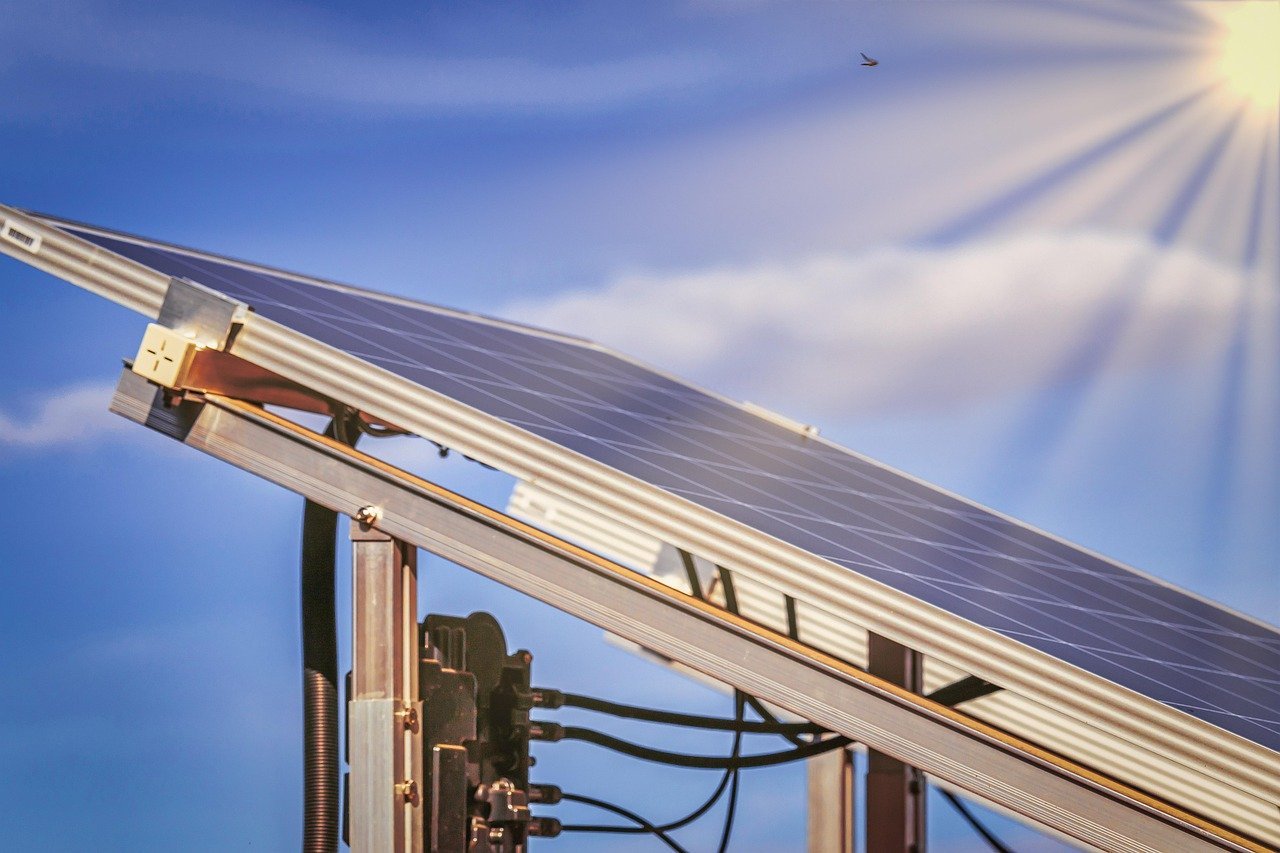
The real value of this setup isn’t any single device. It’s the combination. Your portable power station runs the fridge, charges your phone, and powers lighting. Your solar panels keep the power station recharged throughout the day. Your water filtration system handles safe drinking water independently.
A well-stocked emergency kit should include essentials like water, non-perishable foods, hand or solar-powered communication tools, portable power supplies, and a first aid kit. The three gadgets in this article cover the power, energy recharge, and water components of that list in a way that scales to a full week without resupply.
Running all three as a system eliminates nearly all of the critical failure points that make a week-long outage genuinely dangerous for a typical household. The setup doesn’t require installation, specialized knowledge, or significant space.
Common Mistakes People Make When Buying Off-Grid Gear

Capacity is the most common source of regret. Many people buy a power station rated at around 300 to 500Wh, which sounds substantial until they try to run a refrigerator for several days. For essential emergency backup covering a refrigerator, lights, phone charging, and internet router, a minimum 1,500Wh system with 400W or more of solar input is the practical floor, providing between 12 and 24 hours of critical power that can recharge during daylight.
Solar panel compatibility is another overlooked factor. Not all portable panels pair efficiently with all power stations. Checking that input wattage and connector standards are compatible before buying prevents frustrating mismatches. Most major brands publish this clearly in their specifications.
Water filtration is often the last thing people think to buy and the first thing they genuinely need. An important rule of thumb is to have enough food, water, and essential supplies for you and your family to be self-sufficient for 72 hours, because in the event of an outage or weather emergency, it can take up to three days or more for services to be restored or for emergency responders to reach everyone in need. For outages that run past that window, a filtration device shifts from optional to essential.
The Realistic Cost of Being Prepared

A quality mid-range portable power station in the 1,500 to 2,000Wh range typically runs between roughly 800 and 1,500 dollars as of 2025 and 2026, depending on battery chemistry and brand. A matched solar panel bundle usually adds several hundred dollars. A capable portable water filter starts at around 20 dollars for basic straw-type filters and scales to several hundred for a full reverse osmosis carry unit.
Increasing consumer preference for clean, silent, and fuel-independent power options, coupled with advancements in LiFePO4 chemistry and battery management technologies, continues to reinforce strong demand for these systems. Competitive pressure between brands like EcoFlow, Jackery, Bluetti, and Goal Zero has kept prices moving in the right direction for buyers.
Regular off-grid users often see payback within two to four years through eliminated generator fuel costs and campground electrical fees. Emergency-only users see longer payback periods, but gain invaluable peace of mind and property protection during outages. Either way, the math is more favorable than most people assume.
Conclusion: Three Gadgets, One Realistic Plan
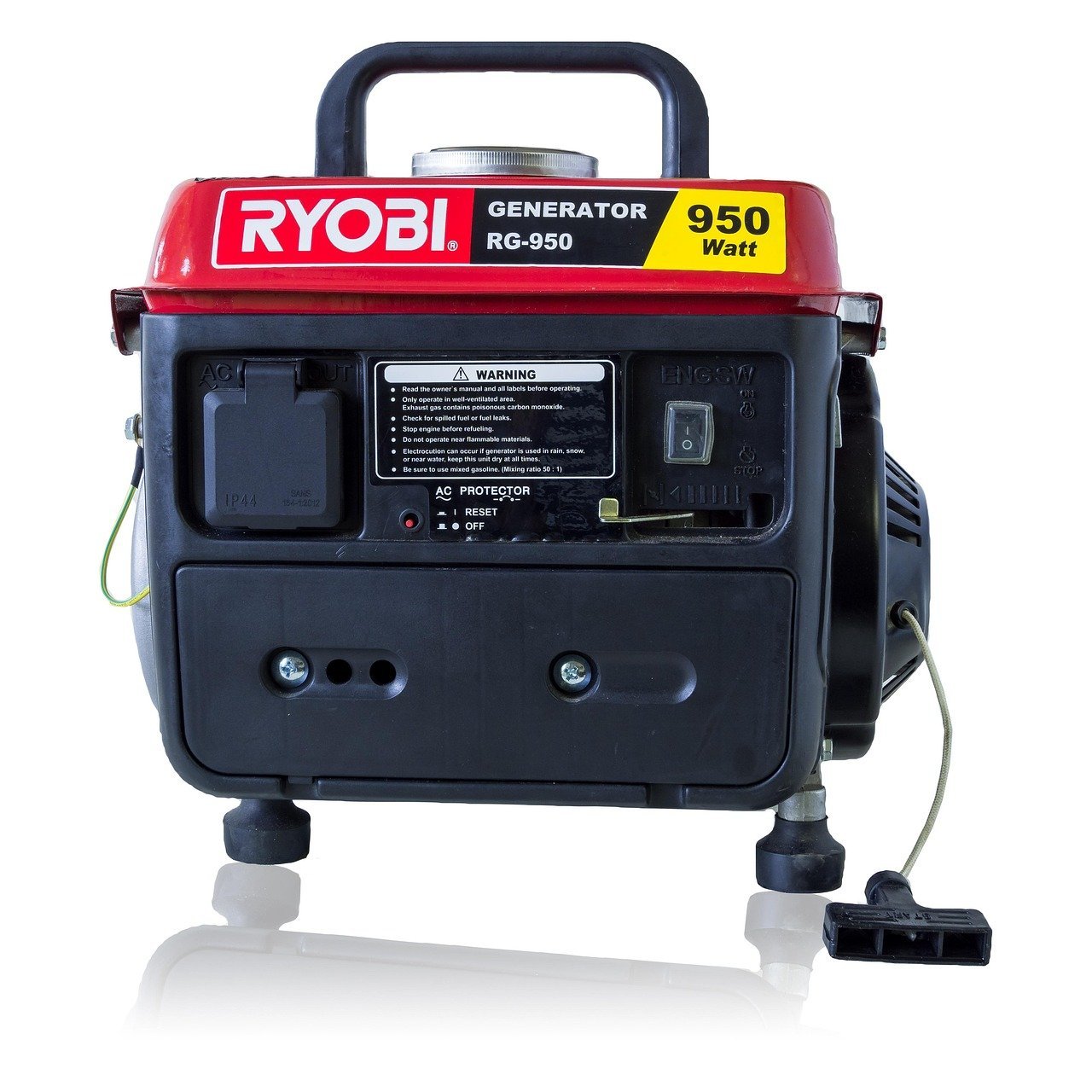
Resilience in a power outage isn’t about having every gadget ever marketed. It’s about covering the three things that actually become critical when the grid goes down for days: energy, renewable recharge, and safe water. Everything else is secondary.
Increasing frequency of power outages and rising climate-related disruptions continue to push the need for reliable backup solutions in residential settings from optional to genuinely prudent. The data from 2024 alone made that argument more compelling than any manufacturer’s marketing ever could.
The real shift in thinking is treating this setup not as survivalist gear but as basic infrastructure. A smoke detector isn’t exotic. Neither is a battery that keeps your fridge running when a storm decides to linger for a week. Having the right three gadgets ready means the event stays an inconvenience instead of becoming a crisis.