


Most people have felt it: the chest tightening, the shallow rapid breaths, the mental noise that just won’t stop. Anxiety isn’t only in your head. It’s a full-body event, and your nervous system is running the show.
What’s remarkable is that one of the most effective off-switches for that response lives inside you already. It’s a nerve most people have never heard of, activated by something you do thousands of times a day without thinking. The technique is simpler than any app, faster than any pill, and the science behind it is genuinely compelling.
Meet the Vagus Nerve: Your Body’s Built-In Calm Switch
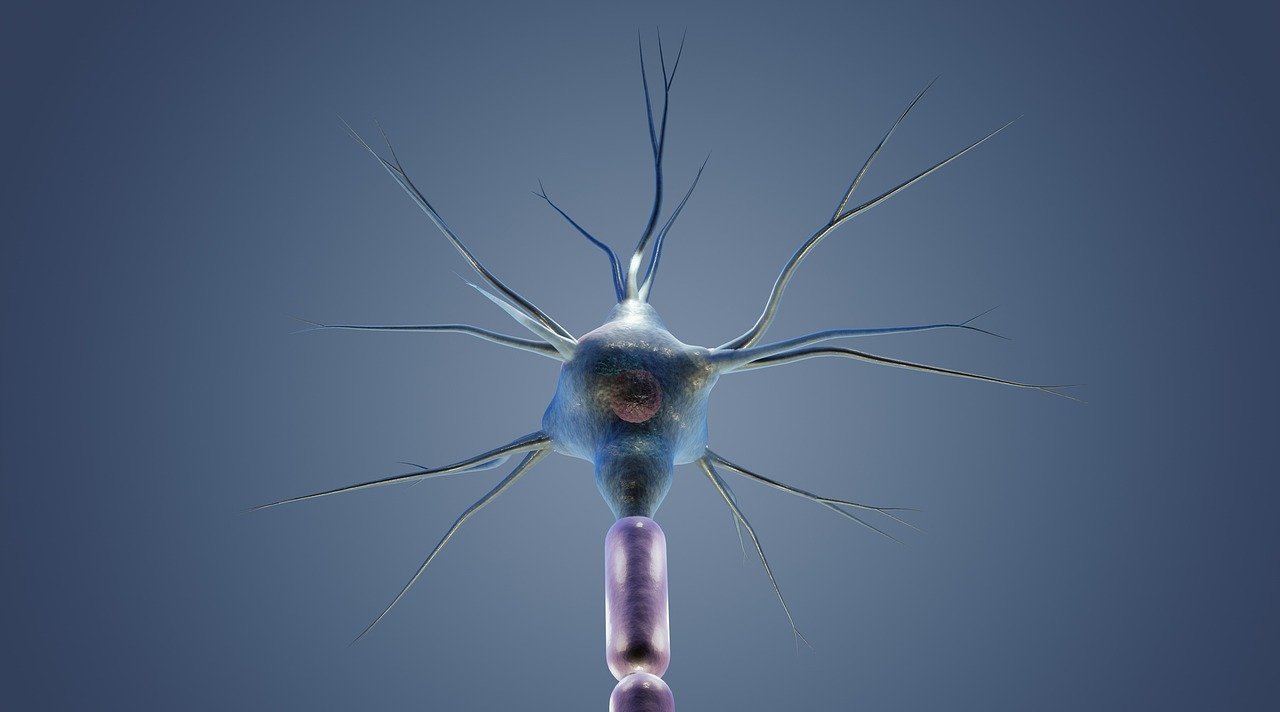
The vagus nerve, technically the tenth cranial nerve, originates in the brainstem within the medulla oblongata and extends downward through the neck and into the chest and abdomen. It branches out to multiple organs, including the heart, lungs, liver, spleen, stomach, intestines, and kidneys.
Your left and right vagal nerves contain roughly three quarters of your parasympathetic nervous system’s nerve fibers, sending information between your brain, heart, and digestive system. That’s a staggering amount of physiological influence wrapped into a single nerve pathway.
The vagus nerve, the main component of the parasympathetic branch of the nervous system, is the architect of safety. When it’s activated, your body gets the message that the threat has passed – even if nothing in your environment has actually changed.
The Fight-or-Flight Loop and Why It Gets Stuck

The sympathetic nervous system owns the “fight or flight” response, preparing your body to respond to perceived threats by increasing heart rate, redirecting blood flow to muscles, and releasing stress hormones. This system is brilliant in genuine emergencies – and genuinely disruptive when it won’t shut off.
Stress is a psychological and physical state of tension that arises when individuals face difficult environments. As a survival mechanism, stress triggers the autonomic nervous system to respond, resulting in physiological reactions such as elevated blood pressure, heart rate, muscle tension, and cortisol levels, accompanied by psychological changes including anxiety, depression, and fatigue.
When we are stressed, we breathe more shallowly and carbon dioxide builds up in our bloodstream, which can make us feel agitated and jittery. It’s a feedback loop: anxiety causes shallow breathing, and shallow breathing makes the anxiety worse.
Why Breathing Is the Fastest Route to the Vagus Nerve
Breathing can directly affect the activity of the autonomic nervous system, including the heart rate. Heart rate is regulated by a dynamic balance between the sympathetic nervous system, mainly associated with physiological fight-or-flight responses, and the parasympathetic nervous system, depending on vagal activity, mainly related to energy conservation, rest, and relaxation.
During inhalation, the cardiovascular center inhibits vagal outflow, resulting in sympathetic predominance which speeds up the heart rate. Conversely, during exhalation, the vagal outflow is restored and results in a slowing-down of the heart rate. This is the physiological key to the whole technique.
Recent research in neuroscience and polyvagal theory shows that intentional breathwork can directly influence how we think, feel, and respond – not by changing our thoughts, but by calming our nervous system through the vagus nerve. That distinction matters: you’re not thinking your way out of anxiety, you’re breathing your way out of it.
The Technique: Cyclic Sighing, or the Physiological Sigh
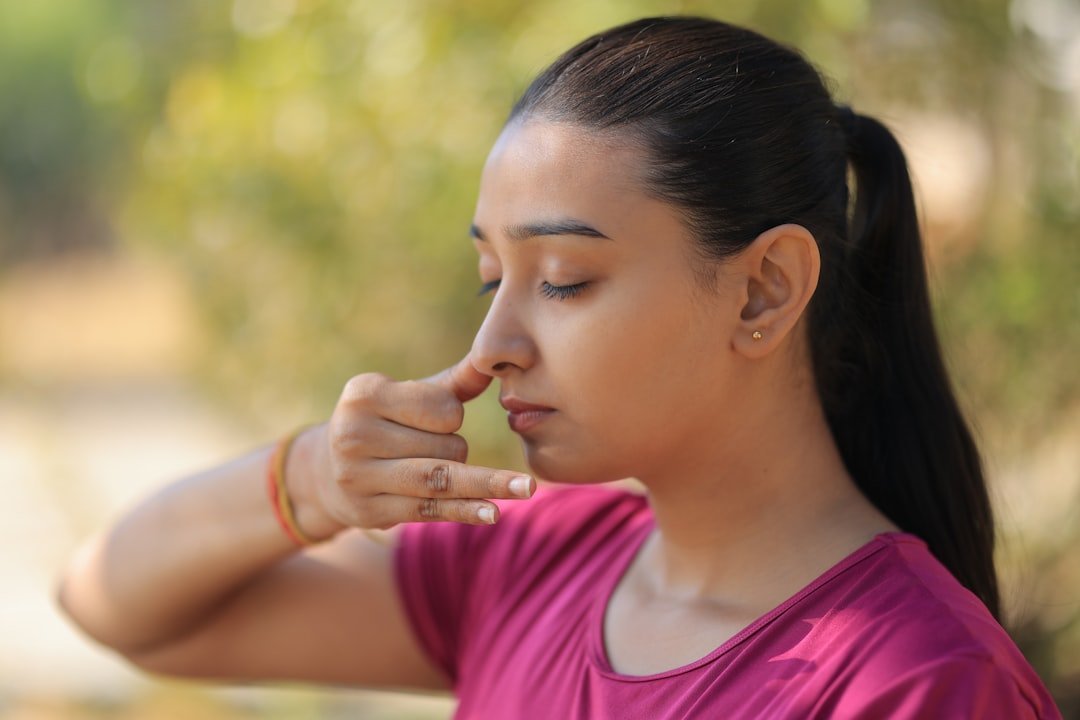
Cyclic sighing, also known as physiological sighing, is a breathing technique that involves two consecutive inhales through the nose followed by a long exhale through the mouth. The whole cycle takes only seconds, which is exactly the point.
First, inhale deeply through your nose and allow the air to fill your lungs, letting your belly expand as your diaphragm drops. Then take a second, shorter inhale through the nose – it might feel like sipping in air because you’ve already inhaled, but it helps fully expand the air sacs in your lungs.
Then exhale through your mouth, taking your time. Aim for an exhale roughly twice as long as your inhale to engage the calming response. Most people perform the physiological sigh up to three times to feel sufficiently calm.
What Happens in Your Body During the Exhale
During the extended exhalation phase of cyclic sighing, long, slow exhales increase venous return to the heart, which triggers baroreceptor responses that activate parasympathetic pathways. Heart rate decreases, blood pressure lowers, digestive function improves, and stress hormone production reduces. Acetylcholine is released at parasympathetic nerve terminals, promoting relaxation responses throughout the body.
This breathing technique works by reinflating the air sacs in the lungs, and the longer exhale rapidly offloads excess carbon dioxide, providing an immediate sense of increased calm. Additionally, heart rate declines and oxygen levels go up, contributing to a greater sense of calmness.
The extended exhalations of sighing activate the parasympathetic nervous system by increasing vagal tone. More vagal tone means more calm, more clarity, and a faster recovery from stress.
The Stanford Study That Changed the Conversation
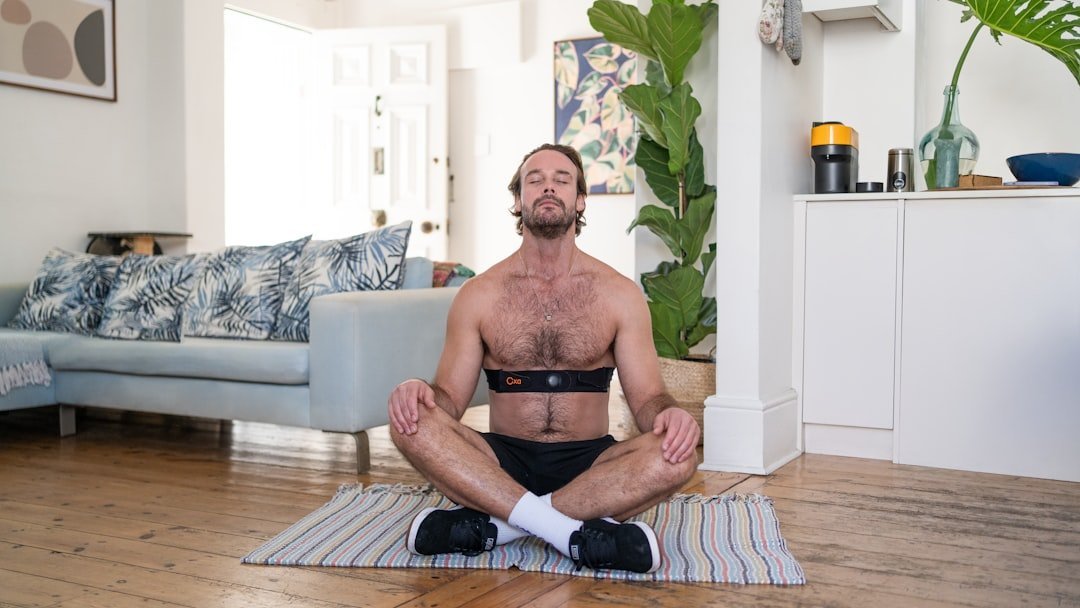
A remote, randomized, controlled study of three different daily five-minute breathwork exercises was conducted and compared with an equivalent period of mindfulness meditation over one month. The participants were divided into groups, each practicing a different breathing style every day.
The results using a mixed-effects model showed that breathwork, especially the exhale-focused cyclic sighing, produces greater improvement in mood and reduction in respiratory rate compared with mindfulness meditation. That last part is worth pausing on: a five-minute breath practice outperformed mindfulness meditation for mood improvement.
All groups reported lower anxiety and a better mood, while the controlled breathing groups reported significantly greater increases in energy, joy, and peacefulness. Cyclic sighers reported the greatest daily improvements, an effect that increased over time.
Vagal Tone: Why Some People Handle Stress Better Than Others

High vagal tone is associated with a greater ability to recover from stress, as it promotes the activation of the parasympathetic nervous system. This helps reduce physiological symptoms of stress such as increased heart rate and muscle tension, and promotes relaxation. Conversely, low vagal tone is associated with heightened stress reactivity and a reduced ability to cope with stress.
Good vagal tone allows the system to ramp up quickly as conditions demand, such as a sudden need to flee a dangerous situation, and to settle down after an experience of stress. People with naturally high vagal tone tend to be more emotionally resilient – not because they feel less, but because they recover faster.
Cross-sectional studies in healthy adults repeatedly show that higher high-frequency heart rate variability, an index of vagal tone, tracks superior executive performance on tasks requiring sustained attention, working memory, set-shifting, and inhibition. Calm and sharp-minded are, it turns out, not opposites.
Regular Practice: The Cumulative Effect
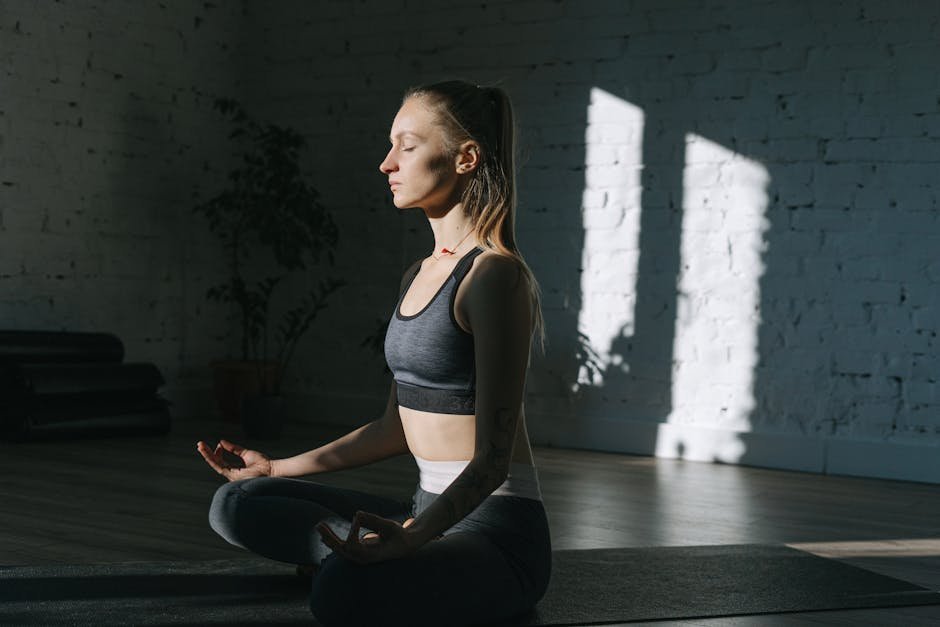
It can take as little as five minutes to experience less anxiety, a better mood, and even decreased rates of breathing at rest, a sign of overall body calmness. The short-term effects are real, but what happens when you keep it up?
While all three controlled breathing interventions decreased anxiety and negative mood, participants in the cyclic sighing group had the greatest daily improvement in positive feelings on a standardized questionnaire. The effect increased as the study went on, suggesting that the more consecutive days they practiced, the more it helped their mood.
Prolonged engagement in breathwork fosters both psychological and physiological resilience, ultimately supporting stress reduction and general resilience, preventing mental disorders. Think of it less like taking a painkiller and more like building a more durable nervous system.
Breathwork vs. Medication and Meditation: How It Compares

Accumulating evidence suggests breathwork may serve as both a preventive and adjunctive therapy for chronic stress, anxiety, and depression, given its potential to target key risk factors and produce clinically relevant outcomes. Researchers are careful not to overstate the case, but the direction of the evidence is consistent.
Controlled breathing exercises may have a more rapid, more direct effect on physiology than mindfulness. Traditional meditation typically requires twenty to thirty minutes of quiet, focused practice. Cyclic sighing works in under a minute, anywhere.
Most breathwork techniques share core neurophysiological mechanisms that benefit well-being, regardless of the theoretical differences between specific techniques. Still, the exhale-heavy pattern of the physiological sigh consistently performs at or near the top in head-to-head comparisons with other techniques.
How to Make It a Daily Habit Without Overthinking It

You can use the physiological sigh proactively as part of a routine, or reactively when you’re feeling stressed. How often you should do it depends on how often you anticipate needing it. Neither answer is wrong.
For acute use, the technique can be performed for immediate stress relief in one to three cycles. For optimal benefits, regular practice of around five minutes daily is recommended. That’s genuinely accessible – five minutes is less time than most people spend scrolling in the morning.
The technique is effective for people of all ages, including those who need help calming down after anxiety. Over time, it can become second nature and even make your nervous system more resilient. A tool that gets easier and more effective the more you use it is a rare thing.
What the Science Still Doesn’t Fully Resolve
Despite the rapid growth in research, the field remains fragmented due to the diversity of breathing techniques. Moreover, recent findings have challenged several foundational concepts traditionally believed to underlie the therapeutic effects of breathwork. The science is promising, but it’s still maturing.
Contemporary breathwork research is limited by inconsistent study quality and methodological heterogeneity. Most trials involve small sample sizes, short durations, and self-reported outcomes. Larger, longer-term studies would strengthen the conclusions considerably.
What can be said with reasonable confidence is this: the physiological sigh is grounded in well-established autonomic neuroscience, has performed well in controlled trials, carries virtually no risk for healthy adults, and requires no equipment, training, or cost. For a tool with that profile, the bar for trying it is very low.
Conclusion: The Shortcut Was Always There
There’s something oddly reassuring about the fact that the fastest known route out of an anxiety spiral is a breath you were already capable of taking. The vagus nerve has always been there, quietly governing your internal state, waiting to be engaged deliberately rather than accidentally.
The physiological sigh isn’t a cure for anxiety disorders, and it’s not a replacement for therapy or medical care when those are needed. It’s something more modest and more practical: a reliable, science-backed way to put the brakes on the stress response in the moment, available to virtually everyone, at any time.
Sometimes the most powerful tools are the simplest ones. This one runs on nothing but air.