

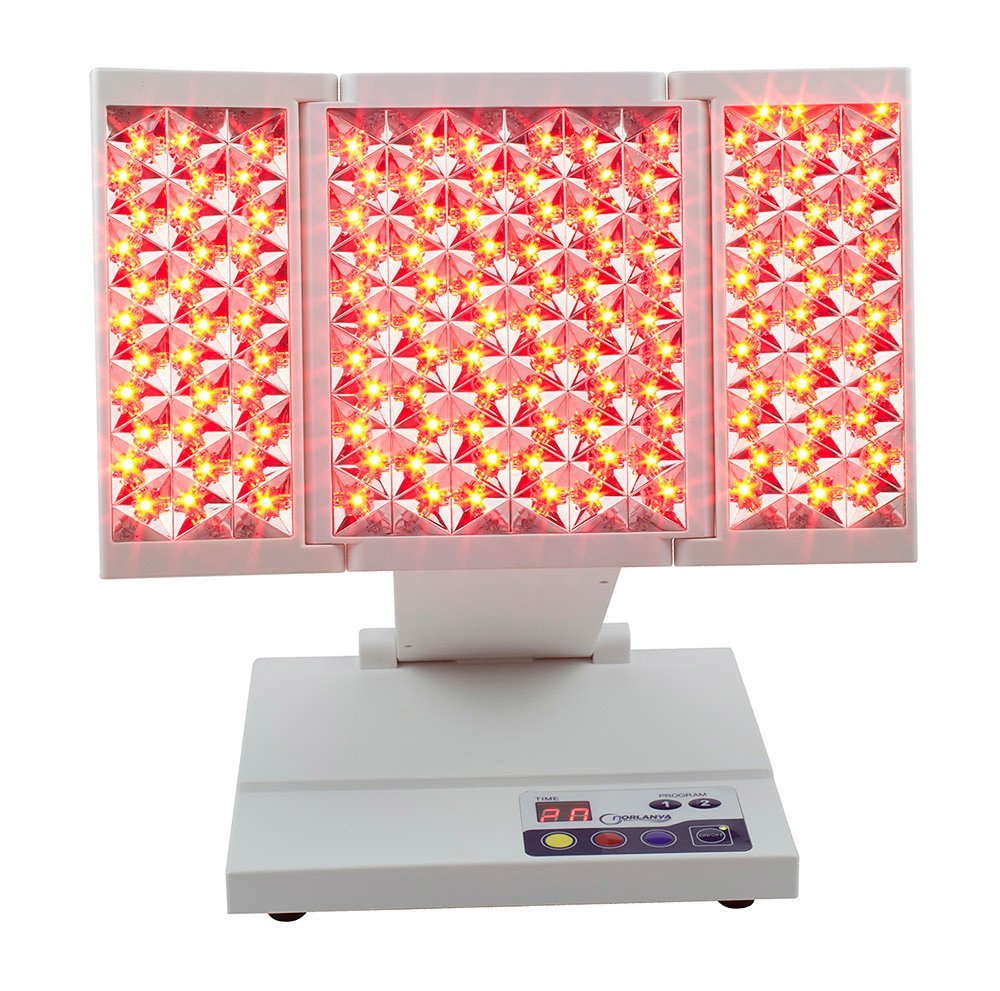
Walk into almost any modern spa, sports recovery clinic, or upscale gym in 2026 and you’ll find a red light panel, a glowing face mask, or a full-body bed casting a warm, pinkish glow. Social media has done its part in building the hype, but the science telling a different and rather more nuanced story is what actually makes this worth paying attention to.
The conversation around red light therapy has quietly shifted from fringe wellness trend to a subject of serious clinical investigation. Over the past decade, the evidence has solidified in several clinical niches. What researchers are uncovering changes the question from “is this real?” to “exactly how far does it go?”
What Red Light Therapy Actually Is
Red light therapy, formally known as photobiomodulation (PBM), uses specific wavelengths of red and near-infrared light to influence how cells behave. It’s not heat, it’s not UV radiation, and it doesn’t damage tissue the way a sunburn would. The absorption of red and near-infrared light energy enhances mitochondrial ATP production, cell signaling, and growth factor synthesis, and attenuates oxidative stress.
Red to near-infrared wavelengths scatter much less than shorter blue and ultraviolet wavelengths. As a result, some photons, mainly those in the near-infrared range, can pass through clothing, and a fraction can penetrate centimeters into tissue. Wavelengths between around 600 and 700 nanometres and 760 and 940 nanometres are often reported to produce biological responses.
These ranges closely match the wavelengths most readily absorbed by cytochrome c oxidase, a key enzyme in the mitochondrial electron transport chain. Evidence suggests that cells can absorb these wavelengths and that the light nudges the electron transport chain into a more active state, boosting production of ATP. Downstream effects include improved blood flow and changes in inflammation and oxidative stress.
A History Older Than the Wellness Trend
The studies that evaluated the effects of red light on biology date back to the 1960s, when a Hungarian scientist was investigating whether exposure to low levels would cause mice to develop skin cancer. What happened next was unexpected. Instead, they found that those receiving red light treatment sprouted more hair. Additional studies, in mice and in humans, bolstered evidence of red light’s ability to generate hair growth.
In 2015, the National Library of Medicine made photobiomodulation a Medical Subject Heading term, referring to the official vocabulary used to organize PubMed’s research articles. Since then, there has been a major increase in published studies validating the science of photobiomodulation. The field has been building its scientific case for decades, largely outside the public eye.
The Mitochondria Connection: Why Cells Respond to Light
Researchers are uncovering how red and near-infrared light might exert its effects. Mitochondria, the power plants of the cell, are emerging as a central piece of the puzzle. The more we understand cellular energy, the more plausible the mechanism becomes.
A pattern might be emerging: when cells are healthy, external light often has little effect. During illness or metabolic stress, in which mitochondrial dysfunction is common, its impact seems to be stronger. This is one reason researchers find the therapy most compelling for conditions involving compromised or stressed tissue.
Some researchers have also proposed an extra mechanism: red and near-infrared light reduces the viscosity of water, allowing energy-producing machinery to move more easily. It’s a newer hypothesis, still debated, but it reflects how actively scientists are working to map the full picture.
Skin, Hair, and Anti-Aging: Where the Evidence Is Strongest
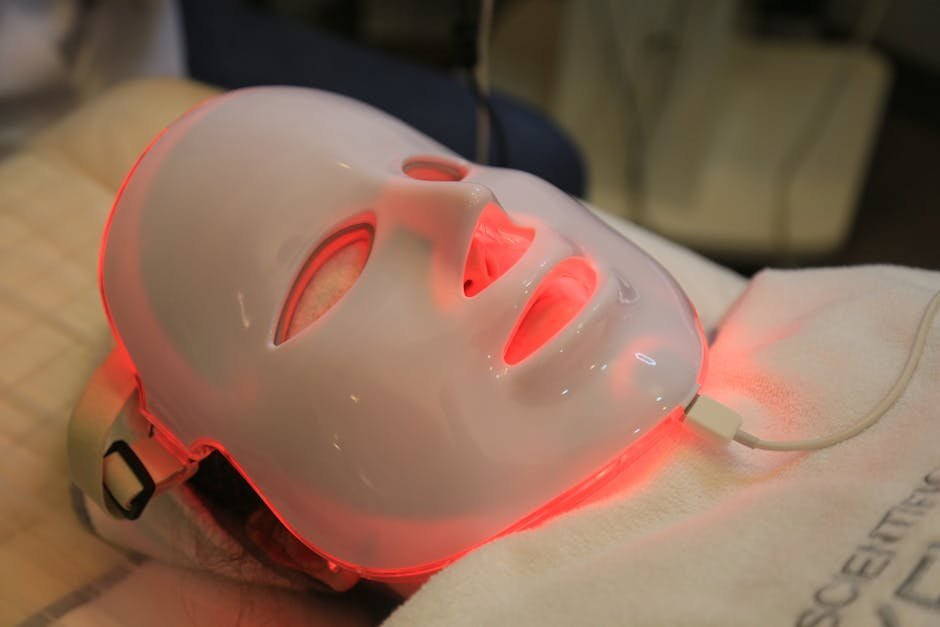
Hundreds of studies documenting the impact of red light in a clinical setting have reported a range of outcomes, including how different wavelengths of red light change the inner workings of cells and blinded clinical trials that show how red light plumps up skin features in human participants through an increase of collagen production.
Studies have shown that red light penetrates the skin at shallow depths and stimulates follicle growth. There’s evidence that the light causes vasodilation, a widening of blood vessels. Used over multiple months consistently, red light has been shown to regrow thinning hair. When a person stops applying red light, however, the effects stop.
Previous studies have suggested that irradiating the skin with LED and infrared light at 600 to 660 nm and 800 to 860 nm stimulates the cells of the dermis and epidermal tissue and is effective in wrinkle improvement and anti-aging. The evidence here is among the more robust in the field, though home devices tend to be less powerful than clinical-grade equipment.
Wound Healing and Pain Relief: Solid Clinical Ground
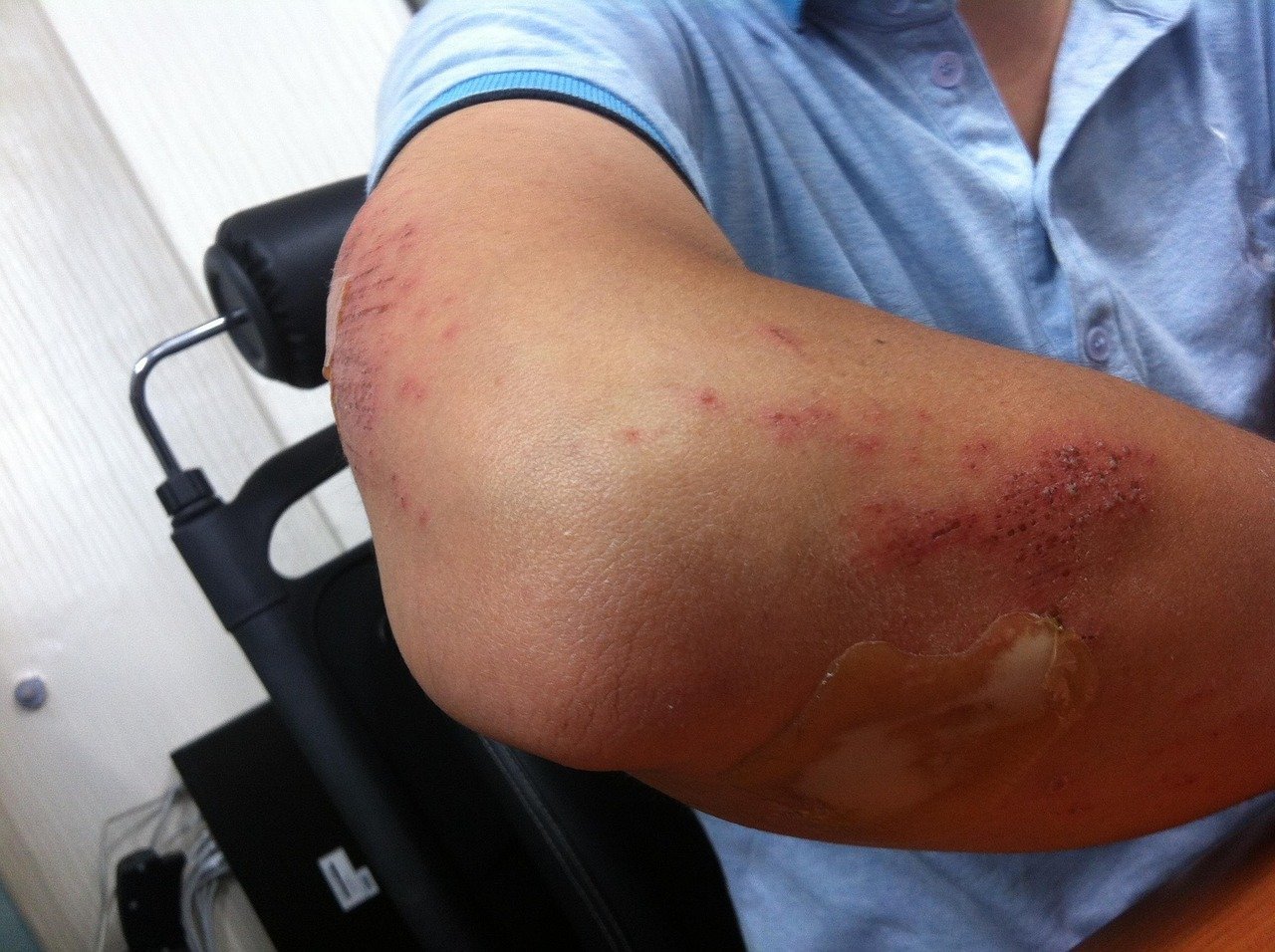
Perhaps the strongest evidence for red and infrared light therapy lies in its ability to support healing and tissue recovery of surface wounds. Red light has been shown to stimulate cell proliferation and circulation, which can aid the body’s repair processes.
A growing number of studies demonstrate improved wound healing with this therapy. A comprehensive 2024 meta-analysis of 18 randomized trials concluded that low-level laser and LED therapy significantly accelerates skin wound healing. Wounds treated with red or infrared light closed faster and had a higher rate of complete healing compared to untreated wounds.
A 2024 systematic review of 10 studies in knee arthritis concluded that photobiomodulation can significantly reduce knee pain at rest, though the certainty of evidence was low due to study limitations. Patients who received therapy reported lower pain scores and could move somewhat better, suggesting it may complement standard treatments like exercise and medication.
FDA Approvals and Clinical Guidelines: A Turning Point

In 2025, more than 20 specialists joined in a major consensus review which concluded that the therapy was safe and effective for several types of ulcer, peripheral neuropathy, acute radiation dermatitis, and androgenic alopecia. The US Food and Drug Administration also approved a red-light device for dry age-related macular degeneration. These are not minor milestones.
Since 2020, red-light therapy in the mouth has been included in clinical guidelines for preventing and treating cancer-therapy-related oral mucositis, which are painful mouth ulcers that can limit treatment and disrupt nutritional intake. Its inclusion in oncology care guidelines is a clear marker that this has crossed from experimental into accepted practice for specific uses.
In November 2024, the FDA granted de novo authorization for LumiThera’s Valeda Light Delivery System, making it the first approved photobiomodulation treatment for dry age-related macular degeneration. The eye health application is particularly compelling given the retina’s extraordinary density of mitochondria.
The Brain: An Emerging and Exciting Frontier
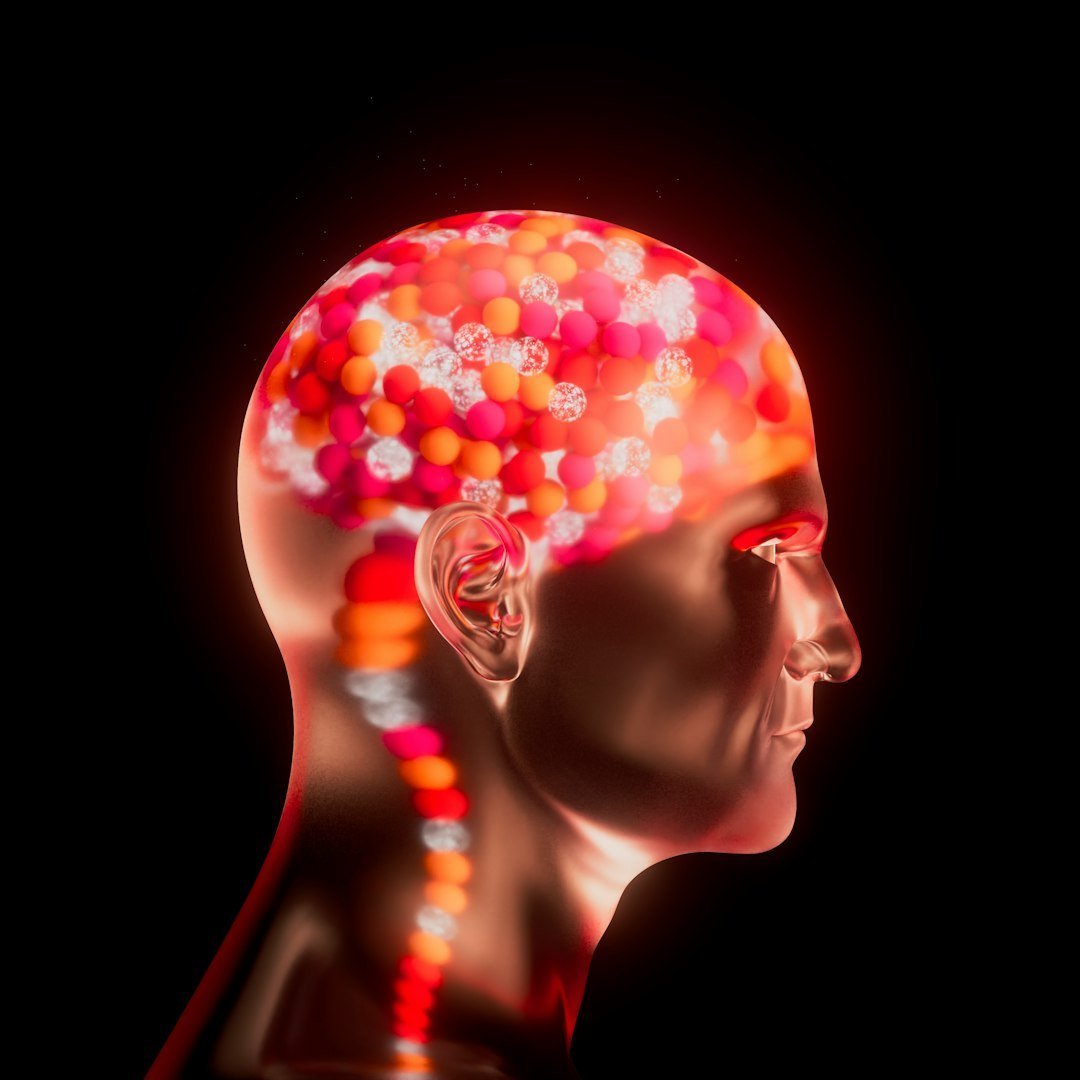
Photobiomodulation therapy on the brain employs red to near-infrared light to treat various neurological and psychological disorders. The mechanism involves the activation of cytochrome c oxidase in the mitochondrial respiratory chain, thereby enhancing ATP synthesis.
Research has demonstrated benefits including the repair of central nervous system damage, improvement of cerebral blood flow, stimulation of neurogenesis, promotion of synaptogenesis and cell migration, and elevation of brain-derived neurotrophic factor levels. Photobiomodulation has also shown effectiveness in treating traumatic brain injury and neurodegenerative disorders.
The clinical evidence for red light therapy in depression has expanded significantly, with multiple systematic reviews and meta-analyses demonstrating consistent therapeutic benefits. The most comprehensive meta-analysis by Ji et al. (2024) included 11 randomized controlled trials with 407 participants, finding significant reduction in depression symptoms with moderate effect sizes. These are early-stage findings, but they are generating real scientific momentum.
Myopia Control in Children: A Surprising New Use Case
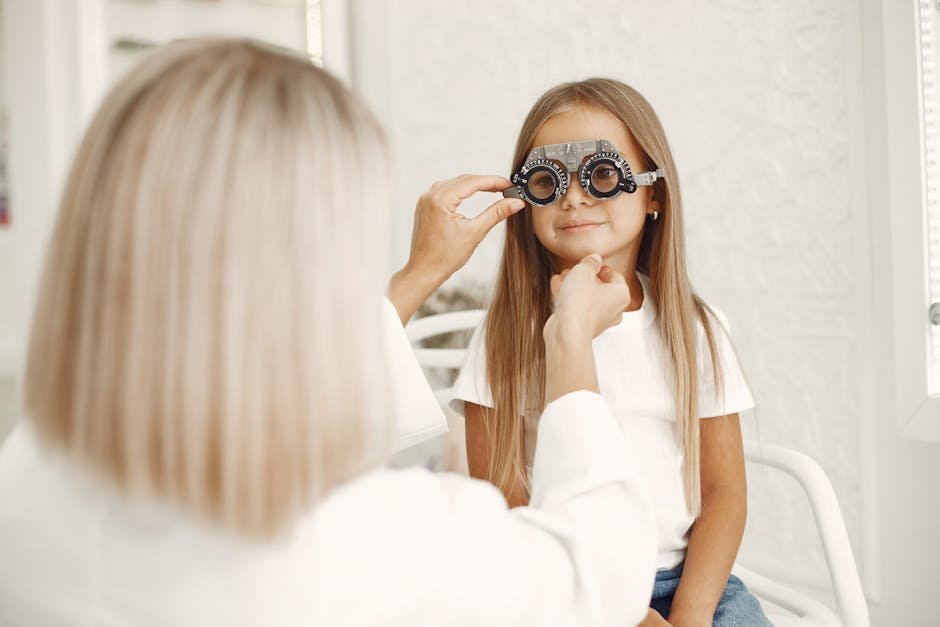
One of the more unexpected recent developments involves children’s vision. Axial shortening effects of repeated low-level red-light therapy in children with high myopia have been the subject of a multicenter randomized controlled trial published in the American Journal of Ophthalmology in 2025.
For ocular diseases, the target wavelength ranges between 630 to 800 nm. In most cases the primary target for red light is the cytochrome C oxidase enzyme in mitochondria, which alters gene expression and promotes cellular energy production. The retina’s response to light therapy is now one of the field’s most active research areas.
Many investigations have concentrated on cells with densely packed mitochondria, including those in human embryos and the eye. A new clinical trial sponsored by Columbia University in New York City will test whether brief exposure to red light can improve the quality of embryos produced during in vitro fertilization. The range of applications continues to widen in genuinely unexpected directions.
The Hype Problem: Where Caution Is Still Warranted
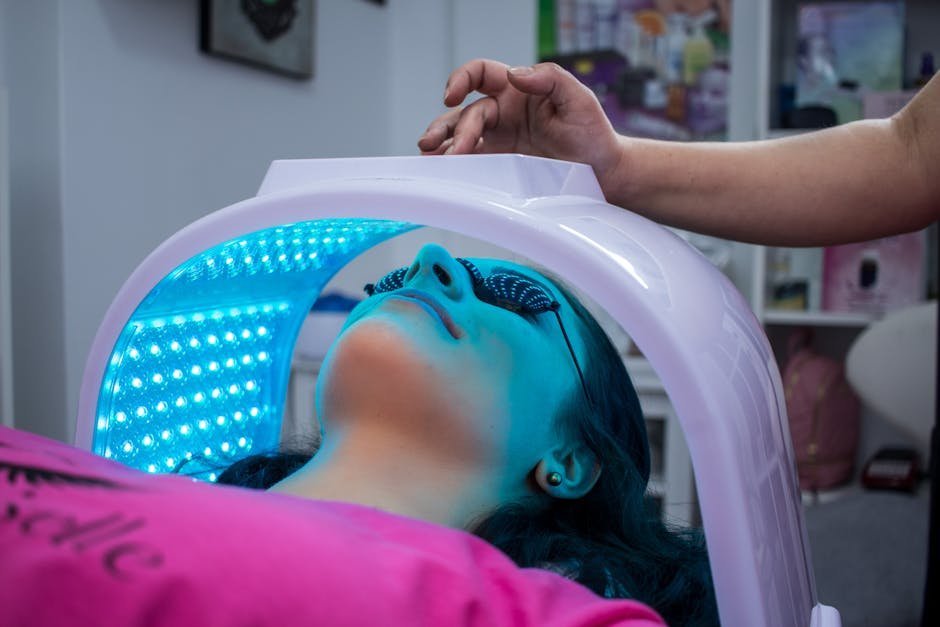
The commercial momentum around red light therapy is real and accelerating. The red light therapy devices market grew from roughly 421 million dollars in 2024 to 444 million dollars in 2025, and is expected to continue growing, reaching over 658 million dollars by 2032. Where there is money, there is also overreach.
Many of the published studies using red light therapy included only a small number of people, didn’t include a placebo group, weren’t conducted in humans, or were limited to cell tissue itself. Most researchers say results so far look promising, but that more quality studies with larger numbers of people are needed.
There is real evidence that shows red light can change biology. That’s not the same as saying it’s some kind of panacea for many different health conditions. The distinction matters. The genuine findings are meaningful enough without inflating them into something they’re not.
A Modern Paradox: We’re Getting Less Red Light Than Ever
The science behind these benefits is growing at a time when humans are exposed to less red light than ever before. People spend more time indoors away from the sun, and efforts to conserve energy have narrowed the spectrum of indoor lighting, eliminating many red and near-infrared wavelengths. Some scientists are now asking whether these factors might have biological consequences.
Scientists are rapidly expanding understanding of how specific wavelengths of light interact with biological systems, affecting mitochondria, inflammation, circulation, and even brain function. What was once considered a niche therapy is now being explored across many areas of medicine, from metabolic health to neurodegenerative diseases.
Scientists are gaining a clearer understanding of how to use light more effectively, including the importance of wavelength selection, dosing, timing, and treatment location. These insights are helping transform light therapy from a broad concept into a more precise therapeutic tool. The precision is what will ultimately separate the credible applications from the noise.
Conclusion: Between Science and Spectacle
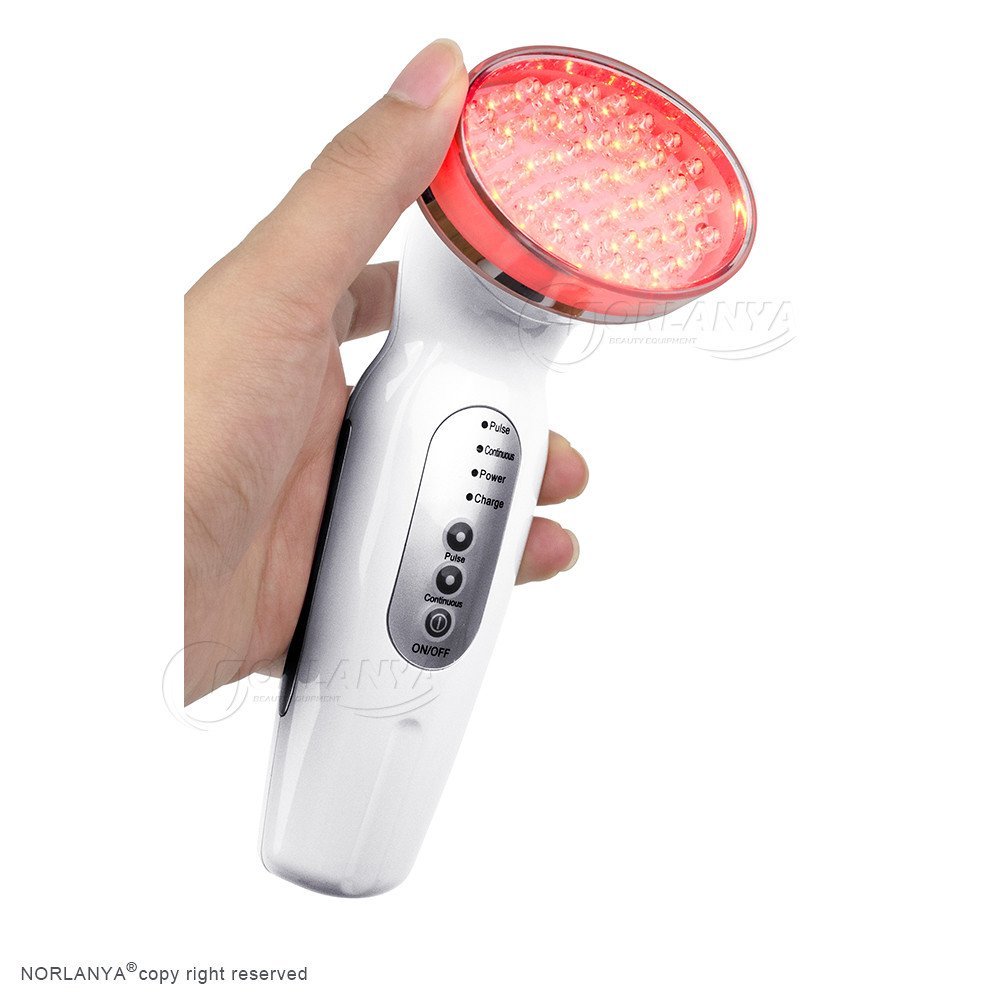
Red light therapy sits in a genuinely complicated place right now. Some of its applications are backed by robust, peer-reviewed, clinically validated evidence. Others remain promising but unproven, extrapolated from animal studies or early-phase trials that still need much larger confirmatory work. The current scientific evidence suggests that red light therapy can indeed work, but its effectiveness varies by use case and individual. It is not a cure-all, but it is far more than just placebo or hype.
One thing is becoming increasingly clear: light is far more than illumination. As research continues to advance, it may become one of the most versatile and fascinating tools for influencing human biology and health. The paradox of the name is fitting: something so ordinary, so ambient, so easy to overlook, turns out to have a reach inside the body that science is still working to fully understand.