

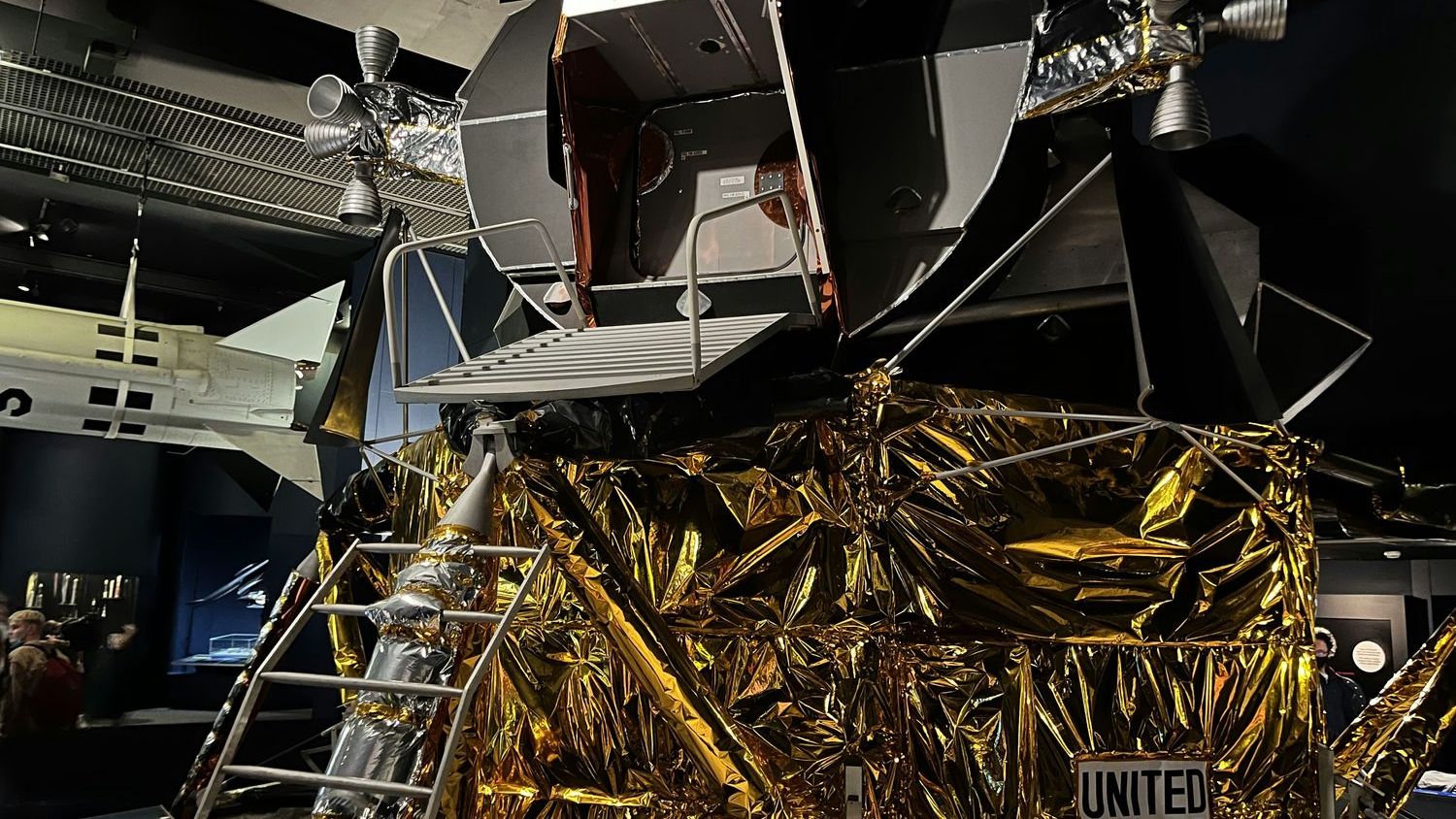
Pentagon Releases UFO Files That Go Back to the Apollo Moon Missions – Image for illustrative purposes only (Image credits: Unsplash)
The Department of Defense has issued a new collection of declassified materials on unidentified anomalous phenomena. These records include images and transcripts drawn from the Apollo moon missions conducted decades ago. The move adds historical depth to ongoing reviews of unexplained aerial events reported by government personnel.
Apollo Missions Enter the UAP Record
NASA’s Apollo program placed astronauts on the lunar surface between 1969 and 1972. During those flights, crews and support teams logged observations that later appeared in official channels. The newly released files place those accounts within the current framework for tracking unidentified anomalous phenomena.
Defense officials have made the materials public without attaching interpretations or conclusions. This approach keeps the focus on raw documentation rather than analysis. The Apollo connection extends the timeline of reviewed incidents back to the earliest crewed lunar operations.
From UFO Reports to Structured UAP Review
Terminology has shifted over time. What were once called UFOs now receive the designation UAP in official reporting. The change supports more consistent data collection across military and civilian agencies. The latest files apply this updated language to older mission records.
Reviewers can now examine the Apollo-era entries alongside more recent cases. This consistency helps identify patterns without relying on outdated labels. Government statements stress that the process remains evidence-based and free of premature assumptions.
Contents of the Latest Disclosure
The batch centers on visual and written documentation from the Apollo flights. Specific items cover photographs taken during lunar orbits and mission transcripts that reference observed events. These elements form the core of what has been made available.
Access to the files allows independent examination by researchers and the public. The release follows established procedures for handling sensitive historical data. No additional context or commentary accompanies the materials beyond basic descriptions.
- Photographic records from Apollo spacecraft
- Transcripts of crew and ground communications
- Descriptions of reported phenomena during the missions
Practical Effects on Stakeholders
Scientific and aviation communities gain direct access to these historical records. Analysts can cross-reference the Apollo data with contemporary UAP reports. This step supports broader efforts to catalog and study unexplained observations over time.
Defense and space agencies continue to manage the flow of such information. The emphasis stays on transparency while protecting operational details where required. Future releases may follow similar patterns as reviews progress.
The disclosure illustrates how past mission data can inform present-day inquiries. It leaves open questions about the nature of the recorded events while providing the raw material for further study.