

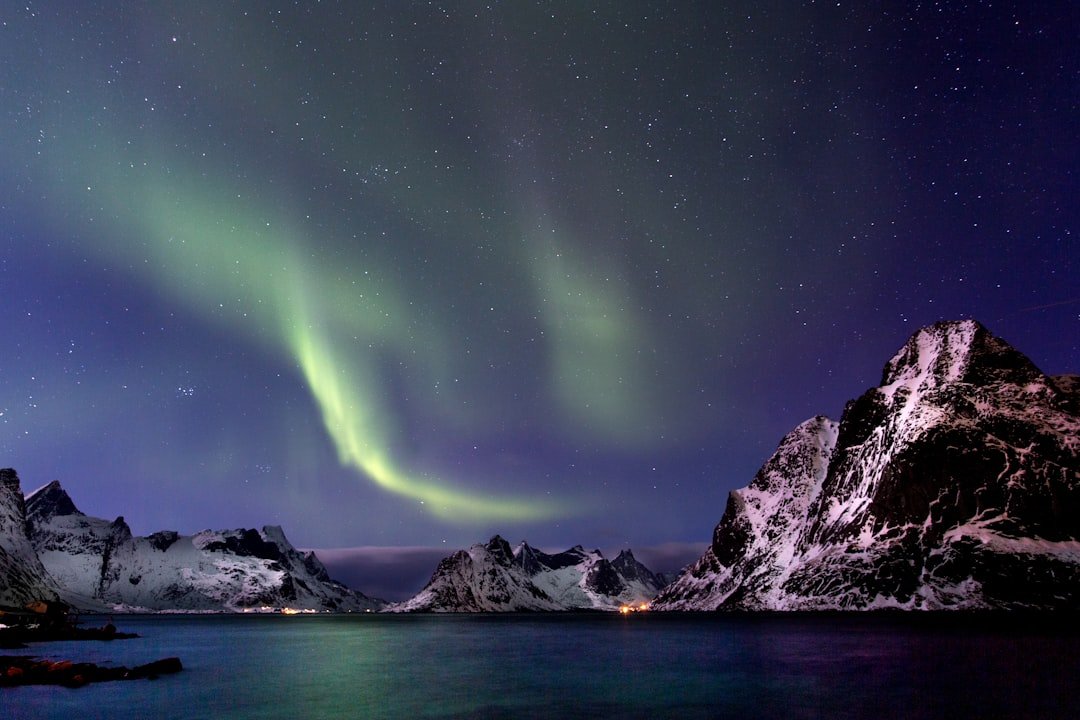
Sun’s Low-Key Flare Output Surprises Observers (Image Credits: Unsplash)
On April 12, 2026, the sun entered a notably subdued phase, marked by minimal flare activity and no major eruptions. Fast-moving solar winds from a coronal hole, however, persisted in agitating Earth’s magnetic environment. This dynamic underscored how even a tranquil star can influence our planet’s upper atmosphere, potentially lighting up northern skies with auroras.
Sun’s Low-Key Flare Output Surprises Observers
Over the previous 24 hours, from 11 UTC on April 11 to 11 UTC on April 12, the sun produced 17 flares, all classified as B-class or C-class. The strongest reached C2.4 intensity, occurring at 7:31 UTC and 4:55 UTC from regions near S07W80. No radio blackouts accompanied these events, signaling their modest scale.
Active region AR4416, in a beta magnetic configuration, led the flaring and showed signs of growth. Two other numbered regions appeared on the Earth-facing disk, keeping the total sunspot count low. Earlier in the week, up to seven regions dotted the solar surface, including the once-vigorous AR4409, now rotated out of view.
Coronagraph observations confirmed no Earth-aimed coronal mass ejections during this period. This quiet spell followed a brief uptick, such as the M1.0 flare from AR4409 on April 9-10 that caused a minor radio disruption.EarthSky report[1]
Coronal Hole Fuels High-Speed Solar Wind
A positive-polarity coronal hole high-speed stream drove solar wind speeds between 500 and 700 kilometers per second, with peaks hitting 700 km/s before easing. The interplanetary magnetic field fluctuated from 5 to 12 nanoTeslas, featuring intermittent southward Bz components. These conditions allowed charged particles to penetrate deeper into Earth’s magnetosphere.
Prior days saw similar influences, though geomagnetic responses fell short of full storms. The stream’s persistence kept conditions unsettled, contrasting sharply with the sun’s surface calm. Observers noted this as a classic example of non-eruptive solar wind effects dominating space weather.[1]
Geomagnetic Ripples Reach Active Levels
Earth’s magnetic field registered active status overnight, with the planetary Kp index hitting 4 and briefly 4+. Quiet to unsettled periods prevailed otherwise, at Kp 1-3. Southward Bz dips energized particles, but thresholds for a G1 minor storm remained unmet.
High-latitude locations like northern Scandinavia, Iceland, northern Canada, and Alaska saw the best chances for auroral displays. Skywatchers in places such as Fairbanks, Tromsø, and Reykjavík reported potential sightings amid these conditions. The activity stemmed directly from the solar wind’s pressure on the magnetopause.[1]
- Solar wind speeds: 500-700 km/s, declining to 500-600 km/s
- IMF strength: 5-12 nT
- Kp index: Up to 4 (active)
- No G1 storm confirmed
- Aurora ovals expanded toward mid-latitudes briefly
Forecast Points to Waning but Watchable Effects
Conditions on April 12 stayed active at Kp=4, with solar winds around 500-600 km/s. By April 13, levels should drop to quiet-unsettled (Kp 1-3), speeds 400-500 km/s, confining auroras to the core oval. April 14 might see renewed activity at Kp=4 from a secondary stream, though no CMEs loomed.
Solar flare potential remained low, with C-class events likely and a slim chance of M-class from AR4416. X-class flares appeared improbable. This outlook reflected the sun’s post-peak behavior in Solar Cycle 25, which topped out at 216 in August 2024; March 2026’s sunspot number rose to 85.9 from February’s 78.2.
| Date | Expected Kp | Solar Wind Speed (km/s) | Aurora Outlook |
|---|---|---|---|
| April 12 | 4 (active) | 500-600 | High latitudes |
| April 13 | 1-3 (quiet-unsettled) | 400-500 | Auroral zone only |
| April 14 | Up to 4 | Variable | Possible high-latitude shows |
Key Takeaways:
- The sun’s quiet phase relies on coronal holes for space weather impacts.
- Active geomagnetic conditions enhance aurora viewing without major flares.
- Monitor high latitudes for fading displays over the next days.
As solar wind influences subside, the interplay between our star’s subtle emissions and Earth’s defenses offers a reminder of space weather’s subtlety. Aurora enthusiasts should seize remaining opportunities in polar realms before conditions normalize. What auroral sights have you chased lately? Share in the comments.