

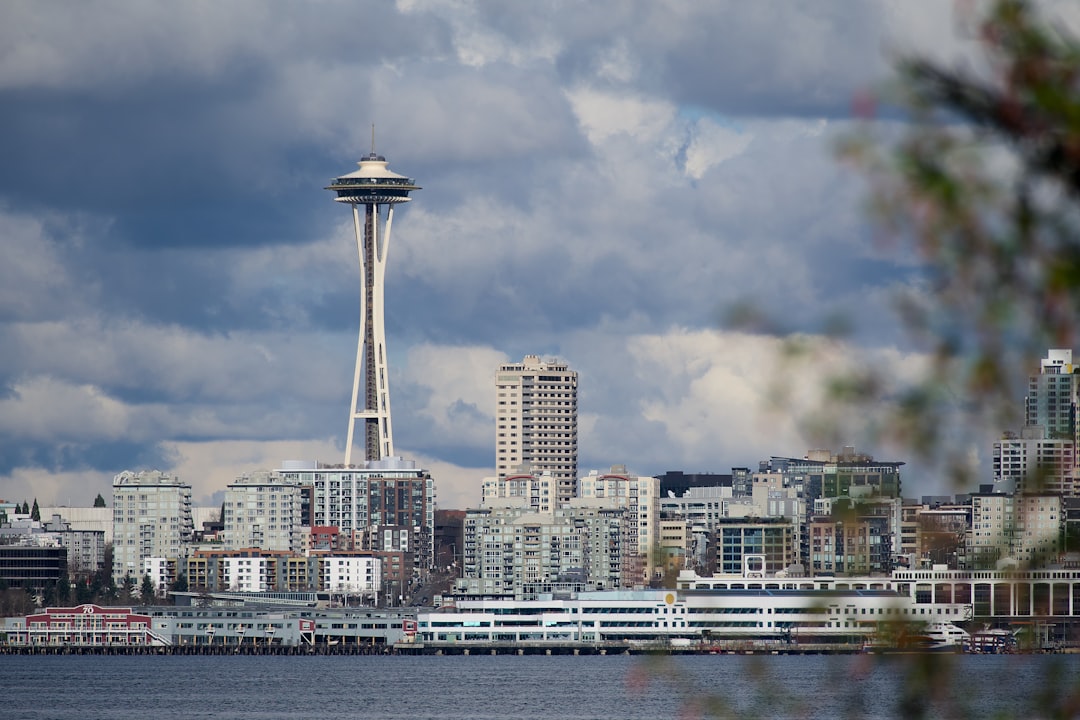
A Startling Sight Over the Sound (Image Credits: Unsplash)
Seattle – A dramatic waterspout captivated onlookers over Puget Sound on April 15 during a fast-moving storm. The funnel cloud formed from broad rotation near downtown, accompanied by pea-sized hail, but remained offshore and dissipated quickly. Local officials urged people to avoid the water as the rare phenomenon unfolded.[1][2]
A Startling Sight Over the Sound
Video from Magnolia captured the waterspout’s brief appearance, showing a slender column connecting cloud base to water surface. The National Weather Service confirmed the event as a short-lived waterspout west of the neighborhood. Storms brought heavy rain and gusts to western Washington that afternoon, creating ideal conditions for such rotation.[3]
No damage occurred since the feature stayed over water. Sightings like this remind coastal communities of nature’s sudden displays. Seattle’s typically mild April weather turned unusual with hail and this vortex, underscoring regional variability.[1]
Waterspouts: Tornadoes Reimagined Over Water
Waterspouts qualify as tornadoes that develop over bodies like oceans, lakes, or sounds. They generally prove weaker and briefer than their land-based counterparts. Yet these swirling columns pack enough force to disrupt maritime activities and threaten nearby shores.[1][4]
Unlike dust devils, waterspouts draw energy from warm, moist air near the surface. They often appear in tropical zones but strike temperate areas too, including the Great Lakes and Pacific Northwest. The Seattle instance aligned with a non-supercell storm, a common trigger.[1]
Comparing the Two Main Types
Waterspouts fall into fair-weather and tornadic categories, each with unique traits. Fair-weather versions arise in calm conditions, while tornadic ones link to thunderstorms. The table below outlines key differences.
| Type | Formation Direction | Weather Context | Risk Level |
|---|---|---|---|
| Fair-Weather | Upward from water | Light winds, cumulus clouds | Lower, short-lived |
| Tornadic | Downward from cloud | Thunderstorms, instability | High, like land tornadoes |
The Seattle waterspout leaned tornadic, tied to storm activity. Fair-weather types dominate hotspots like Florida’s Keys, numbering 400-500 yearly in the Gulf.[1]
Tracing Their Formation Step by Step
Fair-weather waterspouts evolve through distinct phases amid developing cumulus clouds. Warm water fuels the process until rain disrupts it. Here are the five stages:
- A dark spot or disk appears on the water surface.
- Spiral patterns emerge around the spot.
- A spray ring forms as rotation intensifies.
- The visible funnel descends, completing the waterspout.
- Decay follows, often from cooling rain.
Tornadic waterspouts demand unstable air and wind shear. They start as funnel clouds in thunderstorms, extending to water. Non-supercell storms frequently produce them, though supercells can too.[1][4]
Navigating the Risks and Staying Safe
These phenomena endanger boaters most, with flying debris posing greater threats than winds alone. Waterspouts can surge ashore as full tornadoes, causing structural harm. Mariners face capsizing or injury in rough seas.[1]
Safety measures mirror tornado protocols. Key steps include:
- Monitor marine warnings from the National Weather Service.
- Steer boats perpendicular to the path.
- Seek shelter indoors if approaching land.
- Avoid close encounters entirely.
Regions like the Florida Keys see peaks in late spring afternoons. Global reports from Taiwan to Australia highlight their worldwide reach.[1]
Key Takeaways
- Waterspouts mimic tornadoes over water but often weaken faster.
- Distinguish fair-weather from tornadic types for accurate risk assessment.
- Always prioritize marine warnings and distance to prevent harm.
The Puget Sound event serves as a vivid reminder that even rare weather can turn routine days extraordinary. Understanding these forces equips communities better for future surprises. Have you witnessed a waterspout? Share your story in the comments.