

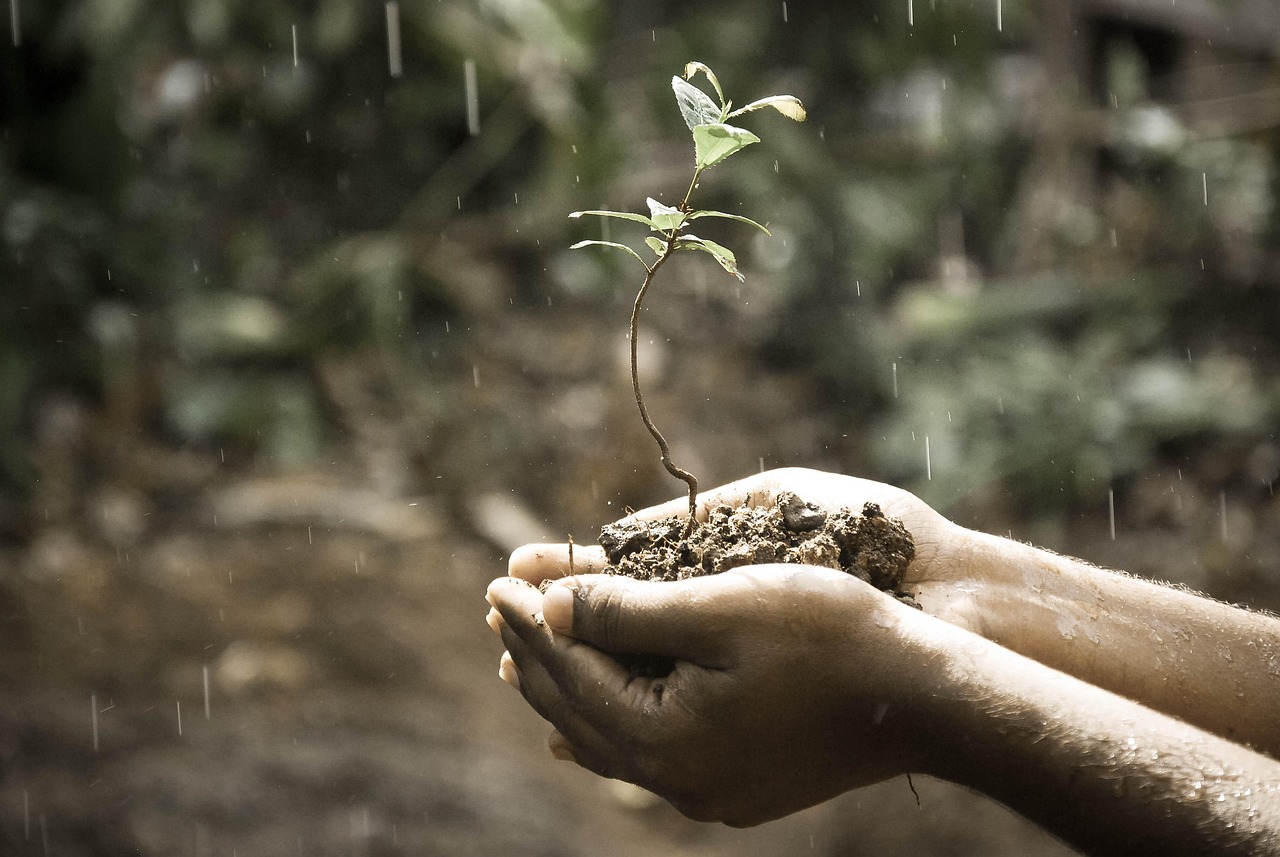
A Microbial Masterstroke in Evolution (Image Credits: Pixabay)
Deep beneath forest floors, microscopic fungi wield an extraordinary influence over the skies. Scientists recently uncovered how these organisms acquired bacterial genes millions of years ago, granting them the power to seed clouds and summon rain. This revelation highlights a hidden biological cycle that sustains ecosystems and challenges traditional views of precipitation.[1]
A Microbial Masterstroke in Evolution
Researchers identified a pivotal genetic event that transformed ordinary soil fungi into atmospheric influencers. Fungi from the Mortierellaceae family, including genera such as Fusarium and Mortierella, incorporated ice-nucleating protein genes from bacteria through horizontal gene transfer. This process, akin to a biological cut-and-paste operation, bypassed slow evolutionary timelines and equipped the fungi with instant capabilities.
The transfer occurred millions of years ago, allowing these fungi to produce proteins far more efficient than their bacterial counterparts. Unlike bacteria that anchor proteins to their surfaces, fungi secrete them directly into the soil. Lead author Diana R. Andrade-Linares, a postdoctoral fellow at the University of Limerick, detailed this in a study published in Science Advances.[1]
The Science of Seeding Storms
Clouds hold supercooled water droplets that resist freezing until temperatures plunge to -40°C. Ice-nucleating proteins act as catalysts, triggering crystallization at much warmer levels, often above -5°C. Fungal versions excel here: smaller, water-soluble, and airborne via wind from moist forest soils.
Once aloft, these proteins infiltrate clouds and initiate ice formation. Crystals grow heavy, plummet through warmer air, and melt into rain that replenishes the ground. Bacteria like Pseudomonas syringae perform similar feats from plant surfaces, but fungal proteins demonstrate superior activity and durability.[1]
| Feature | Bacterial INPs | Fungal INPs |
|---|---|---|
| Size | Larger | Smaller |
| Solubility | Surface-bound | Water-soluble |
| Freezing Trigger | Lower temperatures | Higher temperatures (>-5°C) |
Sustaining Forests Through a Bio-Precipitation Loop
These fungi form symbiotic bonds with plants, enhancing soil fertility and moisture retention. Their secreted proteins create a self-reinforcing cycle: damp conditions foster growth, wind disperses proteins skyward, and returning rain nourishes the ecosystem. Forests thus become natural rain generators, with fungi at the core.
“Tiny organisms on the ground – bacteria and fungi – have a superpower that allows them to reach up into the atmosphere and pull down the rain,” noted the researchers. This mechanism protects mycelial networks from frost and aids spore dispersal. Disruptions like deforestation threaten this balance, potentially intensifying droughts.[1]
Implications for Climate and Innovation
The findings urge a reevaluation of land management practices. Clearing forests severs the biological engine driving regional rainfall, with consequences amplified by climate change. Conservation efforts must now account for these microbial contributions to weather patterns.
Practical applications abound. Fungal proteins offer eco-friendly alternatives to silver iodide in cloud seeding programs. Countries like the UAE and China already experiment with seeding; biodegradable options could enhance rain induction, frost protection for crops, efficient snowmaking, and superior frozen food preservation.[1]
- Induce rainfall in arid regions without environmental harm.
- Shield agriculture from damaging freezes by releasing latent heat.
- Produce artificial snow for resorts using less energy.
- Prevent large ice crystals in foods, improving texture and quality.
- Develop chemical-free cooling technologies.
Key Takeaways
- Mortierellaceae fungi stole INP genes from bacteria via horizontal transfer, enabling rain control.
- Proteins seed ice in clouds at warmer temperatures, fueling a forest rain cycle.
- Potential revolutionizes cloud seeding and underscores forest conservation’s role in climate stability.
This discovery bridges soil biology and atmospheric science, revealing nature’s intricate designs. As researchers explore fungal INPs further – detailed in the Science Advances study – the path opens to sustainable weather interventions. What role do you see microbes playing in our future climate strategies? Share your thoughts in the comments.