

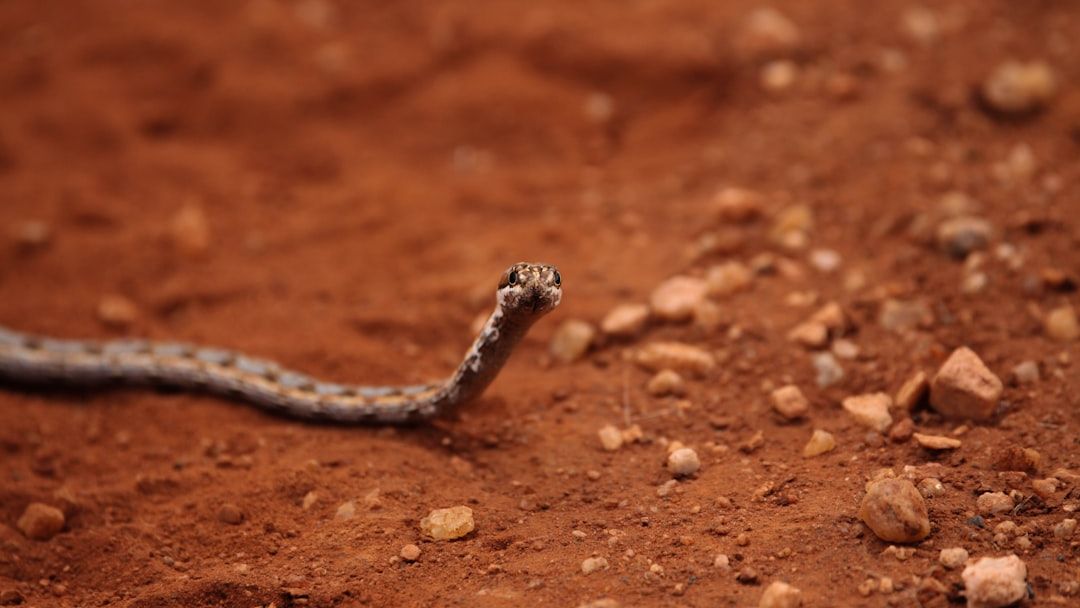
Preliminary Insights into Geographic Variation in Venom Profiles and Functional Activities of Nigerian Snakes, Bitis arietans and Naja nigricollis – Image for illustrative purposes only (Image credits: Unsplash)
Snakebites remain a serious health burden across sub-Saharan Africa, where the right treatment can mean the difference between recovery and lasting disability or death. In Nigeria, two common species – the puff adder and the black-necked spitting cobra – live in sharply different environments from the dry savanna in the north to the humid rainforest in the south. A new analysis of venom samples collected from these regions shows that the chemical makeup and activity of the venom can shift noticeably depending on location, which may help explain why some antivenoms work better in certain areas than others.
The Scale of the Problem in Nigeria
Snakebite envenoming ranks among the most neglected tropical diseases in the region, with limited access to effective antivenom adding to the challenge. Local ecological conditions appear to influence how snakes produce and store venom components, creating natural variation that standard treatments may not fully address. Researchers collected samples from Kaduna in the north and Ibadan in the south to compare these effects directly in the two species most responsible for bites. The work combined detailed protein analysis with laboratory tests that measure how the venom breaks down tissues, affects blood clotting, and triggers other harmful reactions. Results point to consistent patterns tied to geography rather than random differences between individual snakes. These findings remain preliminary because they draw from a small number of specimens, yet they highlight a practical issue for doctors and health planners who must decide which antivenom to stock in different parts of the country.
Distinct Patterns in the Puff Adder
The puff adder showed the clearest regional split. Venom from southern snakes contained higher levels of enzymes known as serine proteases, which speed up the breakdown of proteins and can worsen tissue damage. In contrast, northern samples stood out for greater amounts of lectins and particular forms of metalloproteinases, proteins that influence how blood clots and how cells respond to injury. These molecular differences translated into measurable changes during functional tests. Southern puff adder venom displayed stronger overall protease activity, suggesting it may cause more rapid local tissue destruction after a bite. Northern venom, while still dangerous, showed a different balance of effects that could alter the speed and type of symptoms patients experience.
More Subtle Shifts in the Spitting Cobra
The black-necked spitting cobra presented a more stable core structure across regions, built mainly around phospholipase A2 enzymes and three-finger toxins. Even so, southern samples carried elevated levels of a specific metalloproteinase and L-amino acid oxidase, enzymes linked to additional tissue damage and oxidative stress. Functional testing confirmed that protease activity stayed roughly similar between northern and southern cobra venom. However, the southern version showed noticeably stronger phospholipase A2 activity, which can intensify inflammation and cell membrane disruption. Such variations may influence how quickly symptoms progress and how patients respond to standard care.
Comparing the Regional Profiles
A side-by-side view of the main differences helps clarify why location matters:
| Species | Northern Venom Highlights | Southern Venom Highlights |
|---|---|---|
| Puff adder | Higher lectins and distinct metalloproteinase forms | Enriched serine proteases; stronger overall protease activity |
| Spitting cobra | Stable phospholipase A2 and three-finger toxin base | Elevated metalloproteinase III and L-amino acid oxidase; stronger phospholipase A2 activity |
These patterns emerged from integrated proteomic and biochemical work that mapped both the proteins present and their real-world effects. The study notes that the observed trends should be viewed as early indicators rather than definitive population-wide traits.
Next Steps for Treatment and Research
Health authorities may need to consider regional venom profiles when selecting or developing antivenoms, especially in a country as ecologically diverse as Nigeria. Additional sampling across more sites and larger numbers of snakes would help confirm whether the differences hold at scale. Improved understanding could also guide education for rural communities on recognizing bite symptoms that vary by area. The work underscores a broader point: effective snakebite care must account for local biology rather than assume uniform venom across wide territories. Continued research along these lines offers a path toward more reliable protection for people living where these snakes are common.