

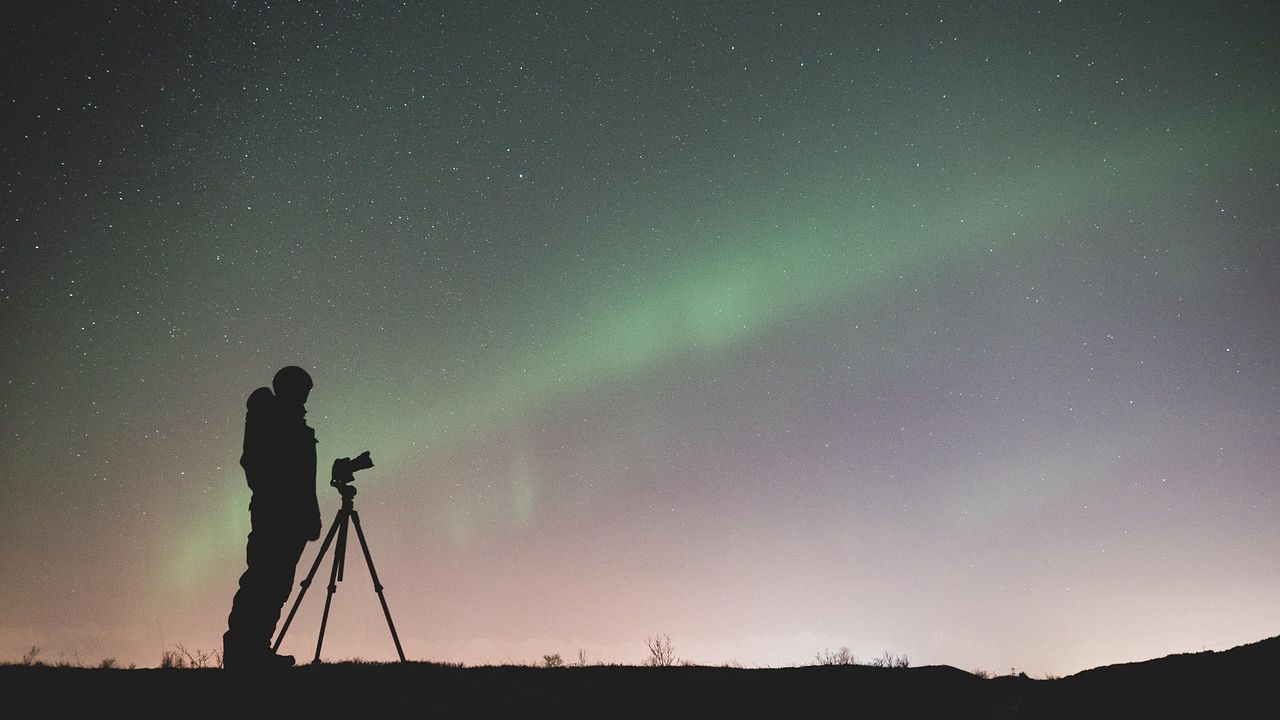
Going to space? Always, always pack a camera – Image for illustrative purposes only (Image credits: Pixabay)
Space missions have long depended on more than propulsion and instruments. Planetary scientist Candice Hansen-Koharcheck made the case that cameras belong at the core of every expedition. Her insistence on visual records changed how data from distant worlds reaches scientists and the public alike. The images that continue to arrive from probes and orbiters carry forward the priority she placed on seeing rather than only measuring.
Why Visual Records Outlast Raw Numbers
Measurements from spectrometers and magnetometers deliver precise values, yet they often require context to reveal their full meaning. A single photograph can show surface textures, cloud patterns, and unexpected features that numbers alone cannot convey. Hansen-Koharcheck recognized this gap early and pushed for cameras as standard equipment rather than optional add-ons. The result is a growing archive that lets researchers revisit observations years later with fresh questions.
Each new pixel returned from space adds to a cumulative record that no single dataset can replace. These images serve both immediate analysis and long-term comparison across missions. Without them, many discoveries would remain hidden in columns of figures. The approach she championed ensures that future teams inherit more than abstract readings.
From Mission Planning to Public Understanding
Engineers once treated cameras as secondary to primary science instruments. Hansen-Koharcheck argued that imagery strengthens the entire mission by providing immediate verification and broader context. Her perspective influenced how teams allocate resources during design phases. Today, most spacecraft carry dedicated imaging systems because the value has become widely accepted.
Public engagement also benefits when high-quality pictures accompany technical reports. A clear image of a planetary ring or a cratered surface communicates scale and complexity more effectively than text summaries. This dual role, scientific and communicative, reflects the balanced priority she advocated throughout her career.
A Legacy Measured in Every Returned Frame
The pixels now streaming back from active missions represent the practical outcome of her advocacy. Each frame carries the same emphasis on observation that she promoted decades ago. Researchers continue to mine these images for details that earlier instruments could not capture. The habit of including cameras has become standard practice across agencies and institutions.
Future missions will inherit this expectation as a baseline rather than an innovation. The approach ensures that exploration remains both measurable and visible. In that sense, the work she advanced continues without fanfare, embedded in the daily flow of data from beyond Earth.