

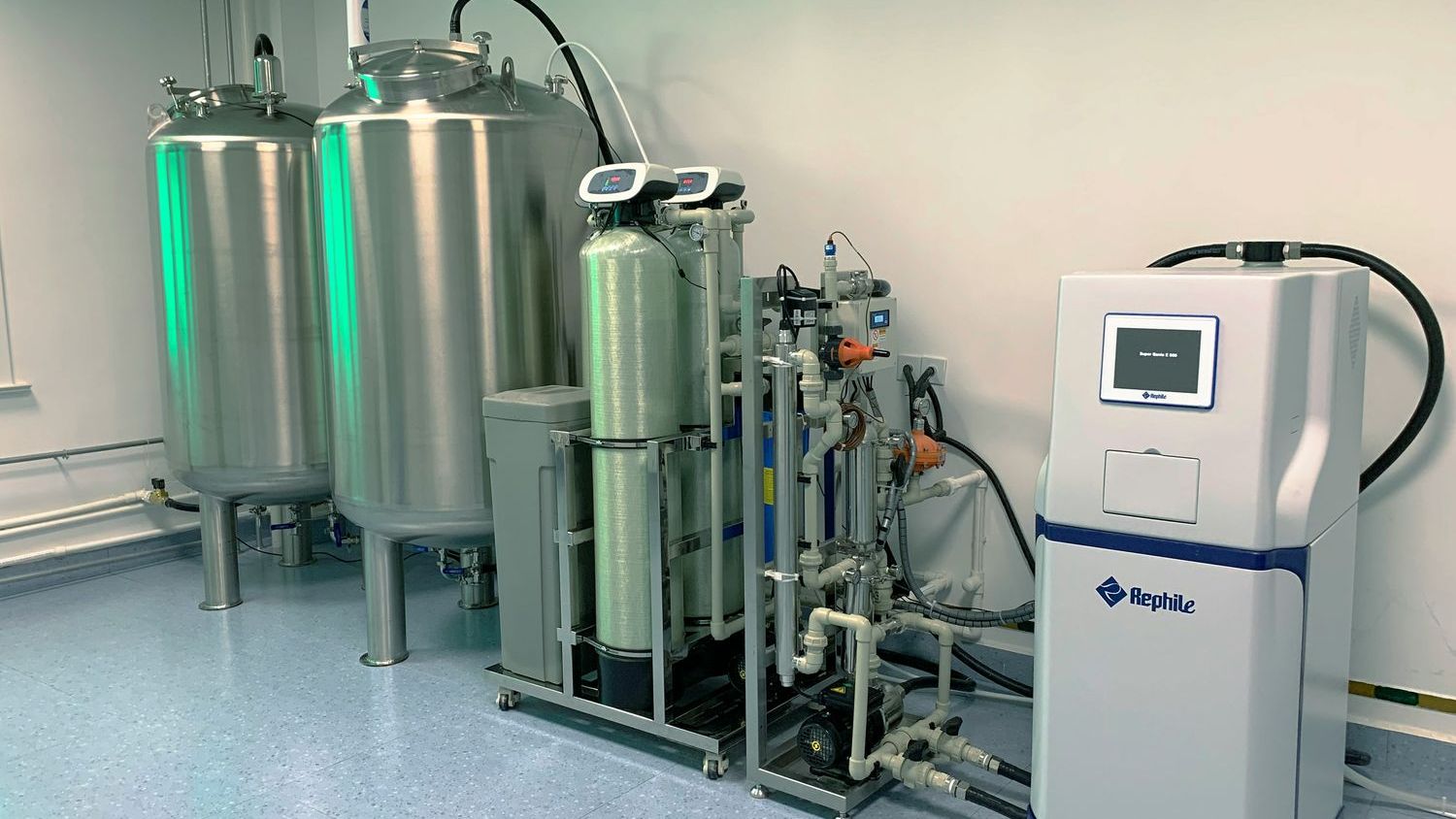
“Cannot be explained” – New ultra stainless steel stuns researchers – Image for illustrative purposes only (Image credits: Unsplash)
A team at the University of Hong Kong has created an ultra stainless steel that withstands the punishing conditions of seawater electrolysis in ways that current scientific models cannot fully account for. The alloy maintains its integrity under the high salinity, fluctuating pH levels, and electrical stresses that rapidly degrade ordinary stainless steels. Its performance opens a practical route to replacing expensive titanium components in systems designed to split seawater into hydrogen and oxygen.
The Demands of Producing Hydrogen from Seawater
Green hydrogen offers a clean fuel option when generated through renewable-powered electrolysis, yet most existing setups rely on purified freshwater to avoid rapid equipment failure. Seawater presents a far harsher medium because dissolved salts accelerate corrosion and damage electrodes and structural parts. Engineers have long sought affordable materials that can endure these conditions without frequent replacement or protective coatings.
Conventional stainless steels corrode quickly in such environments, forcing reliance on titanium or specialized coatings that drive up system costs. The Hong Kong development targets this exact bottleneck by delivering corrosion resistance that approaches titanium levels at a fraction of the expense.
An Unexpected Double-Protection Mechanism
The new steel relies on two simultaneous defense layers that activate under operational stress. One layer forms a stable passive film on the surface, while the second involves internal microstructural adjustments that limit crack propagation and ion penetration. Researchers observed this combined behavior during prolonged exposure tests in simulated seawater electrolysis setups.
Standard stainless steels depend primarily on a single chromium-rich oxide layer that breaks down under chloride attack. The additional internal protection in the Hong Kong alloy appears to self-repair or redistribute in response to damage, a feature not predicted by existing corrosion theories. The team described the overall resistance as something that “cannot be explained” by current understanding of stainless steel behavior.
Performance Gains Over Existing Materials
Testing showed the ultra stainless steel retained structural integrity after extended immersion and electrochemical cycling that would destroy conventional grades. Its corrosion rate remained orders of magnitude lower than typical 316L stainless steel under identical conditions. At the same time, the material avoided the pitting and crevice corrosion that plague most iron-based alloys in saline environments.
| Material | Corrosion Rate in Seawater Electrolysis | Relative Cost | Replacement Frequency |
|---|---|---|---|
| Conventional Stainless Steel | High | Low | Frequent |
| Titanium Alloys | Very Low | High | Rare |
| New Ultra Stainless Steel | Very Low | Moderate | Rare |
These results suggest the alloy could serve as a direct substitute for titanium in electrolyzer frames, piping, and electrode supports while keeping overall capital costs manageable.
Path Toward Wider Adoption in Clean Energy
Lower material costs could accelerate deployment of seawater-based hydrogen plants in coastal regions where freshwater is scarce. The steel’s durability also reduces maintenance downtime, improving the economic case for green hydrogen projects that must compete with fossil-fuel alternatives. Early indications point to compatibility with existing manufacturing processes, which would ease scaling from laboratory samples to industrial volumes.
Further validation through pilot-scale electrolyzers will determine long-term stability under real-world voltage fluctuations and temperature swings. If those tests confirm the initial findings, the alloy could shorten the timeline for cost-competitive seawater hydrogen production by several years.
Questions That Remain
While the double-protection behavior has been documented in controlled settings, the precise atomic-level interactions responsible for its stability are still under investigation. Researchers continue to explore how minor changes in alloy composition or processing might enhance or diminish the effect. Independent replication by other laboratories will be essential before widespread engineering adoption.
The discovery underscores how incremental advances in materials science can unlock larger shifts in renewable energy infrastructure. Continued work at the University of Hong Kong and elsewhere will clarify whether this ultra stainless steel becomes a standard component in next-generation hydrogen systems.