

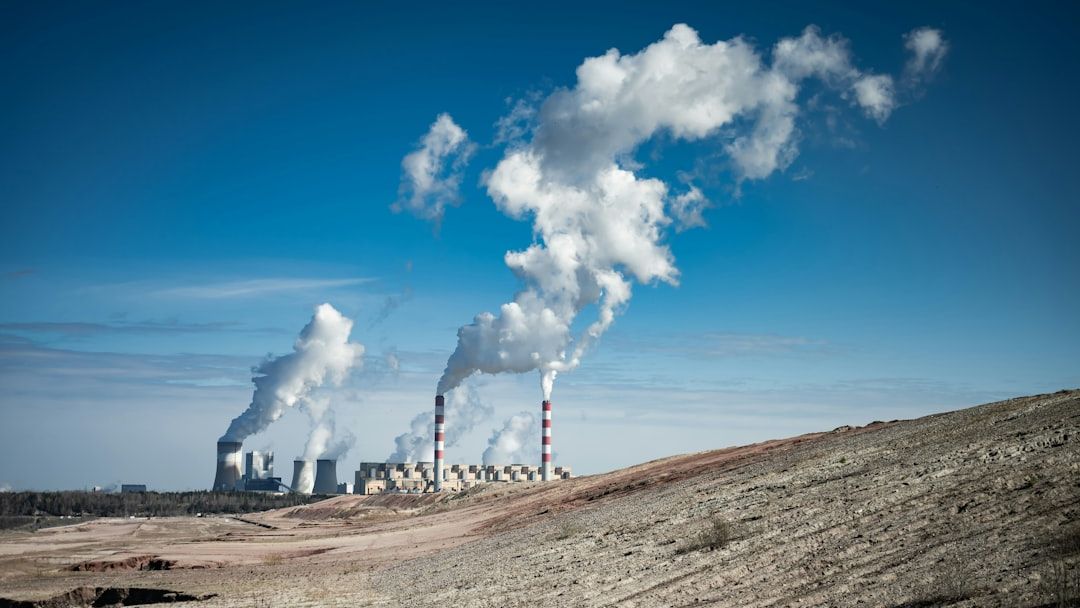
Santa Marta summit kick-starts work on key steps for fossil fuel transition – Image for illustrative purposes only (Image credits: Unsplash)
Santa Marta, Colombia – With oil prices surging amid the Iran conflict, representatives from 57 nations gathered in this coastal city to outline strategies for easing their economies away from coal, oil, and gas. The conference, hosted by Colombia and the Netherlands, concluded on Wednesday after days of dialogue involving ministers, scientists, Indigenous leaders, labor groups, and business figures. Frustrated by stalled progress at recent UN climate talks, participants sought actionable paths forward, building on a COP28 pledge to transition from fossil fuels.
A Response to Stalled UN Talks
The Santa Marta meeting emerged as a direct counterpoint to the impasse at last year’s COP30, where efforts to craft a global fossil fuel phase-out plan faltered. Large producers had resisted firm commitments, leaving governments eager for alternative forums. This gathering provided a less formal setting, free from binding negotiations, which allowed for open exchanges on national challenges and opportunities.
Colombian Environment Minister Irene Vélez Torres highlighted the event’s novelty during the closing session. “For the first time, it demonstrates that it is possible to make a different type of environmental democracy,” she stated. The outcomes now contribute to a voluntary roadmap under development by Brazil, the COP30 host, incorporating feedback from attendees and civil society.
Three Core Workstreams Take Shape
Organizers established three focused initiatives to guide the transition. The first targets national and regional roadmaps, coordinating technical and financial aid for implementation. The second addresses economic reforms, such as curbing fossil fuel subsidies, mobilizing investments, and easing debt burdens that hinder shifts to clean energy.
The third workstream aims to reorient international trade, linking producers and consumers in ways that prioritize low-carbon goods and services. A new panel of energy transition experts will offer scientific guidance, helping align these plans with countries’ climate commitments. Vélez Torres announced a follow-up conference early next year in Tuvalu, co-chaired by Ireland, to advance this process alongside annual UN climate summits.
Early Commitments and National Voices
France led by example, unveiling its timeline: an end to coal use by 2030, oil by 2045, and fossil gas by 2050 in energy production. Dutch Climate Minister Stientje van Veldhoven emphasized voluntary participation. “Nobody is gonna force governments to implement the anticipated roadmaps,” she noted, but added that attendees shared a clear intent to build cleaner economies.
Reactions varied yet remained largely constructive. Nigeria stressed a “managed, just, orderly and equitable” approach, cautioning against abrupt changes. Ghana, reliant on oil revenues for public services, pushed for a global Fossil Fuel Treaty, though it did not make the formal agenda. Delegates from the Dominican Republic and others expressed emotional gratitude for the inclusive atmosphere.
What matters now: The workstreams offer tailored support, but success hinges on scaling up participation beyond the initial 57 nations.
Calls for Inclusion and Unaddressed Gaps
While praised for its collaborative tone, the summit drew critiques for limited invitations. Major players like the United States, Russia, and China stayed away, prompting Pacific leaders such as Tuvalu’s Maina Vakafua Talia to urge broader engagement. “If we are missing out the main players in the discussion, then we are moving in a loop,” he observed.
Indigenous representatives welcomed the focus on fossil fuel reduction but called for protections like exclusion zones in rainforests. Health advocates, including the Global Climate and Health Alliance, pointed out a missed emphasis on pollution and heat-related harms. Observers like Catherine Abreu of the International Climate Politics Hub described the talks as a productive space for thorny issues, while WWF’s Manuel Pulgar Vidal saw it fostering sustained momentum.
Pathways to Influence Broader Diplomacy
Participants viewed Santa Marta as complementary to UN processes, with potential inputs for upcoming Bonn intersessional talks and COP31 in Türkiye. Switzerland’s Felix Wertli identified collaboration opportunities in grids, storage, and green finance. Pacific envoys like Marshall Islands’ Tina Stege affirmed that the dialogue would inform COP agendas.
EU and UK officials hailed the event’s timing post-COP30 tensions. Panama’s Juan Carlos Monterrey called the fluid discussions a “massive change in how we deal with environmental diplomacy.” As the coalition grows, it could pressure holdouts and embed transition roadmaps into global norms.
This summit marks a deliberate pivot: from deadlock to dialogue, laying groundwork for economies less tethered to volatile fuels. The road ahead demands persistence, but Santa Marta’s framework offers a viable starting point.