


Smart homes were supposed to make life simpler. One tap, one voice command, one seamless ecosystem humming quietly in the background. That was the promise. The reality, for a growing number of households, looks quite different: multiple apps competing for attention, devices that stop talking to each other after a router reboot, and privacy settings so convoluted that most people just leave them on default and hope for the best.
Despite rapid advances in smart technology, industry insights reveal that nearly one in five users fails during the initial setup phase, with many homeowners finding themselves overwhelmed by complexity rather than empowered by convenience. The market itself keeps growing, but the gap between what smart homes promise and what they deliver day to day is wider than the marketing suggests. Three specific settings are largely to blame.
1. Over-Automating Everything at Once

Automation is the headline feature of any smart home system. Set up a routine, sit back, and let the house do the thinking. In practice, though, piling on too many automations too quickly creates a system that behaves unpredictably, and unpredictability is exhausting to live with. A 2024 study in the field of Human-Computer Interaction found that excessive automation can reduce user control and increase frustration precisely when systems behave in ways users didn’t anticipate.
According to a 2024 Smart Home Survey, roughly three in ten smart home owners say they actually spend more time managing their home with smart devices than they did before, suggesting these technologies may add complexity in other areas even as they simplify certain tasks. That’s a striking trade-off for something that was sold as a time-saver.
A fully integrated system might mean your smart bulb talks to your Apple Home setup without drama, but your robot vacuum still needs three apps to reach its full feature set. The instinct to automate everything from lighting to coffee to window blinds in one go collides with the reality that not all devices are built to cooperate seamlessly. The smarter move, counterintuitively, is to automate less and do it deliberately.
2. Ignoring Your Privacy and Data Collection Settings
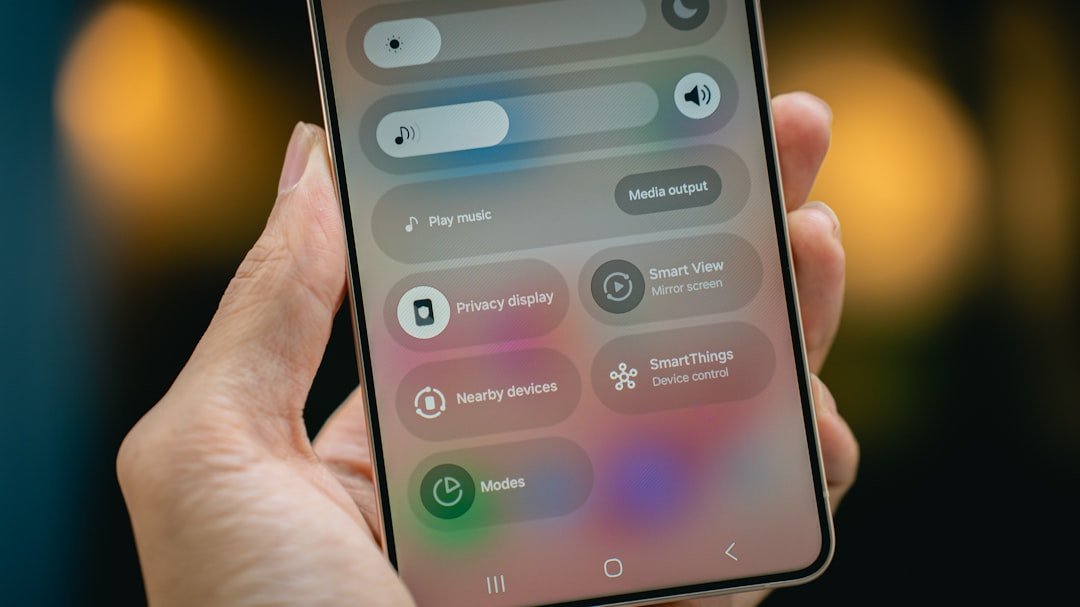
Parks Associates research found that roughly three in four smart home product owners are concerned with the security of the personal data collected and transmitted by their smart home devices. Yet concern doesn’t always translate into action. Most users set up a device, skip through the permissions screens, and move on, leaving data-sharing settings at whatever the manufacturer chose as the default.
The collection and processing of user data in smart home environments currently lack transparency and control, and these applications operate within a space that carries an implicit and legally protected expectation of privacy. That gap between expectation and reality is worth taking seriously. Devices capture detailed behavioral data, documenting daily routines from sleep schedules to entertainment choices, and while manufacturers assert that anonymized data fuels product improvements, privacy advocates warn that aggregate profiles can be re-identified.
In many cases, users are either unaware of data collection altogether, or at least unaware of its scope. Even when users are aware, options for control are often very limited. Consumer Reports research from 2023 confirmed that many smart home devices collect more data than users expect, often with privacy settings spread across multiple menus and buried in terms of service. The irony is that the setting most people never touch is often the one doing the most work in the background.
3. Mixing Incompatible Ecosystems Without a Unified Protocol
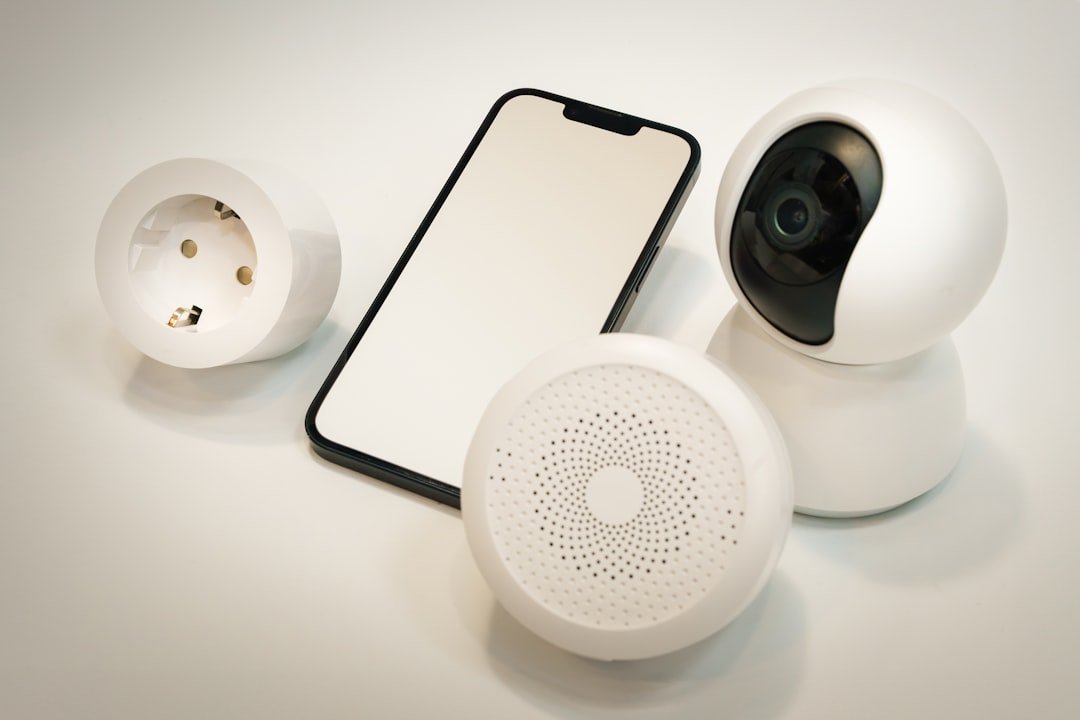
The Matter protocol was established with the ambitious goal of alleviating the frustration people feel when connecting devices to their home network, aiming to change how products interact at a technical level so devices, regardless of brand, can communicate with each other. Complexity of setup and a lack of integration remain some of the biggest barriers to widespread smart home adoption. Many users don’t know this going in. They buy a thermostat from one brand, a security camera from another, and smart bulbs from a third, assuming everything will work together cleanly through a single app.
As of mid-2025, Matter hasn’t yet fully lived up to its promise, and the vision of a seamless, one-size-fits-all smart home still feels significantly out of reach. Parallel networks created by competing devices remain a common cause of connection problems in everyday life and a serious source of frustration for users. A 2023 survey by Parks Associates found that more than half of smart home device owners experienced technical issues including connectivity failures and device conflicts.
Many consumers end up spending hundreds or even thousands of dollars on devices that fail to integrate properly. When it comes to smart device protection and management, more than half of users worry about their home network being hacked or their Wi-Fi-connected camera systems compromised. Mixing ecosystems without understanding how they communicate doesn’t just complicate daily use. It also creates security gaps, especially around cameras and locks, that misconfigured settings can leave wide open. Common vulnerabilities like weak passwords, insecure Wi-Fi networks, and outdated software are routinely exploited by attackers to gain unauthorized access to smart home devices and sensitive data.
The Quiet Cost of Getting It Wrong
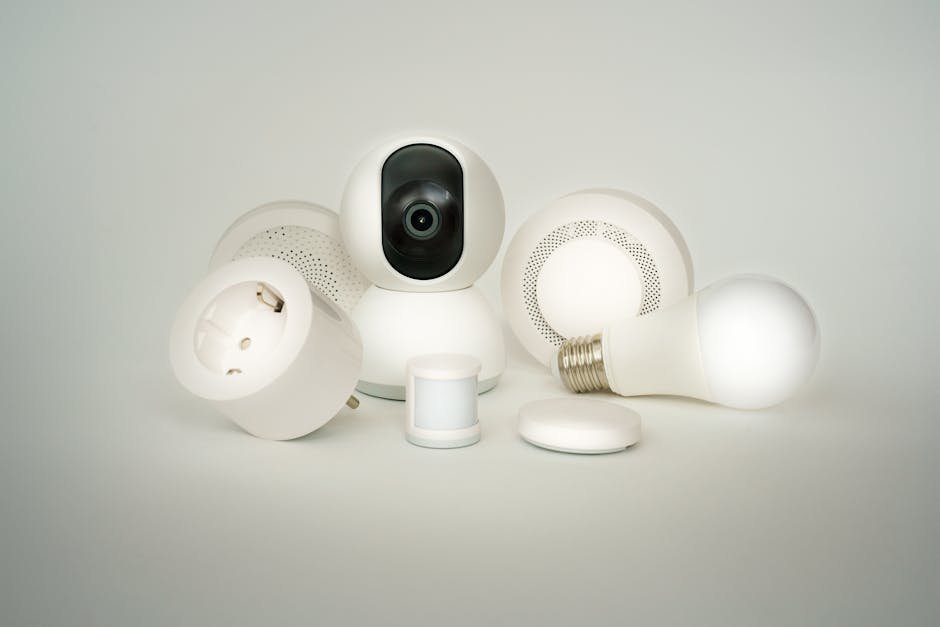
Smart home technology is genuinely useful when it’s set up thoughtfully. The problem isn’t the devices themselves. It’s the default assumption that more automation, default privacy settings, and multi-brand freedom are all wins. Often, they aren’t.
Research from Parks Associates makes this plain: consumers’ homes are becoming more complex and, in turn, more vulnerable to privacy and security breaches, with many consumers not knowing how to properly manage and secure their devices, leaving them at risk for data collection they never consented to. That’s not a gadget problem. That’s a settings problem.
The good news is that each of these three issues is fixable without ditching your devices. Trim the automations to only what genuinely saves time. Spend twenty minutes reviewing data and permissions settings in each companion app. Check whether the devices you’re buying share a compatible standard before you commit. Small adjustments in these three areas tend to produce a home that actually behaves the way the brochure described: quietly useful, and mostly out of the way.