
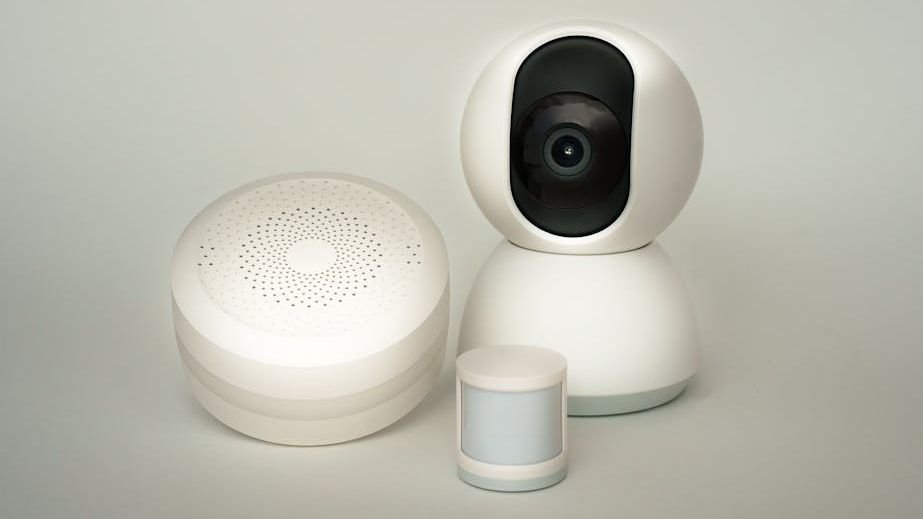

Smart homes were supposed to be the answer. Lights that knew when you were tired. Thermostats that learned your schedule. Locks that unlocked before you reached the door. The pitch was seamless, intuitive living, and for millions of people, that pitch was convincing enough.
A remarkable 93% of Americans now own at least one smart home device, and roughly two in five report that the majority of their home devices are now “smart.” That’s an astonishing level of adoption for technology that still, quietly, drives a significant portion of its users up the wall. The irony isn’t lost on anyone who has shouted a command at a speaker three times in a row and gotten a weather report instead of the light turning off.
The Time Management Trap Hidden Inside “Smart” Automation

The whole premise of a smart home is that it saves you time. That’s the deal. So it comes as a genuinely uncomfortable surprise when the data says otherwise. According to a 2024 survey of over 1,000 homeowners and renters conducted by American Home Shield in December 2024, roughly three in ten smart home users say they actually spend more time managing their home with smart devices than they did before.
This suggests that while these technologies can simplify certain tasks, they may add complexity in other areas. The trap is that automation settings which seem helpful on day one often multiply into a web of rules, schedules, and exceptions. You set one routine, which conflicts with another, which requires a third override.
Research published in the 2024 CHI Conference on Human Factors in Computing Systems found that a fully manual setup can easily become demanding and frustrating, especially when the number of devices increases. A fully automated setup, by contrast, might be more convenient yet can move the user out of the loop entirely. Either way, someone loses something.
Aggressive Scheduling That Overrides the People Who Actually Live There

Automation schedules are one of the most commonly misconfigured settings in any smart home. They look logical at the planning stage. In daily life, they create conflict. When device managers set up automations or schedules for shared devices, everyday users often are not alerted to them and don’t understand why device behavior is changing or why their manual adjustments get overridden. This creates frustration and confusion, especially when automated settings conflict with immediate needs.
A scheduled setting will automatically try to reassert itself after someone adjusts it manually, causing household members to get annoyed. This lack of automation visibility can disrupt household harmony and force device managers to abandon complex settings they had carefully worked on. In other words, the person who built the system ends up dismantling it to keep the peace.
Device managers often become the default technical intermediary for the entire household, responsible for both complex automation implementation and simple daily requests. When creating schedules and routines, they must consider everyone’s needs, preferences, and potential conflicts, sometimes with incomplete information about what other household members want.
Privacy Settings That Create More Confusion Than Protection
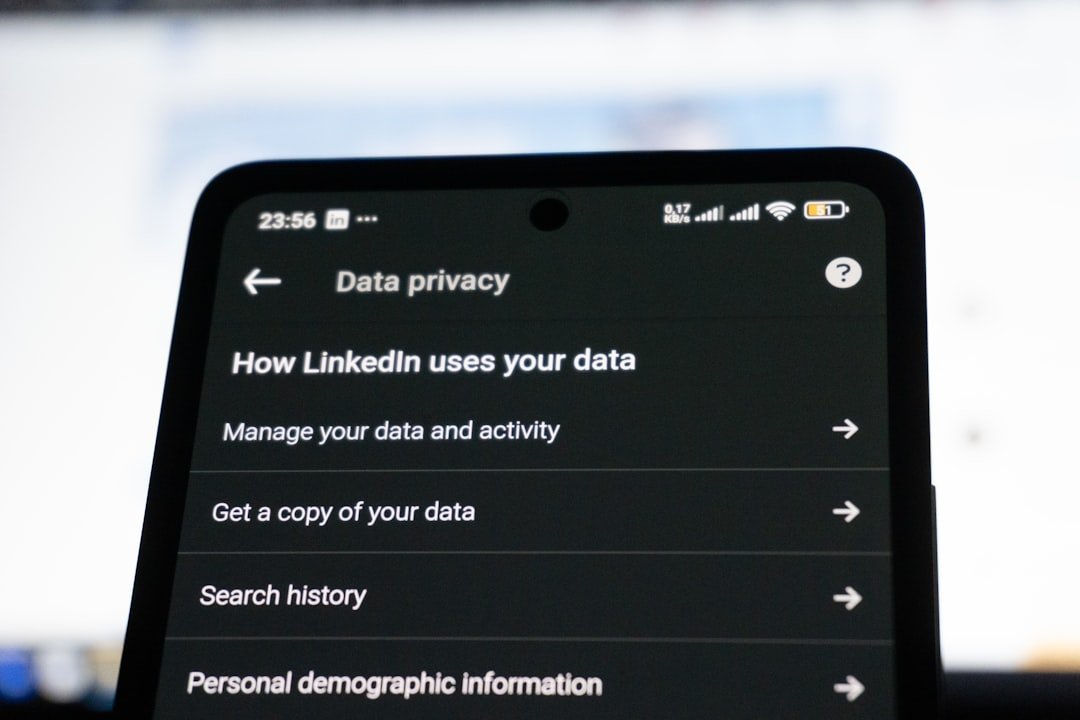
Most people assume the privacy settings on their smart devices are a reasonable safeguard. In practice, they are rarely read, rarely understood, and often set up in ways that provide minimal actual protection. More than half of smart thermostat owners said they had no idea how their devices collected and used data. This highlights a critical communication gap between manufacturers and consumers.
The collection and processing of user data in smart home environments currently lack transparency and control. Smart home applications operate within the home, a space that is both morally and legally particularly protected and characterized by an implicit expectation of privacy. Yet the settings designed to manage that privacy are buried, technical, and often confusing to navigate.
Many users are not fully informed about what data is being collected, how it’s stored, or who it’s shared with. Consent processes are often buried in lengthy policies, making transparency a challenge. Enabling every default privacy option without understanding what each one does can create a false sense of security while doing little to reduce real exposure.
Notification Overload: When Alerts Stop Being Useful

Push notifications are one of those settings that feels reassuring to enable. Motion detected. Door opened. Temperature changed. Each alert on its own sounds like useful information. In aggregate, they become noise. Users often rely on notifications to stay informed and take appropriate action. When not designed well, however, notifications can turn into noise and frustrate users.
To ensure notifications are genuinely valuable, they should surface what is wrong, why it matters, and what to do next, ideally allowing remote resolution. Most default notification settings do none of those things well. They report activity without context, which means users either ignore all of them or spend time investigating events that require no action.
The result is a setting meant to improve awareness that actively undermines it. Users who max out their alert settings often respond by disabling them entirely, leaving their system less monitored than it was before. A calibrated, intentional notification setup is far more valuable than an exhaustive one.
The Multiple App Problem and the Fragmented Ecosystem

One of the most persistent frustrations in the smart home world isn’t a single setting. It’s the structural reality of how most ecosystems are built. The primary issue in the smart home industry is fragmentation due to a lack of interoperability among devices from different manufacturers. This fragmentation forces users to manage multiple applications and interfaces to control their devices, complicating the user experience.
The smart home market has exploded, but with it came fragmentation. Until recently, every manufacturer used their own standards and protocols, forcing developers to build separate integrations for each ecosystem. Consumers, meanwhile, had to juggle multiple apps and hubs. This isn’t how most people expect technology to work in 2026.
The Matter standard, developed by the Connectivity Standards Alliance and backed by Amazon, Apple, Google, and Samsung, was designed to address exactly this problem. Matter is a technical standard for smart home and Internet of Things devices, aiming to improve interoperability and compatibility between different manufacturers while always allowing local control as an option. However, not every legacy device is upgraded yet, though the trend is clear, with Matter rapidly becoming the baseline for connectivity in new smart home gadgets.
Security Settings That Actually Open Doors Instead of Closing Them
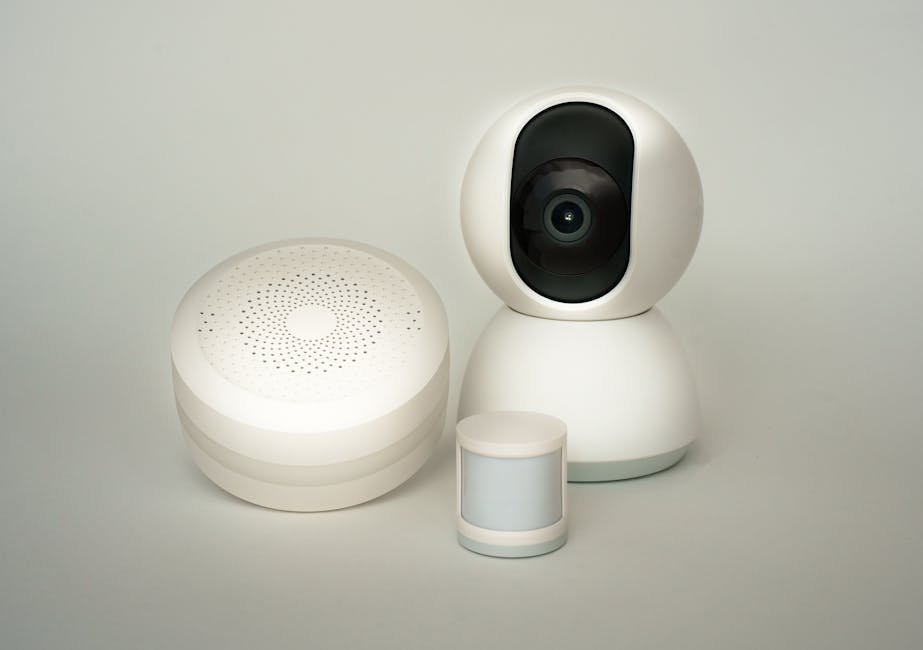
Misconfigured security settings represent one of the more serious and less discussed consequences of smart home complexity. Most users set security options once, often during a rushed installation, and never revisit them. Many vulnerabilities stem from weak security designs, inconsistent standards, and the complex interdependence between devices and cloud infrastructure. Attackers often exploit these gaps to gain unauthorized access, steal sensitive information, or disrupt operations.
Data privacy tops the list of worries among smart home users, with more than half of Americans expressing concern about how their information is collected and used. Security vulnerabilities aren’t far behind, with nearly half fearing potential hacking of their smart home systems, and more than one in three worrying about devices recording without permission.
Several notable security breaches in smart homes have highlighted the severity of these vulnerabilities. Incidents where hackers have gained access to smart door locks or surveillance cameras and tampered with them raise serious concerns about privacy and physical security. Enabling remote access without enabling proper authentication on top of it is one of the most common ways a security-focused device becomes a liability.
The Data Collection Settings Nobody Actually Reads
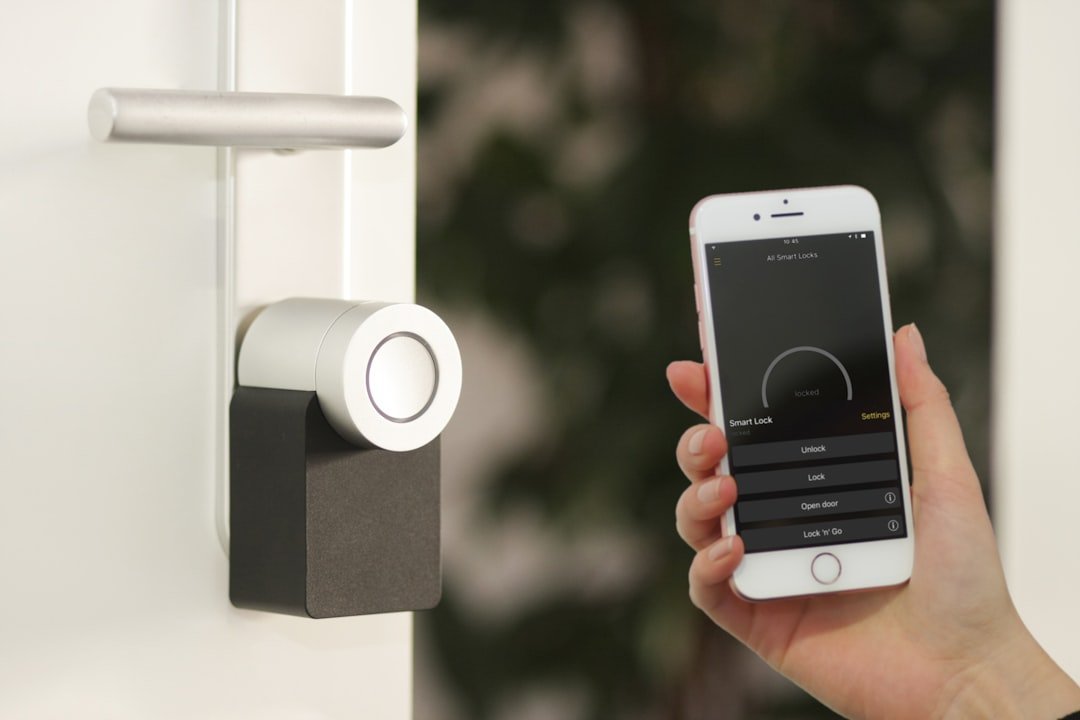
Smart devices collect far more data than most users realize. The settings that govern what gets collected, stored, and shared are typically buried beneath onboarding screens designed to get you to accept defaults quickly. Smart home devices often collect personal data about your habits, preferences, and routines. This data could be passed on to third parties or, in the event of a data protection breach, fall into the wrong hands.
IoT ecosystems frequently rely on third-party integrations, cloud services, and analytics providers. Data may be shared, sold, or processed across multiple entities, creating complex privacy risks and blurred accountability. Most users who leave all data-sharing settings enabled are unaware of the chain of parties who may ultimately receive their information.
Only about one in seven respondents reported reading the privacy policy before purchasing a smart thermostat. That number is probably consistent across smart home categories as a whole. Accepting defaults without review is not a minor inconvenience. It’s a structural habit that shapes what companies can do with data from inside your home.
When Too Much Automation Removes the Control You Wanted to Gain

There’s a particular frustration that comes with a smart home that behaves unpredictably. It’s different from a device that simply breaks. When a system does something on its own that you didn’t expect or want, it creates a specific kind of unease. There is genuine unease about the broader implications of connected technologies, with users wary of ceding control to automation. This distrust reflects concerns that corporate practices may prioritize data collection over user protection, fueling resistance to widespread adoption.
Research suggests that the general adult population is not sufficiently skilled in using the smart home to its full potential, and several skills-related problems occur in real-world usage. Turning on every available automation feature without building that understanding first is a reliable way to create a system that feels out of control rather than helpful.
The smart home is at a moment of maturity, where nearly half of US internet households own a core smart home device. Yet many consumers experience the smart home through one or more point solutions solving unique pain points, rather than a coordinated intelligent home experience. That gap between the marketed vision and lived reality is where most of the frustration actually lives.
What This All Adds Up To
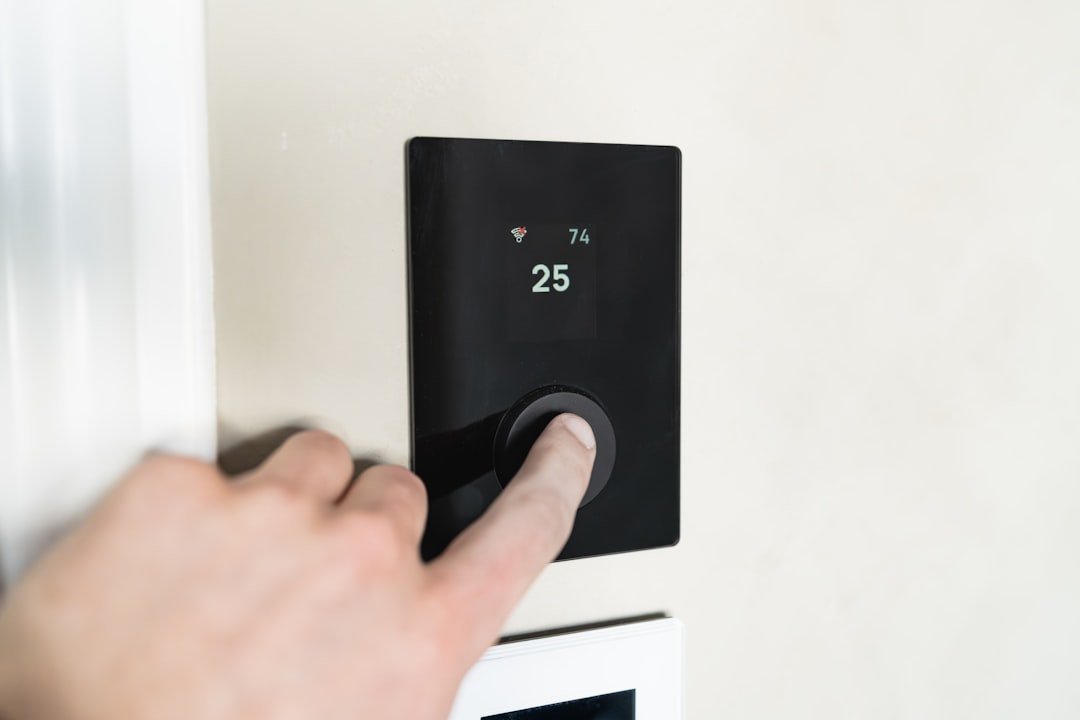
Smart home technology is genuinely useful. It can lower energy bills, improve security, and make daily routines feel effortless. None of that is in question. What is worth questioning is the assumption that more settings, more automation, and more connectivity automatically equals a better experience.
The evidence points in a different direction. Complexity without intentionality tends to produce frustration. Settings enabled by default or in bulk, without the user understanding what they actually do, have a habit of creating the exact problems they were supposed to solve.
The smartest move in a smart home might be a periodic audit. Turn off what you don’t use. Understand what you’ve enabled. Simplify before you expand. The technology works best when the person using it stays clearly in charge of it, not the other way around.