

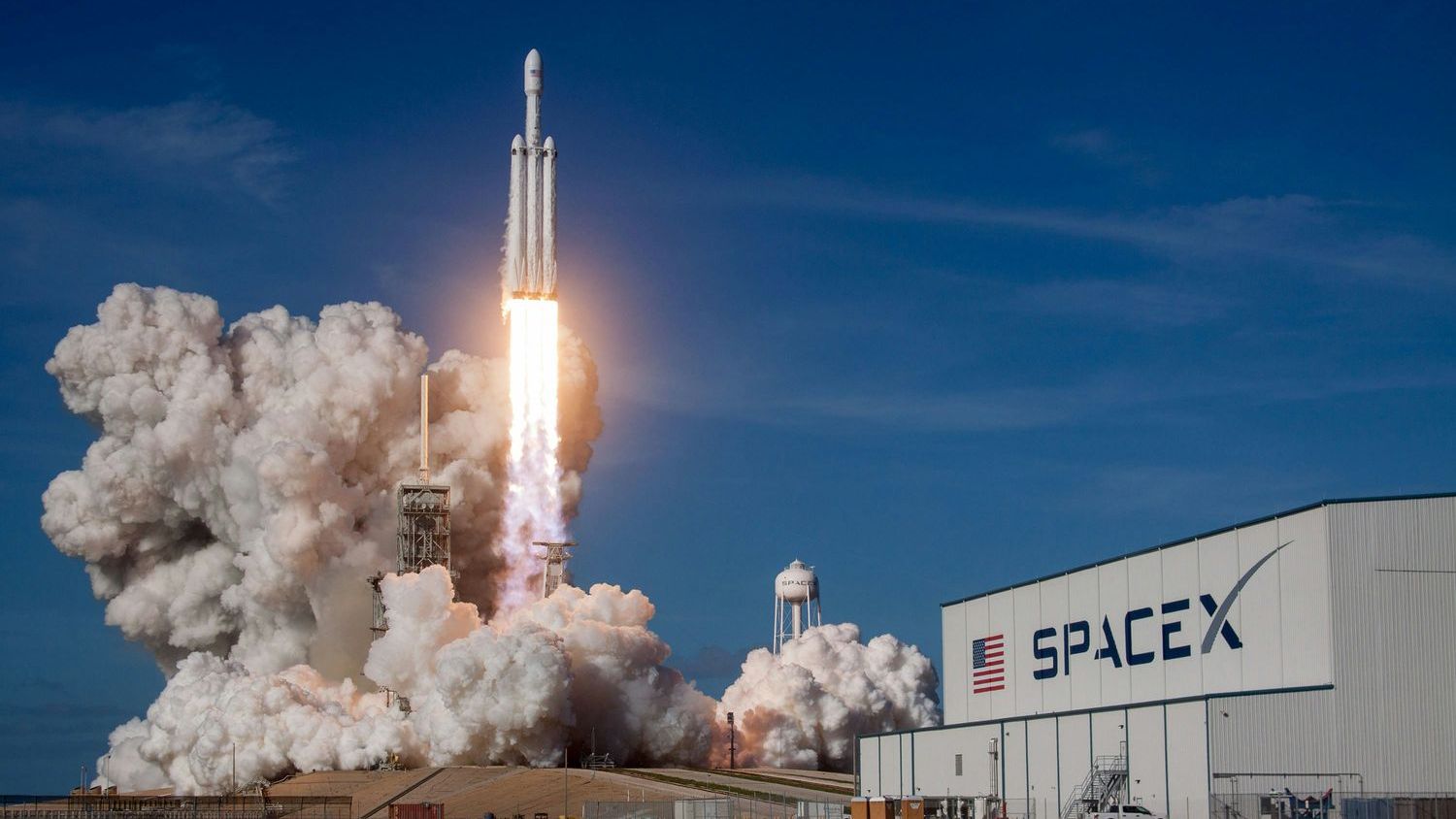
SpaceX is reflying its sixth cargo Dragon while Boeing’s crewed Starliner reverts to uncrewed resupply – and the $4.2B-versus-$2.6B contracts that produced both were signed the same day in 2014 – Image for illustrative purposes only (Image credits: Unsplash)
A Falcon 9 rocket lifted off from Florida on May 15 carrying cargo Dragon capsule C209 to the International Space Station. The mission marked the capsule’s sixth flight, a reuse record for the cargo variant that NASA certified only after a targeted hardware review. Two days later the spacecraft docked as planned, delivering science experiments and external payloads for NASA and the U.S. Space Force. The same month brought a contrasting development for Boeing’s CST-100 Starliner, which NASA redirected from crewed operations to an uncrewed resupply role.
The 2014 Contract Baseline
NASA awarded two fixed-price contracts on the same day in September 2014 under its Commercial Crew Program. Boeing received roughly $4.2 billion to develop and operate Starliner. SpaceX received approximately $2.6 billion for its Crew Dragon system. Both vehicles were intended to carry astronauts to the station, yet the outcomes have diverged sharply over the past decade.
Public records show Boeing absorbed substantial cost overruns beyond its original contract value. Starliner-1, originally planned as the first post-test crewed flight, has been redesignated for cargo-only duty. SpaceX, by contrast, has flown its cargo Dragon variant repeatedly, with C209 now completing its sixth mission using hardware shared with the crewed version.
| Element | Boeing Starliner | SpaceX Dragon |
|---|---|---|
| 2014 Contract Value | $4.2 billion | $2.6 billion |
| Current Mission Status | Starliner-1 shifted to uncrewed cargo | C209 on sixth flight |
| Key Outcome | Cost overruns absorbed by contractor | Progressive reuse achieved |
Procurement History and Organizational Fit
Fixed-price contracts have appeared in U.S. aerospace programs for decades. Early experiments, such as the 1960s total-package procurement for the C-5A Galaxy, transferred risk to contractors but exposed limits in their ability to absorb it. Later programs like the Space Shuttle showed how organizations built around cost-plus structures often struggled when incentives changed.
The 2014 awards placed both companies under identical contract terms for the same destination. Boeing entered the effort with decades of experience optimizing around cost-plus and offset arrangements in commercial aviation and defense. SpaceX had operated exclusively under fixed-price discipline from its founding. The contracts therefore tested not the instrument itself but each firm’s internal capacity to operate inside its own cost estimates.
Technical Context and Remaining Questions
Cargo Dragon 2 shares its pressure vessel, propulsion, and avionics heritage with the crewed Crew Dragon already flying astronauts. Its reuse cadence reflects engineering maturity and a streamlined refurbishment process developed over successive flights. This progress does not yet confirm broader claims that reusability has reduced the marginal cost of access to low Earth orbit by an order of magnitude, as detailed public accounting remains limited.
Starliner has completed a crewed flight, though thruster issues on that mission led NASA to adjust return plans. The vehicle’s propulsion system continues under remediation. The shift of Starliner-1 to cargo duty represents a recertification step rather than program cancellation. Boeing remains in the effort, and NASA has preserved the original contract structure.
Implications for Future Procurements
The 2014 dual-source decision created a long-running comparison between two contractors under the same rules. Fixed-price contracting transferred risk as intended, yet the results have revealed differences in organizational readiness rather than proving one contract type universally superior. Similar mixed outcomes have appeared in other fixed-price efforts across the Air Force and Navy.
Upcoming decisions on lunar lander services, Mars sample return, and successor cargo missions will again test how well agencies can interpret the disclosures these contracts produce. The decade since the original awards is still brief in the timeline of crewed spaceflight, leaving room for further evolution on both programs.