

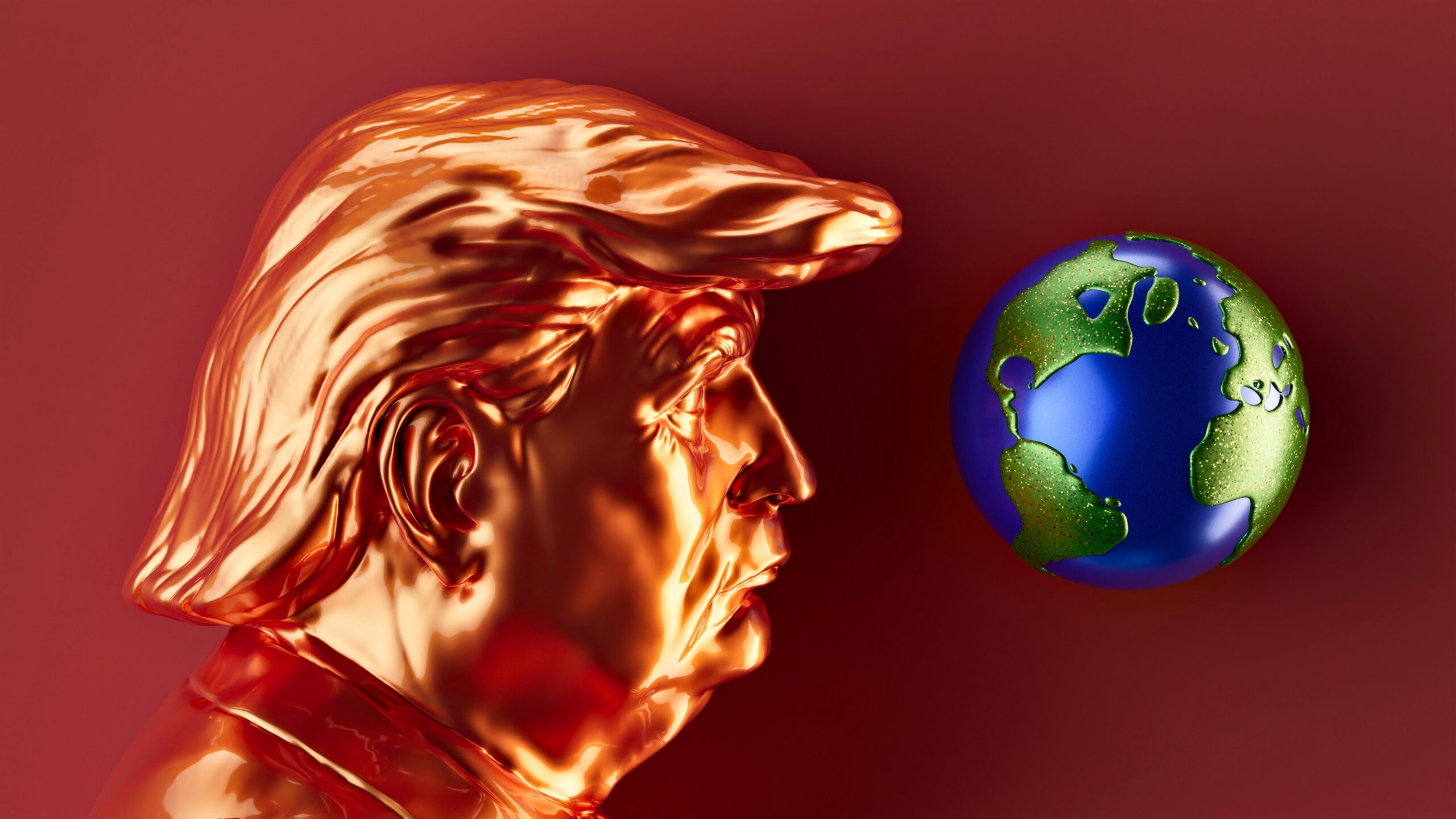
Trump talks up trade deals with China, but experts see no big wins for U.S. – Image for illustrative purposes only (Image credits: Unsplash)
President Trump returned from his latest visit to China emphasizing new commercial opportunities and stronger economic ties between the two nations. Administration officials pointed to several agreements and discussions that could expand U.S. exports over time. Trade and energy analysts, however, noted that the results stopped short of any sweeping breakthrough capable of reshaping bilateral commerce in a meaningful way.
Key Announcements from the Visit
During the trip, the White House spotlighted potential sales of American aircraft and energy products. Discussions also touched on agricultural purchases and technology cooperation. These topics generated headlines and reinforced the administration’s narrative of advancing American interests abroad.
One area singled out involved commercial aircraft, with references to possible orders from Chinese carriers. Energy exports, particularly liquefied natural gas, received attention as another avenue for growth. Officials described the exchanges as steps toward more balanced trade flows.
Where the Deals Fall Short
Specialists who reviewed the outcomes stressed that most elements remained preliminary or non-binding. No large-scale tariff reductions or structural changes to market access emerged from the talks. The absence of firm timelines or dollar figures left many observers questioning the immediate economic payoff.
Trade experts noted that previous high-level meetings had produced similar lists of intentions without delivering sustained results. Energy analysts added that regulatory hurdles in both countries continue to limit actual shipment volumes. The overall package, they concluded, offered more continuity than transformation.
Implications for Major U.S. Industries
Companies in the aerospace sector, including Boeing, stood to benefit from any confirmed aircraft orders. Yet analysts cautioned that Chinese airlines often spread purchases across multiple suppliers and that final contracts could take years to materialize. The same pattern applies to energy firms hoping to increase exports.
Broader American exporters in agriculture and manufacturing watched for clearer signals on market opening. Without enforceable commitments, the practical effect on their bottom lines remains uncertain. Stakeholders across these sectors now face the task of converting announced interest into signed agreements.
Key points from the trip
- Focus remained on aircraft and energy sales
- No major tariff relief or market-access changes
- Most outcomes described as preliminary
- Timeline for implementation still unclear
Next Steps for U.S.-China Commerce
Both governments indicated they would continue technical talks in the coming months. Follow-up meetings are expected to address remaining regulatory and compliance issues. Progress will depend on whether the preliminary understandings can be converted into binding commitments.
Business leaders on both sides are monitoring these developments closely. The coming quarters will show whether the recent announcements translate into measurable increases in trade volumes or remain largely symbolic.