

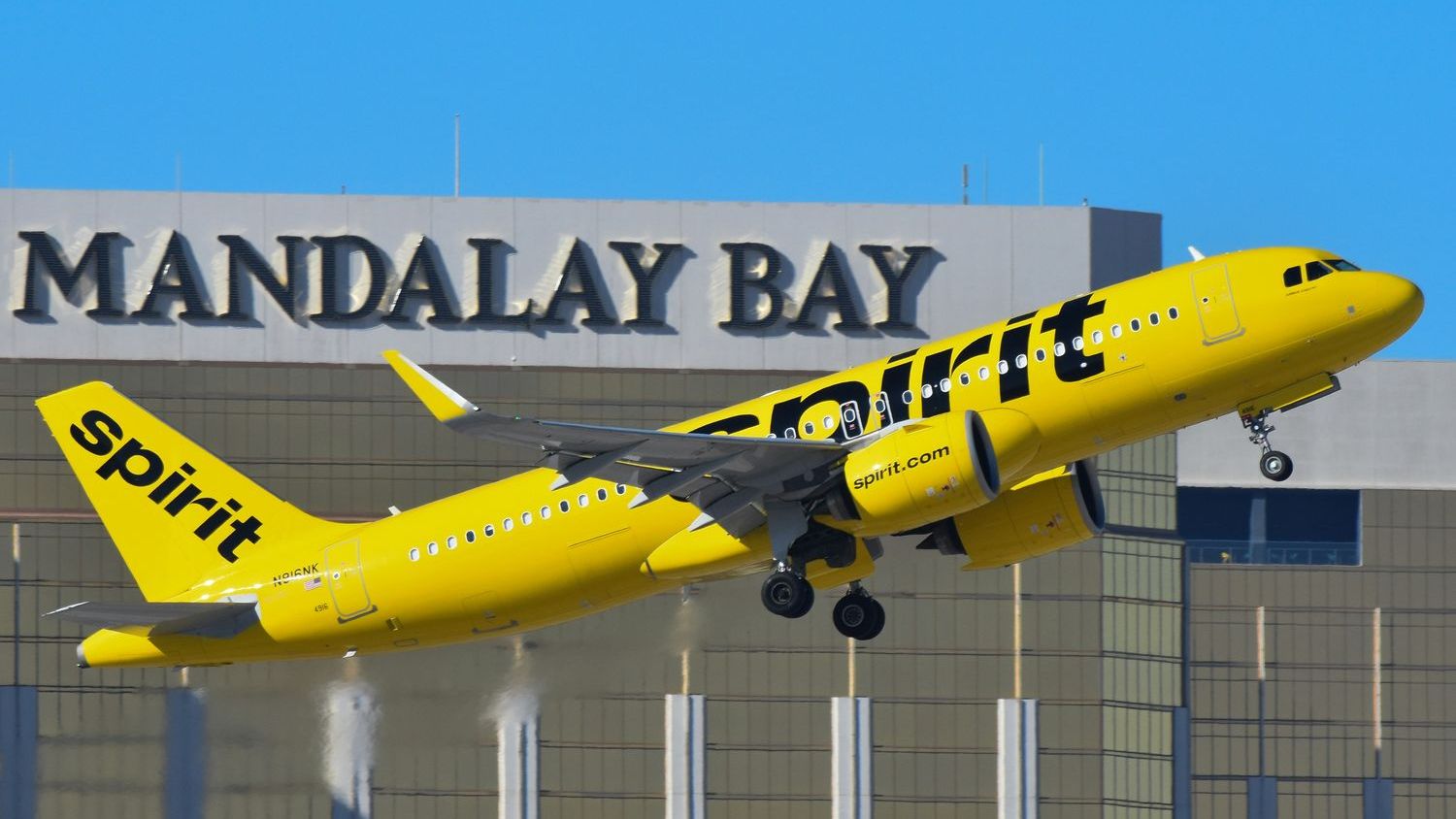
Spirit Airlines shutting down after failed effort at government rescue deal – Image for illustrative purposes only (Image credits: Unsplash)
Spirit Airlines, a key player in the U.S. budget travel market, has halted all flights following the Trump administration’s refusal to provide a $500 million bailout. The carrier’s collapse disrupts affordable air travel for countless Americans who depended on its low fares for domestic trips. This abrupt shutdown underscores the challenges facing low-cost airlines amid economic headwinds and limited government support.
The Bailout Bid Falls Short
Negotiations between Spirit Airlines executives and Trump administration officials broke down over the proposed $500 million rescue package. The airline sought federal assistance to stabilize its finances and continue operations. Administration leaders declined the request, citing concerns over fiscal responsibility and the viability of the carrier’s business model.
Spirit’s leadership had pinned hopes on the bailout as a lifeline during a period of heightened operational costs and softening demand. Without the funds, the company determined that ceasing operations represented the only viable path forward. The decision took effect immediately, grounding all aircraft and canceling outstanding flights.
Travelers Face Sudden Disruptions
Passengers holding Spirit tickets now confront canceled itineraries and uncertainty over refunds. The U.S. Department of Transportation typically requires airlines to provide full refunds for significant delays or cancellations, a policy that applies here. Affected travelers should monitor their email and the airline’s website for updates on reimbursement processes.
Those with upcoming trips must scramble for alternatives, potentially facing higher fares from remaining carriers. Spirit served popular routes between major cities and leisure destinations, filling a niche for price-sensitive flyers. The loss of these options could elevate costs across the budget segment of the market.
Practical Steps for Affected Passengers
- Contact Spirit Airlines customer service promptly through their app or website to initiate refund requests.
- Check credit card protections, as many issuers offer trip delay or cancellation coverage for non-refundable tickets.
- Explore rebooking with competitors like Frontier or Allegiant, which may offer similar low fares on overlapping routes.
- Document all communications and expenses related to the cancellation for potential claims.
Travel insurance policies often cover such unforeseen airline failures, providing another layer of financial protection. Consumers who paid with points or miles should verify redemption rules with loyalty programs.
Ripples Through the Aviation Sector
The shutdown eliminates a major budget carrier, reshaping competition in the skies. Rival airlines stand to capture Spirit’s market share, which could lead to adjusted pricing strategies on key routes. Employees, numbering in the thousands, face layoffs as the company winds down.
Beyond immediate job losses, the event highlights vulnerabilities in the low-cost model, reliant on high volume and minimal amenities. Government intervention in airline rescues remains selective, as seen in past crises. This outcome may deter similar bailout requests from other struggling operators.
– Refunds process for tickets could take weeks; plan alternative travel accordingly.
– Budget travelers should compare fares early to avoid price surges.
– Watch for DOT guidance on consumer protections in airline failures.
Spirit Airlines’ closure serves as a stark reminder of the aviation industry’s fragility. As the Trump administration prioritizes targeted economic aid, carriers must navigate tighter margins without federal backstops. For everyday travelers, the shift means recalibrating expectations for affordable getaways in a consolidating market.