

The Great Post-Pandemic Correction Nobody Warned You About
The story of fine art and luxury watches as “safe” assets really begins with the pandemic era, when cheap money flooded markets and turned everything from NFTs to stainless steel Submariners into speculative vehicles. Prices for both categories soared to levels that, in retrospect, had little to do with intrinsic value. When monetary conditions tightened, those gains unwound in an orderly but painful way.
Secondary market watch prices peaked in May 2022 and have been declining ever since, with the fourth quarter of 2023 having marked the seventh consecutive down quarter, according to a report released by Morgan Stanley and WatchCharts. That is nearly two straight years of losses. For something promoted as a store of value, that trajectory deserves scrutiny.
Global art market sales declined by roughly a tenth in 2024 to an estimated $57.5 billion, marking the second year of slowing sales following the strong post-pandemic recovery up to 2022, with the main drag on growth being the high end of the market, which thinned out significantly in 2023 and 2024. Two down years in a row is not a blip. It is a trend.
Fine Art’s $10 Million Problem

The art market’s decline was not evenly distributed. Smaller, affordable works actually held up reasonably well. The damage was concentrated at the very top, which is precisely the tier most commonly cited as the “investment-grade” part of the market.
The number of fine art works selling at auction for over $10 million fell by roughly two-fifths in 2024, following a more than quarter decline in 2023. The share of market value from those works dropped from nearly a quarter in 2023 to just under a fifth in 2024, a stark contrast to 2022, when that segment accounted for about a third of total sales.
Sales in this top segment were also down by nearly half by value, the biggest decline across all price brackets, and the value of the top 50 lots sold at auction was down by nearly a third in 2024. For investors who bought blue-chip works expecting price appreciation, these figures represent real, material losses.
The Rolex Resale Collapse
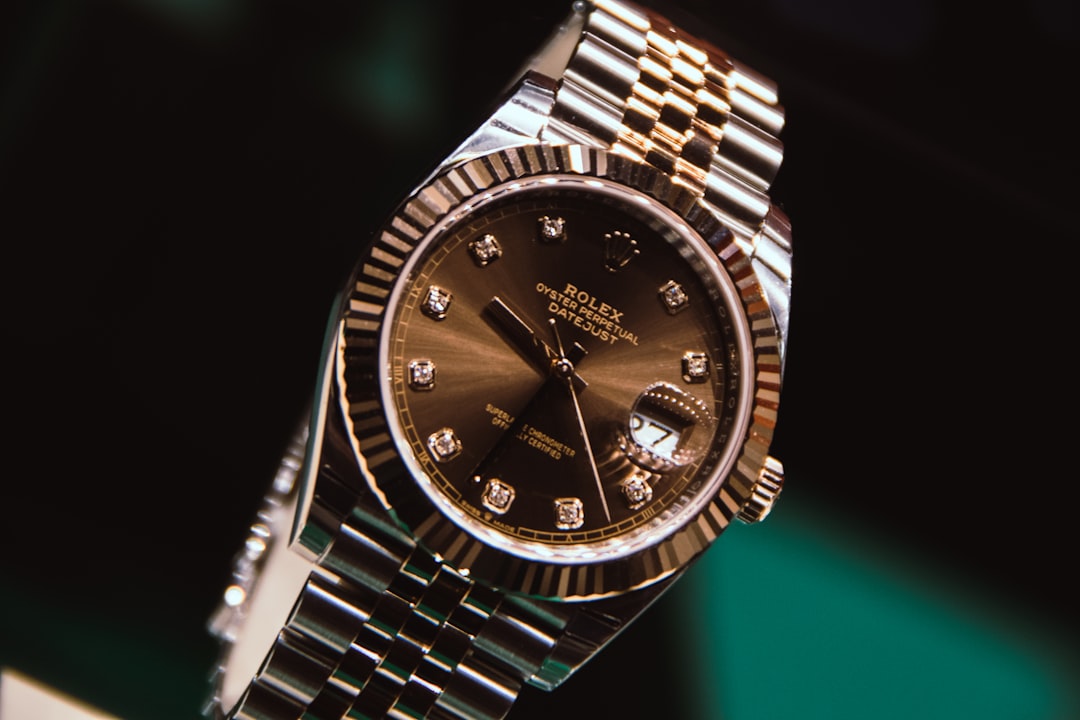
Few objects became more emblematic of the “passion asset” investment thesis than the Rolex Daytona or the GMT-Master II. During 2020 and 2021, these watches traded on secondary platforms at multiples far exceeding retail. Buyers genuinely believed scarcity would protect their money forever.
Pre-owned Rolex, Patek Philippe, and Audemars Piguet watch prices fell to a three-year low in 2024, according to the Bloomberg Subdial Watch Index, marking the third straight year that these Swiss timepieces experienced a price decline. The pre-owned watch market had ballooned to new heights during the pandemic but came back to earth in the spring of 2022, thanks to an economic slowdown and high interest rates.
One model that commanded prices above $45,000 in 2022 saw its market value decrease to around $32,000 in early 2025, despite retail price increases from Rolex. That decline of roughly three tenths occurred while the retail price continued to climb, perfectly illustrating a market disconnect. Rising retail prices did not pull the secondary market up with them. That is a significant failure of the inflation hedge logic.
Swiss Watch Exports: A Broader Industry in Retreat
The secondary market decline did not exist in isolation. It reflected genuine weakness in overall demand for Swiss watches at the industry level, not just speculative corrections among flippers.
Data released by the Federation of the Swiss Watch Industry shows that 2024 watch exports recorded a year-on-year decline of roughly three percent in value terms, achieving a total of around CHF 26 billion, while volume sales contracted by nearly one tenth to 15.3 million units. Lower volume at lower average prices is a two-front problem for any asset class.
For the entire year 2025, the Swiss watch industry recorded a further decrease of roughly two percent compared to 2024. Following several years of robust growth and all-time records in 2021, 2022, and 2023, the industry has been facing headwinds since 2024, with total exports down to around CHF 25.5 billion. The direction of travel is consistent: downward.
Art’s Performance Against Actual Inflation

Here is where the inflation hedge narrative gets most uncomfortable. The whole point of an inflation hedge is that it keeps pace with or exceeds the rate at which your purchasing power erodes. On that specific metric, the recent data does not flatter fine art.
The modest gains seen in some luxury collectible categories are put into perspective when considering that the global inflation rate was around 5.8 percent, according to the International Monetary Fund. At the other end of the spectrum, art was the poorest performing luxury collectible, down nearly a fifth. Losing value in real terms while inflation runs hot is precisely the opposite of what a hedge is supposed to do.
Small gains in lower-price-tier works are undermined by plummeting profitability across most of the art and antiques market, as prices for virtually all aspects of the business, from shipping to rent, have increased. The costs of owning, insuring, transporting, and selling art are not inflation-hedged. They simply go up with everything else.
The Speculator Exit and What It Revealed

One of the more honest things that happened as prices corrected was that it revealed who had been buying and why. The pandemic-era buyers in both art and watches were not collectors in any traditional sense. Many were speculative investors chasing momentum, not people with genuine appreciation for the objects.
The influx of pre-owned watches into the secondary market led to a surplus, exerting downward pressure on resale prices. Separately, the decline in speculative buying, particularly from cryptocurrency investors who had previously driven up demand, softened the secondary watch market considerably. When crypto sentiment soured and interest rates rose, that buyer pool evaporated.
In 2021 and 2022, speculative collectors rushed into art markets flush with liquidity due to historically low interest rates, spending nearly $350 million on young contemporary artists at the three major auction houses combined in 2022. By 2024, that number had fallen to around $101 million, a decline of roughly seven tenths. The speculative premium was the first thing to disappear.
The Liquidity Problem Nobody Talks About

Even in the best of times, fine art and luxury watches share a critical structural flaw as inflation hedges: they are fundamentally illiquid. Selling when you need cash, rather than when the market is favorable, is often not a choice investors get to make.
Many dealer respondents reported that divisive politics, wars, inflation, and other economic challenges had negative effects on sales and vendors’ plans, even when not directly impacted by them. The hesitancy was particularly crippling for the high-end auction sector, where sellers who did not need to sell immediately chose to wait. That dynamic works fine for patient holders, but it traps investors who need access to funds.
Collectors have grown increasingly risk-averse when selling art, prioritizing safety over upside. Auction guarantees, a strategy long employed by cautious sellers, have risen to new highs. The very fact that sellers increasingly need financial guarantees before placing works at auction tells you something about market confidence right now.
What Commodities Did Instead
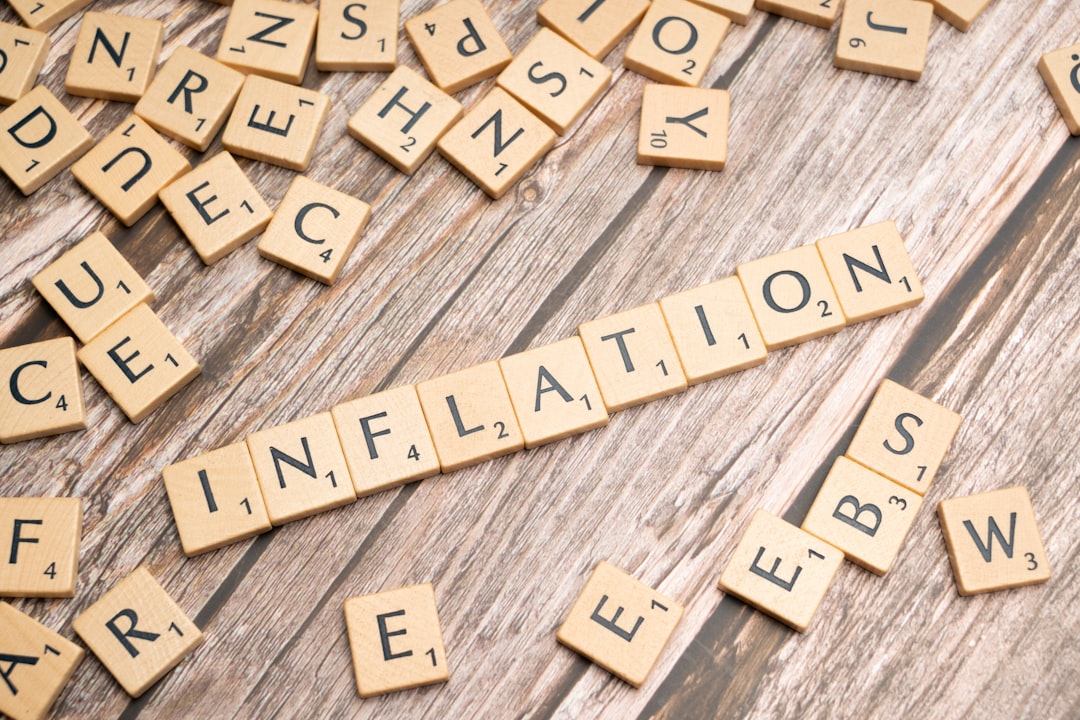
The inflation hedge argument deserves a fair comparison. When you look at what actually did keep pace with inflation during the recent inflationary surge, the contrast with fine art and watches is instructive.
Real assets such as commodities, real estate, and infrastructure are commonly cited as important diversifiers against inflation risk, though they don’t always appear that beneficial when the risk and returns of these assets are viewed in isolation. The key word is “diversifiers,” not substitutes for financial assets.
When inflation arrived in earnest, real assets in the categories examined by CFA Institute researchers broadly failed to deliver the promised protection. Commodities outperformed, but the broader category of physical collectibles, which includes art and watches, performed far less consistently. There is a meaningful difference between owning crude oil exposure and owning a painting.
The China Factor Accelerating the Decline

One structural force pressing down on both art and watch markets deserves specific attention. China had been among the most significant growth drivers for both asset classes over the previous decade. That engine has stalled.
After a rally in 2023, the Chinese art market experienced a sharp drop of nearly a third to $8.4 billion in 2024, against a backdrop of slower economic growth, a continuing property market slump, and other economic uncertainties. It was the lowest level since 2009. A decade of gains erased in a single year.
In terms of Swiss watch exports specifically, China saw a contraction of nearly a quarter in 2024, a decline stronger than during the Covid pandemic, taking the market close to its results in 2019. For an industry that had built much of its growth strategy around Chinese demand, that is a structural realignment, not a temporary dip.
Where the Market Stands Heading Into 2026
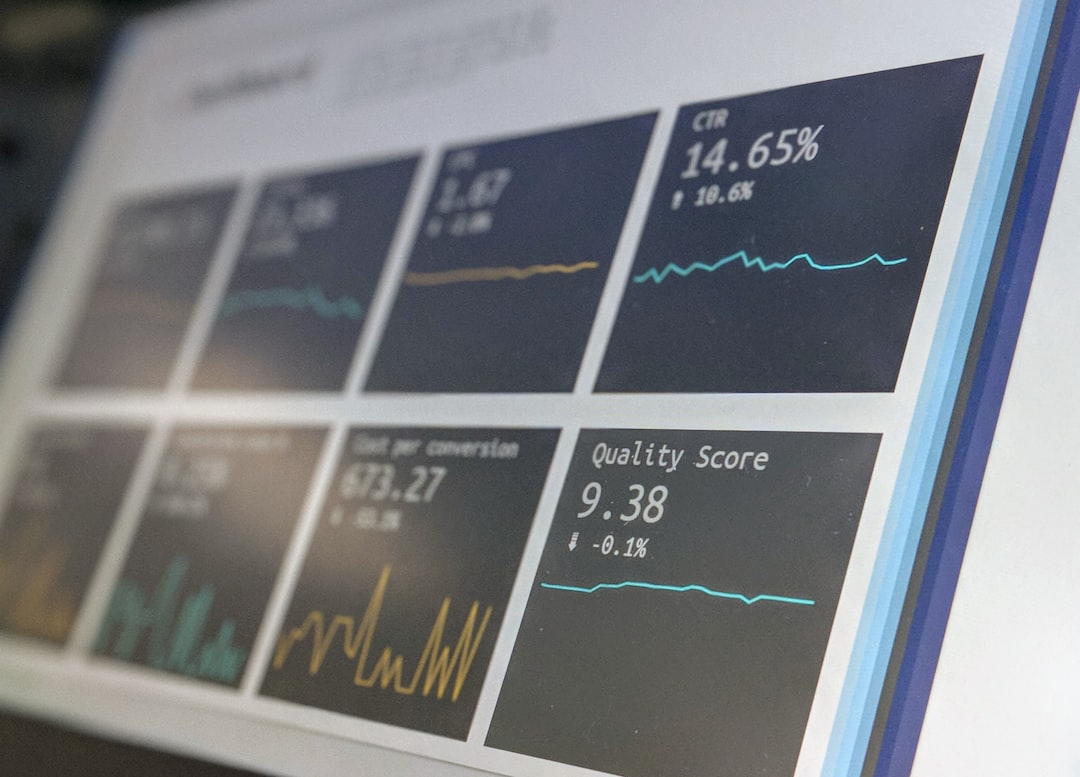
There are some signs of stabilization, and it would be dishonest to suggest nothing but decline. Secondary watch prices showed a modest recovery in 2025. The art market’s transaction volume actually increased, suggesting the collector base is broadening even as headline values fell. Affordable works are moving. Some categories are holding.
For the full year 2025, secondary watch prices rose roughly five percent, marking a meaningful recovery from declines of roughly six percent in 2024 and nearly eleven percent in 2023, according to WatchCharts and Morgan Stanley. That is encouraging, though it barely recoups previous years’ losses.
The broader luxury collectibles index fell for a second consecutive year in 2024 and 2023, reflecting what industry analysts described as a changing landscape where scarcity no longer guarantees returns. That last phrase is important. Scarcity alone no longer does the work that advocates of passion assets once assumed it would.
What the Evidence Actually Supports
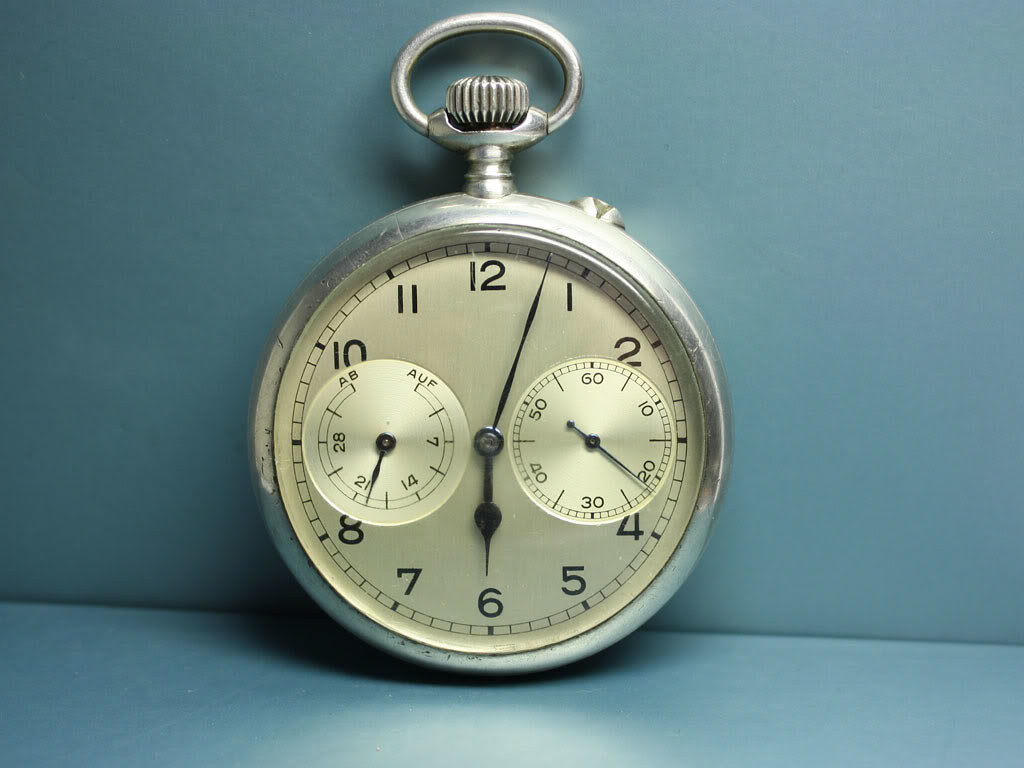
There is a version of the fine art and luxury watch story that remains credible: as long-horizon passion purchases for people who genuinely love and use these objects, both categories have delivered real appreciation over decades. The broader luxury collectible index has provided meaningful returns over a five-year and ten-year horizon, with a hypothetical $1 million investment in 2005 growing to around $5.4 million by the mid-2020s. That is a real return, and it matters.
The problem is not art or watches as possessions. The problem is the inflation hedge framing, which implies liquidity, predictability, and correlation to macroeconomic conditions that these markets simply do not reliably provide. After the extraordinary pandemic spike driven by scarcity, speculation, and heightened collector interest, the luxury watch market has settled back, with the brand re-assuming its role as a market anchor, not a speculative asset. That is closer to the honest version of this story.
Calling something beautiful a financial instrument does not make it one. Art and watches can be wonderful things to own, but the 2024 to 2026 data makes one thing clear: when inflation actually arrived, they did not protect investors the way the brochures promised. The real lesson here is not to avoid these markets, but to buy into them for the right reasons, namely genuine appreciation, long time horizons, and an honest acceptance that these are passion assets first, and financial instruments only sometimes.