

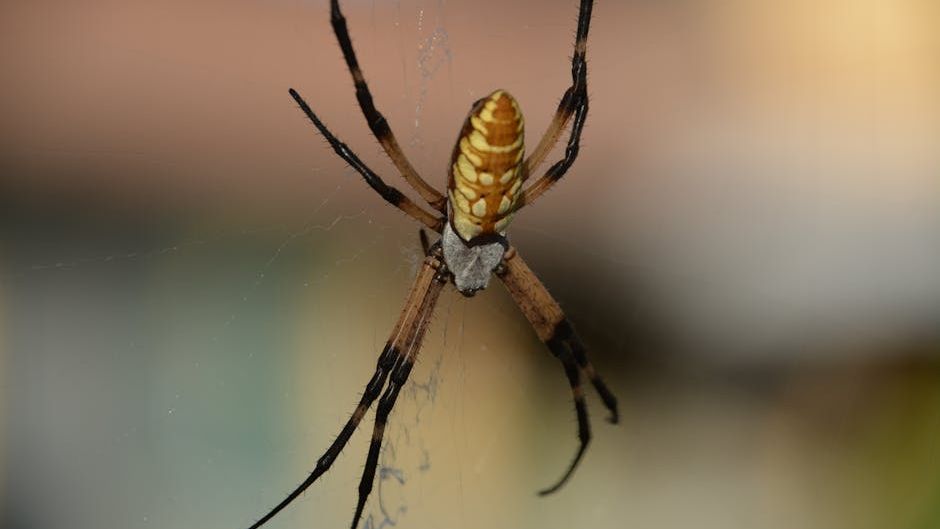
Spiders in a Growing City: New Country and Regional Records of Spiders (Araneae) from Tbilisi, Georgia – Image for illustrative purposes only (Image credits: Pexels)
As Tbilisi expands outward and upward, its altered landscapes are reshaping the mix of wildlife that can survive alongside residents. Scientists tracking these changes have turned up fresh evidence that the city now supports a richer array of spiders than earlier surveys suggested. The latest collections, made inside the urban area itself, add three notable entries to the national and regional lists.
Earlier Counts and Steady Increases
Systematic work in the early 2000s placed the total number of spider species known from Tbilisi and its immediate surroundings at 252. Continued sampling over the following two decades, even as construction and green-space conversion accelerated, has lifted that figure to 371. The rise reflects both more thorough searches and the arrival or detection of species that tolerate or even benefit from human-modified habitats.
Three Records That Extend Known Ranges
Specimens gathered during recent fieldwork in Tbilisi yielded the first confirmed occurrences in Georgia for two species and the first Caucasus record for a third. These additions are modest in number yet meaningful because they fill gaps in the distribution maps for the entire region.
| Species | Family | Significance |
|---|---|---|
| Tolokonniella stigmatisata | Lathyidae | First record for Georgia |
| Scotargus pilosus | Linyphiidae | First record for Georgia |
| Drassodes serratichelis | Gnaphosidae | First record for the Caucasus |
Each identification rests on physical specimens rather than photographs or unverified sightings, giving the findings a solid foundation for future reference.
Practical Implications for a Changing City
Urban growth does not simply remove habitat; it creates new edges, gardens, and building crevices that some spiders can exploit. Documenting which species appear in these settings helps planners anticipate shifts in local food webs and potential nuisance species. Residents may notice more encounters with certain spiders as green corridors connect previously isolated patches, though most remain harmless to people.
Next Steps for Researchers and Residents
- Continued targeted surveys in newly developed districts to track further arrivals or losses.
- Comparison of spider communities inside versus outside the city to measure the true effect of expansion.
- Integration of these records into broader Caucasus biodiversity databases for regional conservation planning.
Many questions remain about how quickly these populations establish or whether additional undescribed species still await discovery amid ongoing construction. The work underscores that even well-studied cities can hold surprises when examined closely over time.