

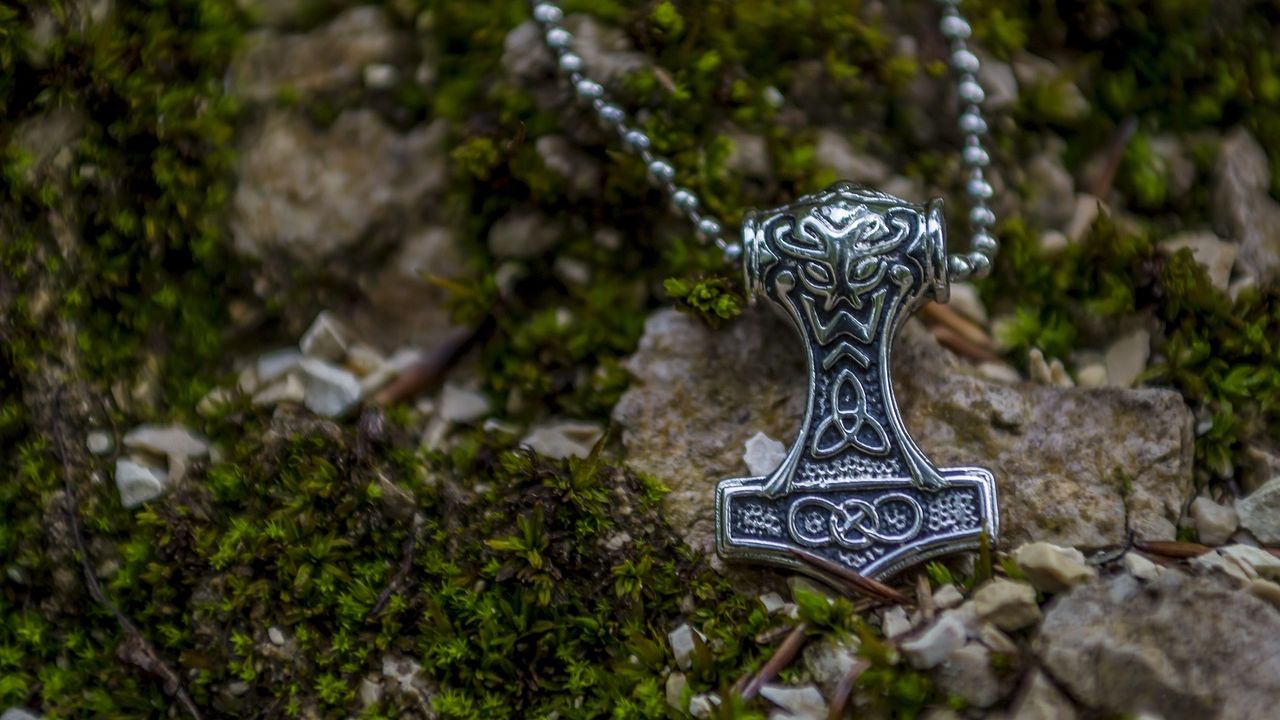
‘Almost tragicomical’: Coins minted to protect the English from the Vikings ended up as Viking jewelry, experts discover – Image for illustrative purposes only (Image credits: Pixabay)
Two exceptionally rare silver coins struck in England more than a thousand years ago have surfaced in Denmark, transformed by their original targets into personal ornaments. Minted around 1009 during the reign of King Æthelred II, the pieces were part of a deliberate effort to secure divine protection against repeated Viking incursions. Instead, they traveled across the North Sea and were adapted by Norse wearers into pendants. The finds, announced by Denmark’s National Museum, underscore how objects created for one purpose can acquire entirely different meanings in another culture.
A Desperate Royal Initiative
Æthelred II, often remembered as “the Unready,” faced relentless pressure from Scandinavian raiders throughout his long reign. In response, his mints produced a distinctive series of coins featuring Christian iconography intended to invoke heavenly intervention. One side shows the Lamb of God with a cross, symbolizing Christ’s sacrifice, while the reverse depicts a dove representing the Holy Spirit. Only about thirty examples of this type survive today, making each new discovery significant for historians of the period.
The coins were not ordinary currency. Their religious imagery reflected a broader strategy of combining economic measures with spiritual appeals at a time when military defenses alone had proved insufficient. Contemporary records indicate that such symbolic gestures accompanied payments of tribute and attempts at negotiation, yet the raids continued unabated.
Unexpected Journey Across the Sea
Metal detectorists recovered the two coins at separate sites in Jutland: one near Løgumkloster in the south and another at Kåstrup in the north. Both show clear signs of modification, including perforations that allowed them to be suspended on a cord or chain. Such alterations indicate the pieces were valued not for their monetary worth but as wearable items, likely amulets or decorative pendants.
The presence of these English coins in Denmark illustrates the extensive networks of movement and exchange that characterized the Viking Age. Objects traveled in both directions, sometimes as plunder, sometimes through trade, and occasionally as personal keepsakes carried home by returning warriors.
Expert Reaction to the Finds
Curators at the National Museum of Denmark have described the outcome as almost paradoxical. Gitte Tarnow Ingvardson noted that the coins “were made to obtain protection against the Vikings but ended up instead as jewelry or amulets worn by Vikings. That is almost tragicomical.” The remark captures the irony of an object designed to repel a group ultimately embraced by them for its aesthetic and perhaps protective qualities.
Ingvardson added that the discoveries produced a visceral response among researchers, highlighting how rare surviving specimens can illuminate unexpected cultural exchanges. The coins’ survival in wearable condition suggests they held personal significance beyond simple bullion value.
What Matters Now
The two coins add concrete evidence to a growing picture of how Christian symbols were selectively adopted and reinterpreted in Norse contexts during the early eleventh century.
Scholars continue to examine similar pierced coins from the period to understand patterns of reuse. These finds reinforce that Viking society was not uniformly hostile to Christian imagery but often incorporated it into existing traditions of adornment and belief.
Looking Ahead
Further analysis of the metal composition and wear patterns may reveal additional details about the coins’ journeys. As more detectorist finds enter museum collections, the story of these particular pieces is likely to be refined rather than overturned. Their quiet survival offers a tangible reminder that historical intentions rarely unfold exactly as planned.