
The Absolute Universe: A Separate Reality Built by a Villain
The Absolute Universe is an imprint of American comic books overseen by writer Scott Snyder and published by DC Comics. The comics take place in a shared universe designated Alpha-World as part of the DC Comics multiverse, featuring reimagined and modernized versions of the company’s superhero characters.
It is established in the DC All In Special that Earth-Alpha has been reshaped by Darkseid’s essence, as he is bent on creating a world driven by challenge and turmoil in which heroes are the “small chaos” rather than established parts of its system.
According to Snyder, while the DCU is “influenced by Superman energy,” the Absolute Universe is “influenced by Darkseid energy,” making society treat superheroes as underdogs. That is the entire foundation of this line – heroes forced to become extraordinary precisely because the world refuses to hand them anything.
Stripped to the Core: What DC Actually Took Away
Vital parts of the characters are stripped – Batman’s wealth, Diana’s childhood, and Superman’s upbringing with the Kents – while keeping the central message and key personality traits intact.
By removing the traditional safety nets of the DC Trinity, DC forced readers to engage with the characters as if they were brand new creations. It’s a striking editorial choice. These are some of the most recognizable fictional characters in human history, and the publisher effectively asked: what’s left when you take everything away?
The Absolute Universe is built on the idea that Darkseid stripped these heroes of their legacies – Batman has no fortune, Superman has no Kents, Wonder Woman has no Themyscira as we know it. The losses aren’t random. They’re calculated to force the question of whether heroism is circumstance or character.
Absolute Batman: The Working-Class Dark Knight
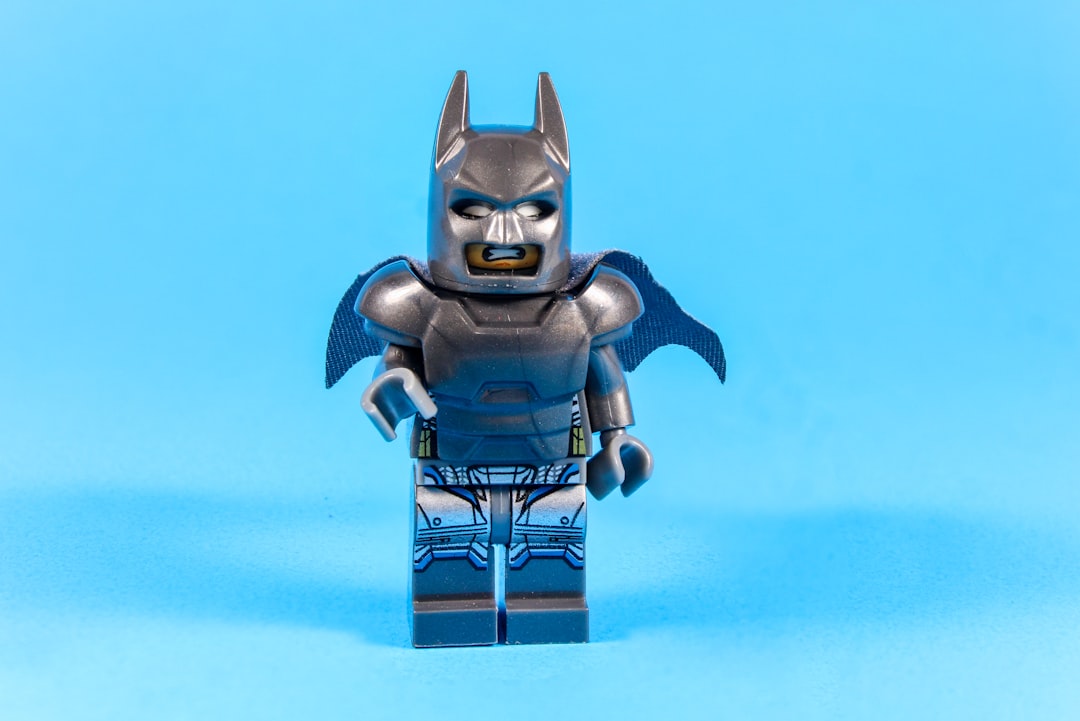
Absolute Batman, written by Scott Snyder and illustrated by Nick Dragotta, began publication on October 9, 2024. The series stars a 24-year-old blue-collar civil engineer named Bruce Wayne, who operates at night as the vigilante Batman, fighting crime with his self-designed equipment and armor.
By stripping Bruce Wayne of wealth, the series reframes Batman as a working-class figure shaped by systemic failure rather than inherited privilege, instantly grounding the character in a modern context.
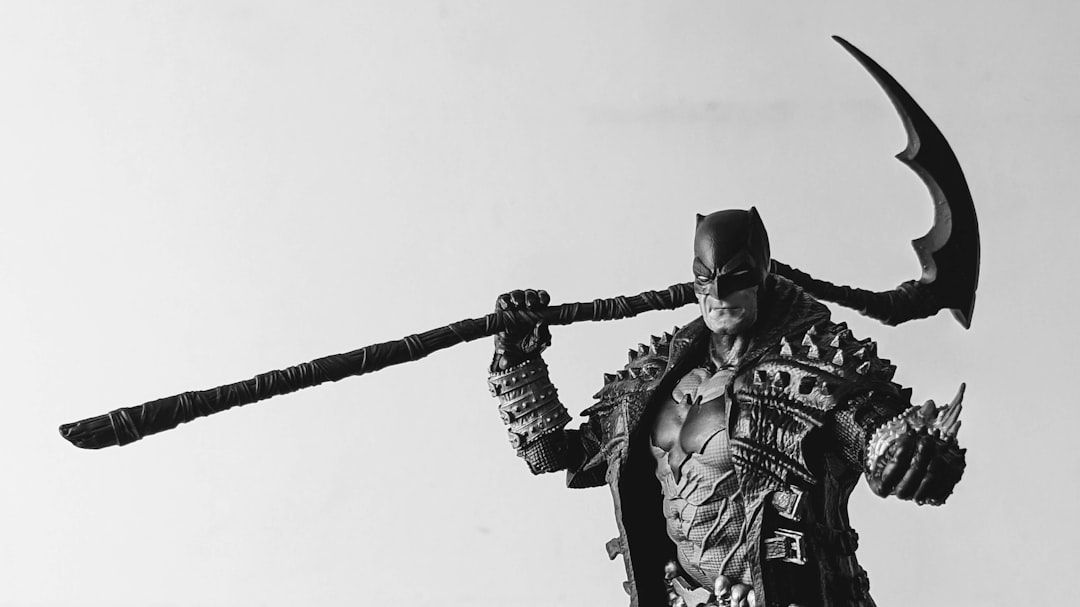
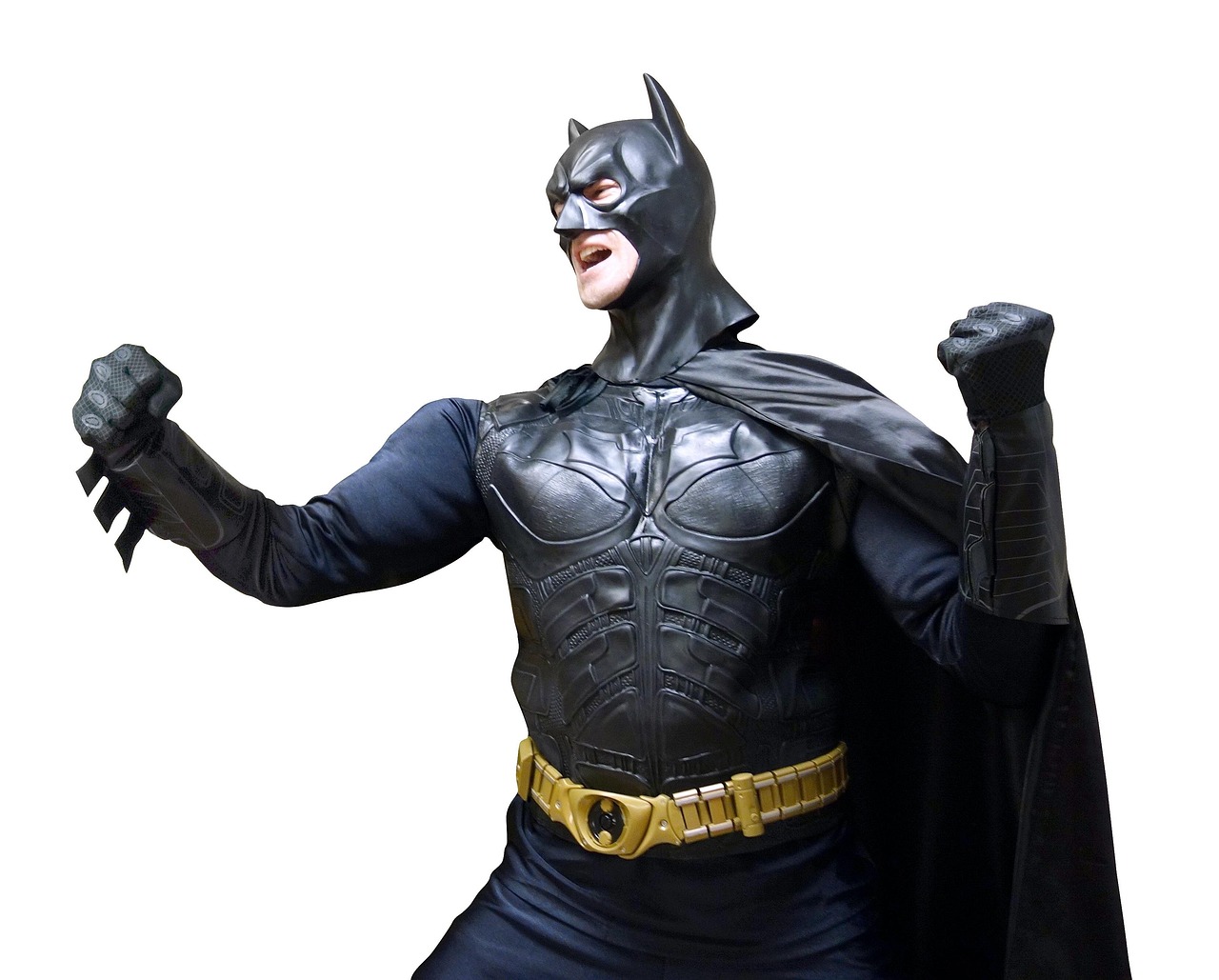
Nick Dragotta designed the character as physically far larger than any previous depiction of Batman as a direct consequence of his lack of institutional power and resources. In the costume, every element is functional and self-built. The chest emblem detaches into a battle axe, the cowl ears are removable throwing knives, and the cape consists of articulated mechanical tethers rather than fabric, capable of extending into hooks and spikes.
Absolute Superman: The Immigrant Who Arrived Without a Net

Kal-El landed on Earth as an adult, not as a baby, so no Kents raised him. And even his enemies are different. Even his cape is different, made up of the ashes of Krypton.
Writer Jason Aaron explained his approach: the goal was “to do new stories, stories that feel more relevant to today with these characters.” He looked back at what the character meant to Siegel and Shuster in 1938, leaning into the idea that this is “the ultimate immigrant story.” What does that story look like in 2025 versus 1938?
Superman has had a rough road, which created a young Man of Steel who’s a bit more rough around the edges, a bit wilder, and very worldly. He’s seen more of the planet than any human being alive, in both good and bad ways, leaving him very conflicted about this planet and his place here.
Absolute Wonder Woman: The Last Amazon, Raised in Hell
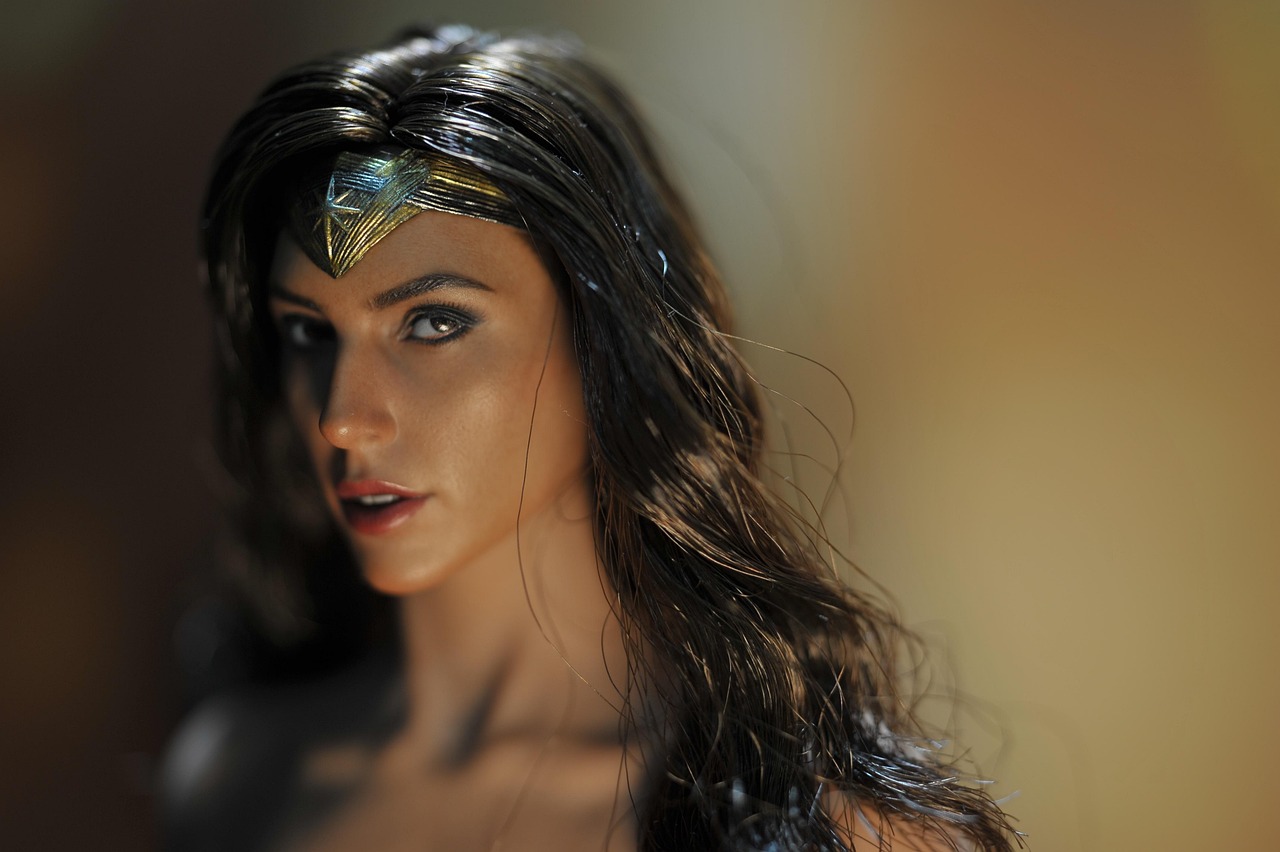
In the Absolute Universe, Diana grew up in Hell, raised by her adoptive mother Circe and mentored by the Greek gods, having been separated from the Amazons at birth by Zeus.
Kelly Thompson and Hayden Sherman’s take on Diana, depicting her as the last Amazon in a world where her sisters were long dead, won the 2025 Eisner Award for Best New Series. Its blend of high fantasy and heavy-metal aesthetics provided a visual identity that was unlike anything else on the stands.
For Thompson and Sherman’s Diana, “there is no island paradise, no sisterhood to shape her, nor a mission of peace.” What’s striking is how coherent this version of Diana remains despite all of that. Removing Themyscira doesn’t dissolve her compassion; it makes it harder-won and more interesting.
The Controversy That Came With It
The recent controversy regarding the Absolute Universe line began in late October 2025, with the release of Absolute Batman 2025 Annual #1. The anthology opened with a story set early in the career of this world’s Bruce Wayne. It found the young vigilante fighting masked police officers with amazing brutality.
This was taken by some critics as an anti-police statement. However, many of these critics ignored the context of the story. The police officers in question were working in conjunction with a Neo-Nazi group, violently attacking a homeless encampment. Absolute Batman was ultimately working to save innocent lives and, being a novice vigilante at this time, went too far in dealing with the aggressors.
It is worth noting that Batman fighting corrupt authorities is nothing new. He frequently fought corrupt police officers before Jim Gordon cleaned up the GCPD. The outrage said less about the comic and more about how politically charged superhero discourse has become.
The “Absolute Trinity” as Darkseid’s Weapon
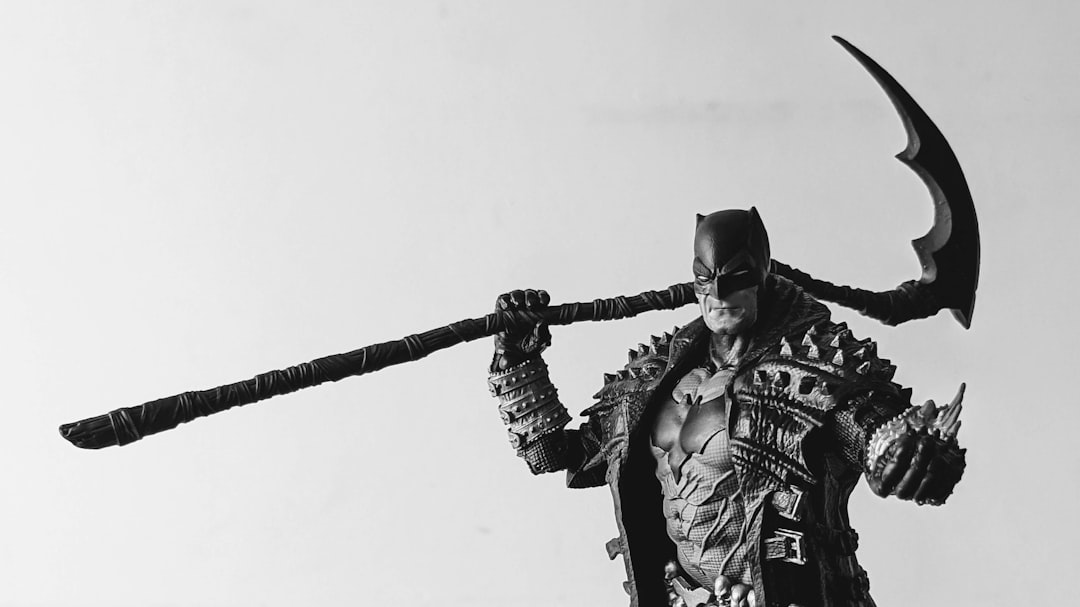
The Absolute Trinity was Darkseid’s secret weapon, but unlike their normally heroic selves, these versions are monsters. That’s the gut-punch twist that the DC K.O. crossover event delivered in early 2026.
Darkseid’s manipulation wound up making tougher, more resilient versions of Superman, Wonder Woman, and their allies. They’re tougher, more hardened, and know that getting their hands dirty is practically a requirement to staying alive in their world.
That brutality and unwillingness to hold back is being weaponized by Darkseid, who takes these Absolute heroes and points them in the direction of whoever is left in the tournament. The cruel irony is that the very qualities that make these characters compelling heroes also make them devastatingly effective as weapons.
Sales Numbers That Silenced the Skeptics
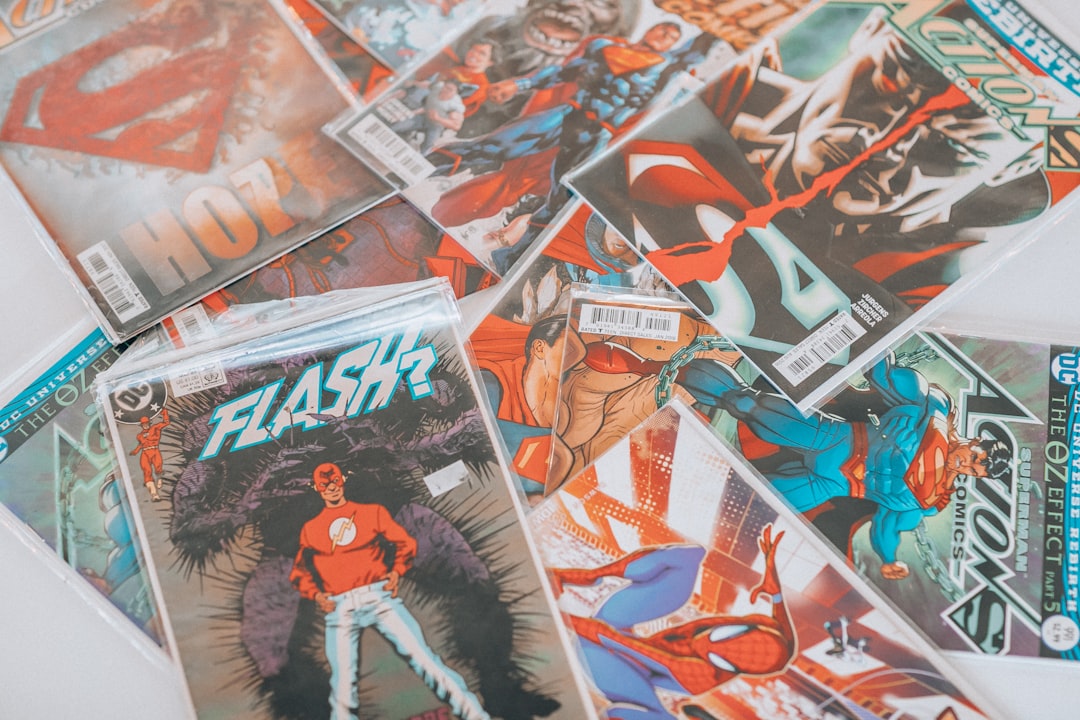
The first issue of Absolute Batman had a print run of around 250,000 copies, and by the end of 2024, Absolute Batman became the best-selling comic of 2024, with combined sales of first, second, third, and black-and-white printings selling just under 400,000 copies.
By February 2025, the line had sold over 2.5 million units. Absolute Flash #1 was the best-selling Flash comic since Flash #1 from 1987, getting over 180,000 pre-orders, along with Absolute Martian Manhunter #1 having sold over 120,000 copies.
As of December 2025, the Absolute Universe line has sold over 8.5 million units, with Absolute Batman being the top-selling title at nearly 3 million. Those are numbers that make the controversy feel like a footnote.
Critical Recognition and the Eisner Factor
The Absolute Batman series carries a composite score of 8.8 out of 10 based on more than 269 critic reviews on ComicBookRoundup. That’s a remarkable sustained score for a monthly superhero title.
Absolute Batman #15, which revealed the Joker’s origin, sold over 300,000 copies – an unusual figure for an issue fifteen installments into a run. According to figures shared by DC, the Absolute Universe line sold over 8.2 million units in 2025 not counting December, with Absolute Batman accounting for approximately 35 percent of those sales, close to 3 million copies.
Five of the six Absolute titles outperformed DC’s previous relaunches, the 2011 New 52 and 2016 Rebirth, according to industry insiders quoted by The Hollywood Reporter. For a publisher that has cycled through relaunch after relaunch, that’s a meaningful benchmark.
What Comes Next: DC All In Act II and Beyond
Batman, Wonder Woman, Superman, and more launched bold new arcs in March 2026 as DC’s ongoing mainline comic book series evolved alongside DC’s Next Level launches and the Absolute Universe. That momentum marked the beginning of DC All In’s second act.
Two additional titles, Absolute Green Arrow by Pornsak Pichetshote and Rafael Albuquerque, and Absolute Catwoman by Che Grayson, Scott Snyder, and Bengal are scheduled for release in 2026. The line is quietly expanding into corners of DC’s roster that, just two years ago, nobody expected to see reimagined this radically.
Ultimately, the Absolute Universe dominated because it gave creators permission to burn it all down. It reminded the industry that these characters aren’t just trademarks to be preserved, but myths that are meant to be reimagined for every generation.
There’s something genuinely refreshing about a publisher willing to bet that its most valuable characters are strong enough to survive losing everything – and then winning anyway. The Absolute Trinity isn’t weaker for what was taken from them. If anything, the stripping away revealed what was always there underneath. That’s the oldest trick in storytelling, and DC, for once, executed it with something close to precision.