
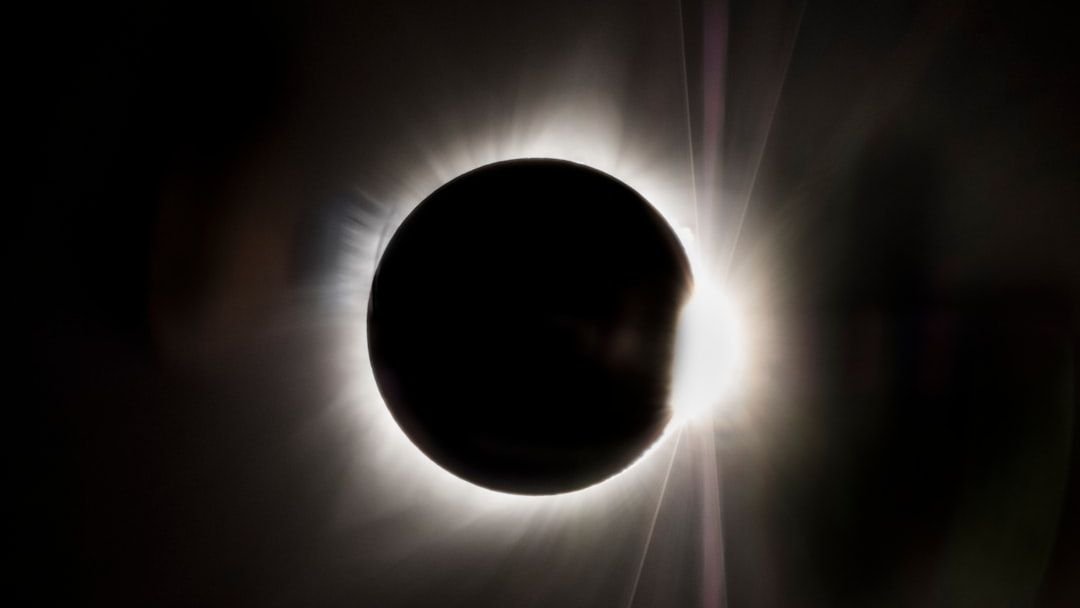

There are moments in astronomy that genuinely stop people in their tracks. Not because they were predicted with confidence, but because the Sun itself decides to show off in ways that leave even the sharpest scientific minds scrambling for explanations. The so-called “double-corona” effect is exactly one of those moments.
You may have heard about solar eclipses your whole life. You may have even watched one. But what scientists have been quietly observing since the peak of Solar Cycle 25 suggests that what people witnessed most recently, and what observers could witness in coming eclipses, is unlike anything the casual skywatcher has been taught to expect. Let’s dive in.
What the Corona Actually Is – And Why It Still Baffles Scientists
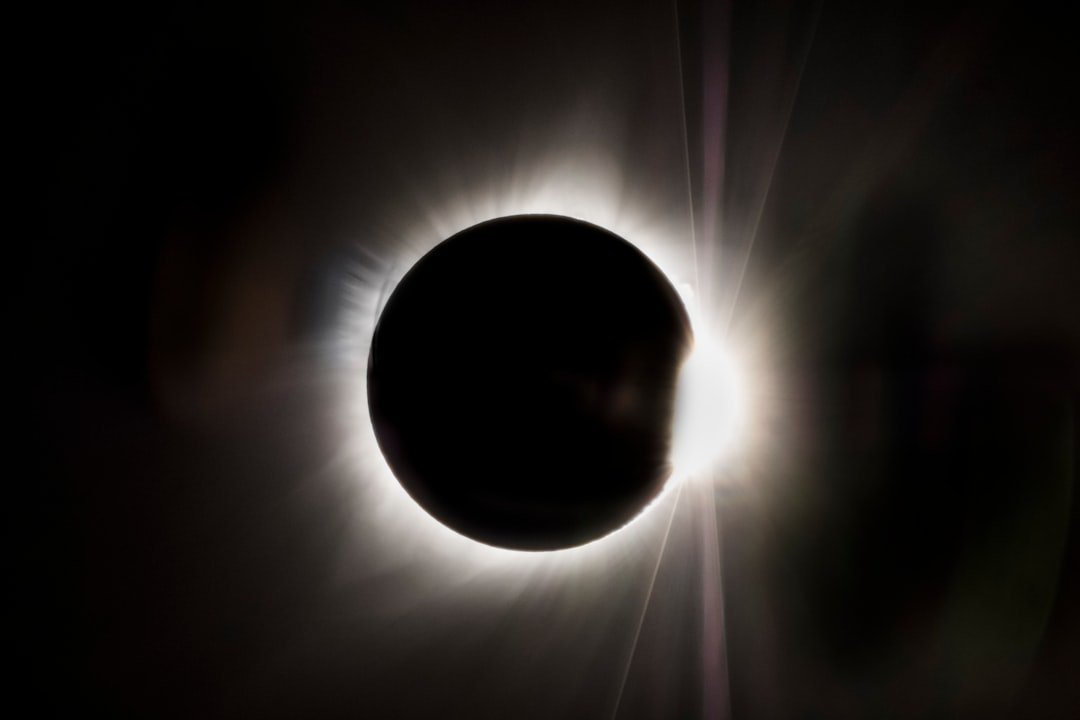
The Sun’s corona is the outermost part of the Sun’s atmosphere, usually hidden by the overwhelming brightness of the Sun’s surface, making it nearly impossible to see without specialized instruments. Think of it like trying to spot a candle flame while standing directly next to a floodlight. The candle is real, and spectacular, but you simply can’t see it under normal conditions.
The corona’s temperature reaches between 1.5 to 2 million kelvins and is primarily composed of highly ionized gases, including hydrogen and helium. Here’s the thing that still genuinely puzzles physicists: this heating causes the temperature to rise steeply from a minimum of about 4,400 kelvins in the upper photosphere to about 1.5 to 2 million kelvins in the corona, meaning the outer atmosphere is actually far hotter than the visible surface below it. That’s a bit like saying the air above a bonfire is hotter than the fire itself. It makes no immediate sense, and scientists are still working it out.
The corona’s complex magnetic field plays a crucial role in heating it and driving solar phenomena such as coronal mass ejections and the solar wind, which consists of streams of charged particles that affect space weather and can impact Earth’s atmosphere. It’s not just a pretty glowing halo. It’s the engine behind space weather as we know it.
Solar Maximum: Why Timing Changes Everything
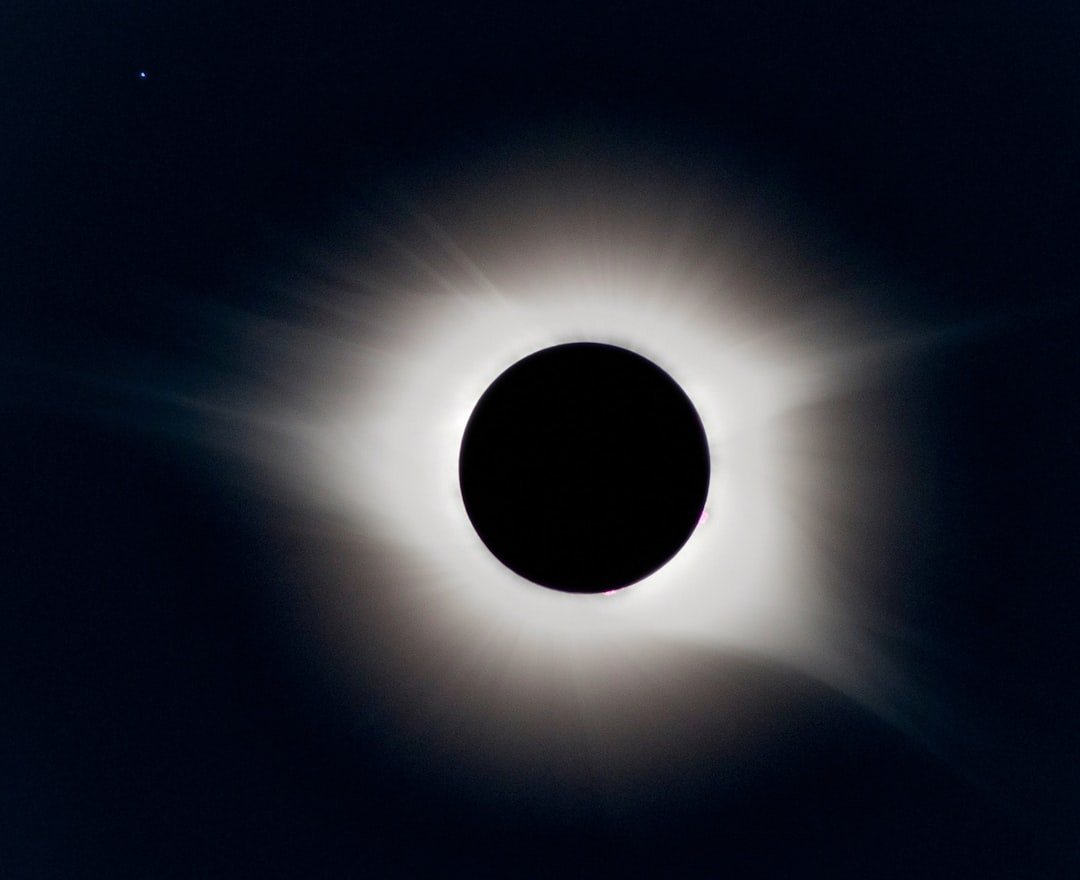
Solar features like coronal loops would be visible with the naked eye if a total solar eclipse occurred during solar maximum, the point in the Sun’s approximately 11-year cycle when the Sun is more active, producing solar eruptions that can be seen as loops and streamers in the corona. The difference between seeing an eclipse at solar minimum versus solar maximum is genuinely dramatic. Imagine the difference between a calm lake and one in the middle of a storm.
An image taken close to the last solar minimum on July 2, 2019, in Chile showed the corona at its smallest, with defined streamers at the poles and few prominences. Fast-forward to April 20, 2023, and an eclipse observed closer to solar maximum showed the corona much larger and more defined, with prominences everywhere. That visual shift is staggering when you actually compare the two side by side.
The Sun is near the maximum phase of the solar cycle, so the solar magnetic field is evolving rapidly. Solar Cycle 25 has ramped up much faster than scientists predicted, producing more sunspots and eruptions than experts had forecast. Honestly, the Sun has been full of surprises lately.
The “Double-Corona” Effect: What Scientists Are Actually Seeing
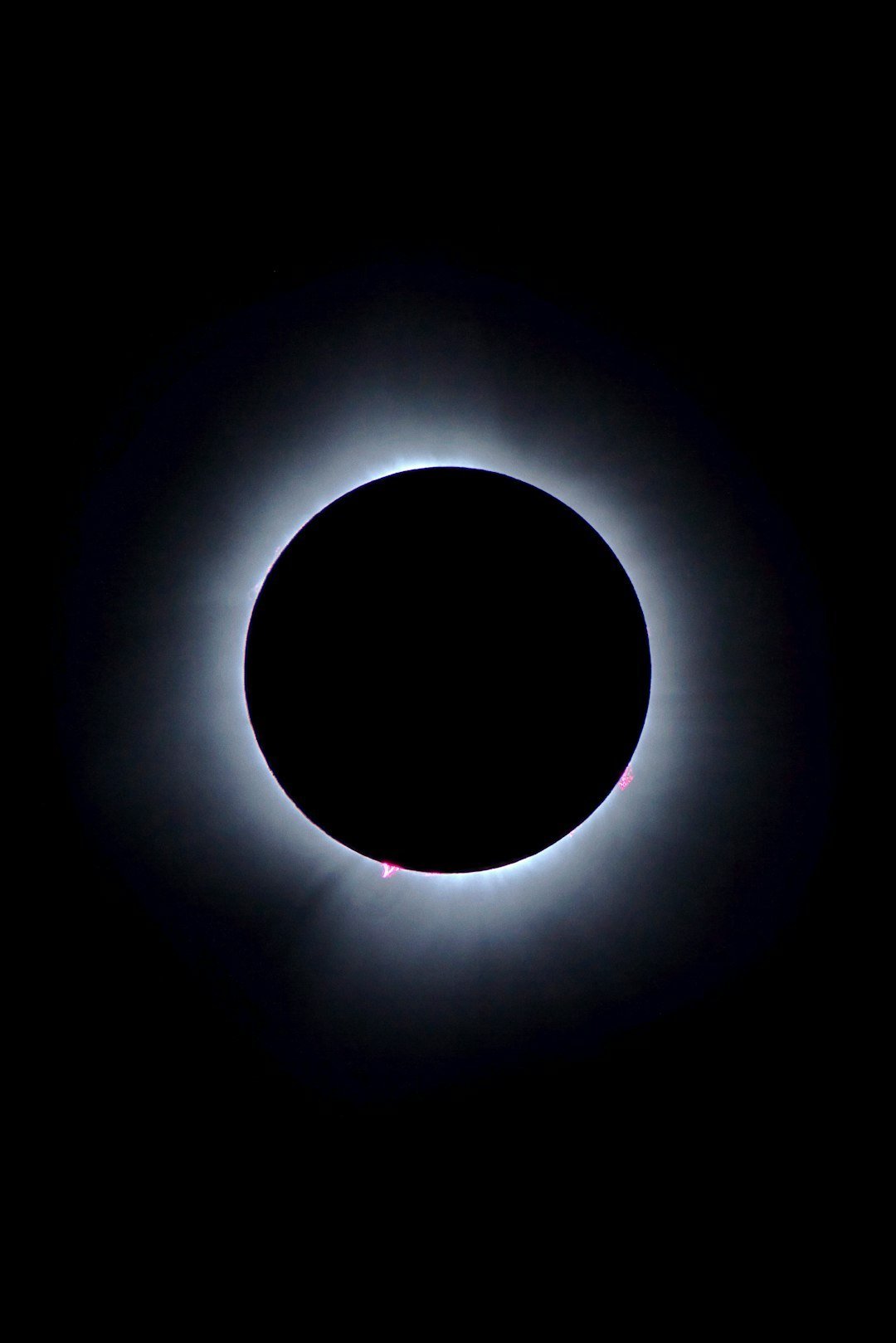
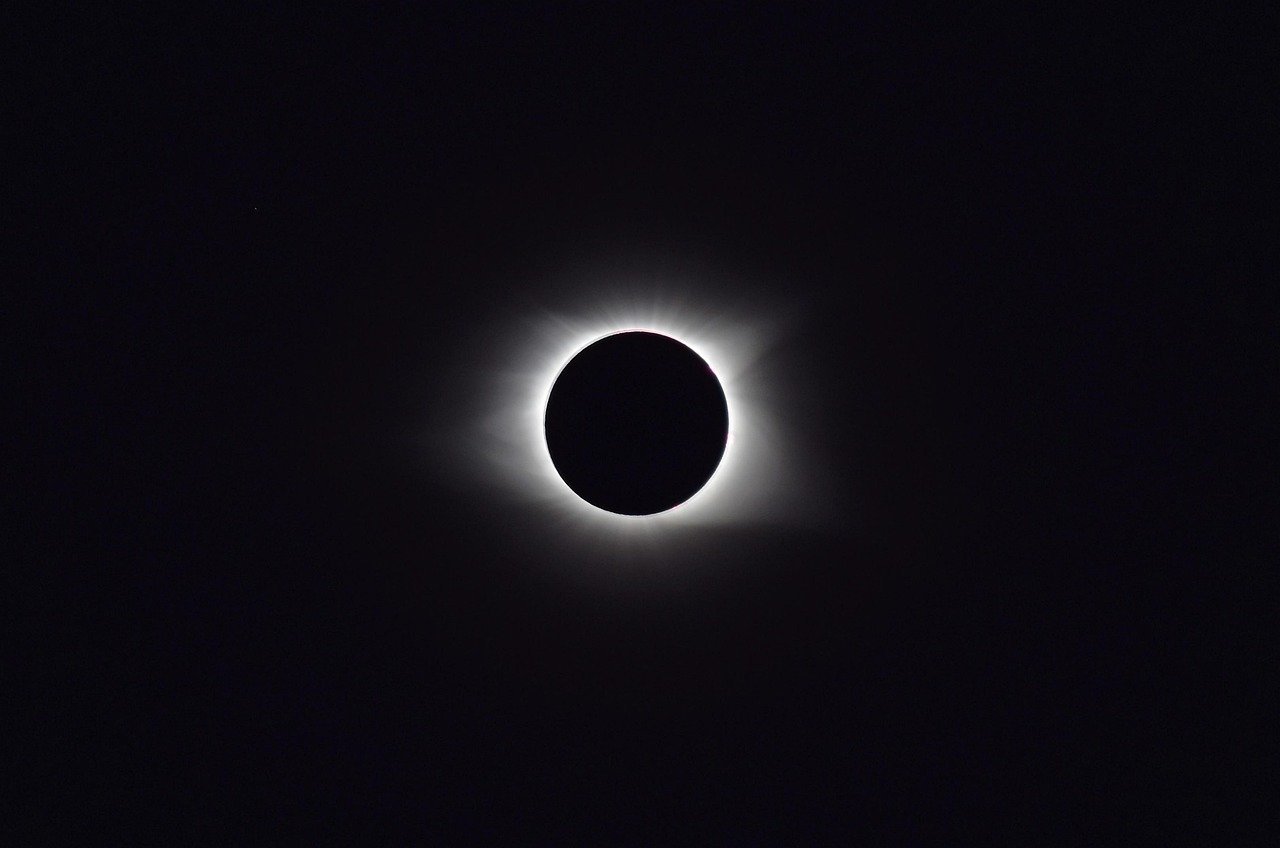
A total solar eclipse occurred on April 8, 2024, during the maximum of Solar Cycle 25. The eclipse images revealed a very complex structure of the solar corona, with multiple streamers and a prominence visible on the south-west limb of the Sun. It’s during these rare moments of overlapping structures that the visual effect of what can be described as a “double corona” becomes possible.
The major white-light structures tend to be long streamers, which extend from the limb of the Sun more or less radially, and loops, which are almost always associated with concentrations of surface magnetic fields. When several of these streamers stack or overlap at different layers, viewed from Earth’s angle, they can appear as distinct nested rings. During an eclipse, instruments can see the entirety of the corona from the Sun’s surface outward, and the Moon’s extensive shadow dims the entire sky, making it easier to see faint features in the corona.
In synthetic white-light images from coronal models, researchers can see two narrow streamers near the equator that then merge and blend into a larger streamer, a process driven by new information about emerging magnetic activity. That merging behavior, captured in both models and real observations, is exactly the kind of layered structure that produces the striking double-ring illusion.
The Role of Magnetic Turbulence in Creating Layered Coronas
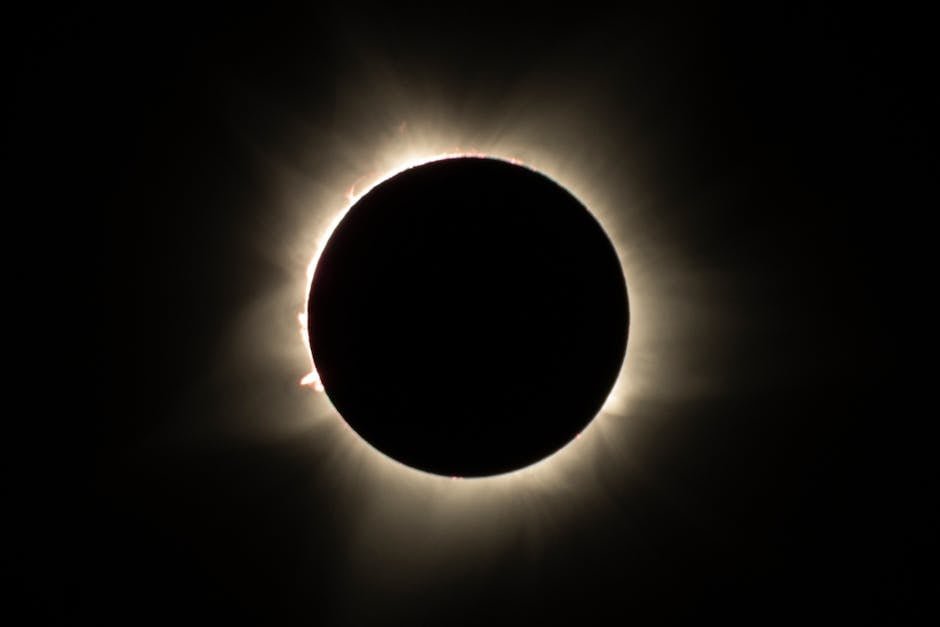
Researchers at the University of Hawaiʻi have uncovered new clues about how energy moves through the Sun’s outer atmosphere using total solar eclipses. Drawing on more than a decade of eclipse observations, a team led by Shadia Habbal at the Institute for Astronomy has, for the first time, clearly identified turbulent structures in the Sun’s corona and shown that they can survive far from the solar surface. This is genuinely new science, not textbook territory.
Within these structures, the team identified clear signs of turbulence. Some features form vortex rings that resemble smoke rings, while others show rolling, wave-like motions similar to those seen in Earth’s clouds. By comparing eclipse data collected over nearly 12 years, spanning a full solar cycle, the researchers traced the origin of this activity to prominences, large looping structures rooted on the Sun.
Prominences are dramatically cooler and denser than the million-degree plasma surrounding them. Where these contrasting regions meet, sharp changes in temperature and density create unstable conditions that trigger turbulent motion. It’s a bit like watching two ocean currents of different temperatures collide. The visual result, from Earth’s vantage point during an eclipse, can appear as distinct, separate layers of glowing atmosphere.
Supercomputers and Real-Time Predictions: A New Era of Solar Science
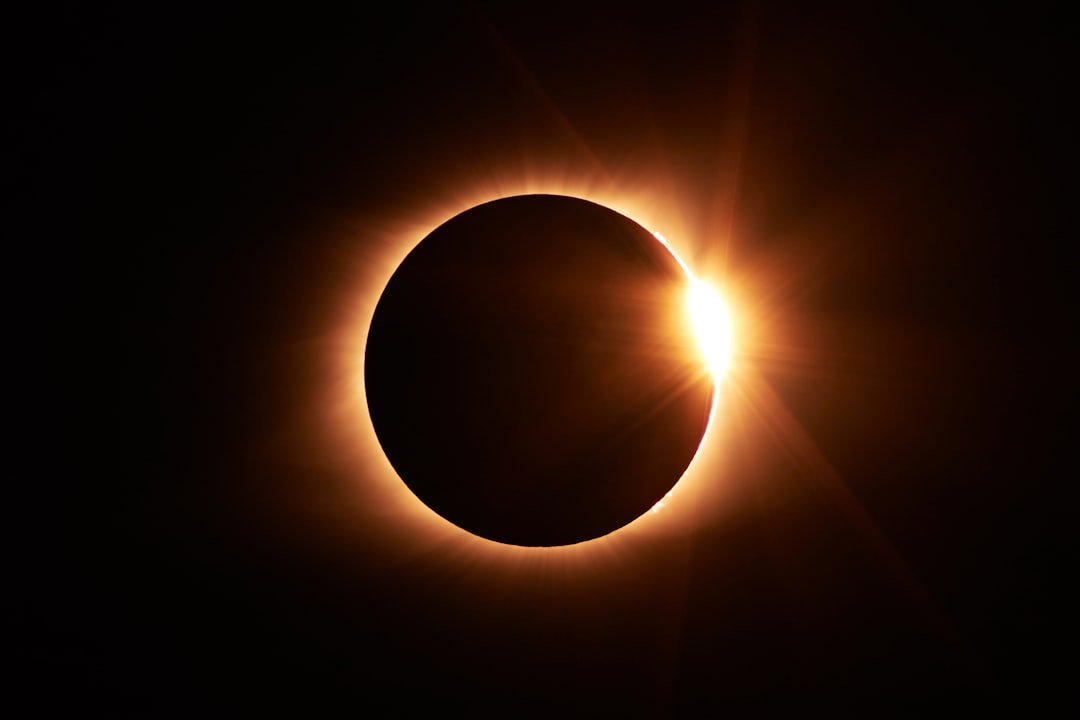
A team of scientists is using supercomputers and extra-fresh data to predict the appearance of the Sun’s outer atmosphere, or corona. The region is only apparent during a total solar eclipse, when the Moon precisely blocks out the light from the Sun’s visible surface, so the exercise allows scientists to test their understanding of how the Sun’s magnetic field governs the star’s atmosphere. It sounds like science fiction, but it’s very much happening right now.
Researchers used the Aitken, Electra, and Pleiades supercomputers at the NASA Advanced Supercomputing facility. With near-real-time data from NASA’s Solar Dynamics Observatory and ESA’s Solar Orbiter, they created a dynamic model of the corona. The team’s model accurately predicted several details, including long streamers, but their locations were slightly misaligned because some new activity on the far side of the Sun, which affected the corona’s appearance, wasn’t yet incorporated into the model.
During solar maximum, the Sun is a roiling tempest, with frequent flares bursting forth with no warning. Information about eruptions on its unseen backside couldn’t be incorporated into the simulations until the Sun rotated and brought that hidden activity into view. Even with all our technology, the Sun keeps secrets right up until the last moment.
The ESA Factor: Space-Based Eyes on an Unusually Active Sun
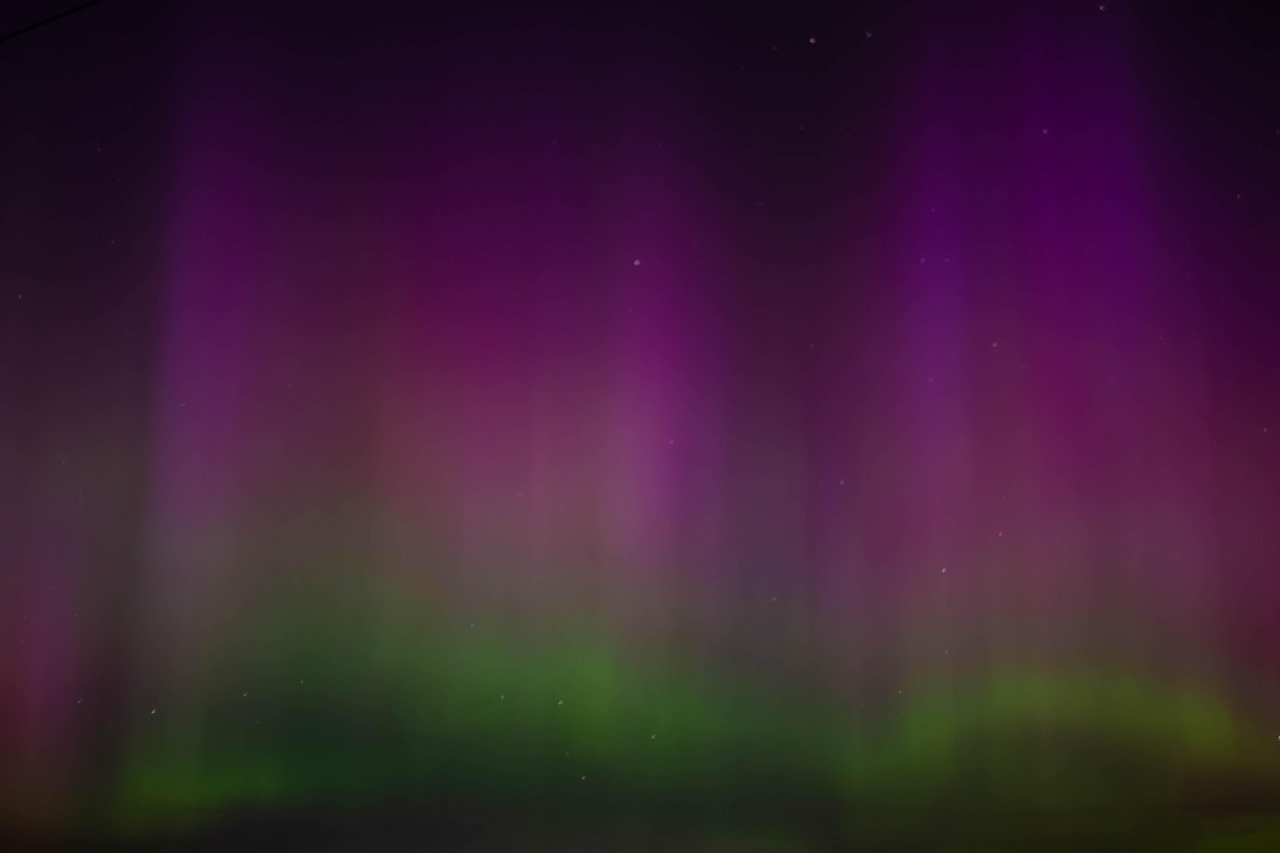
In the weekend of May 10 to 12, 2024, the biggest solar storm to hit Earth in over 20 years swept over our planet, producing an intense geomagnetic storm and creating beautiful auroras which lit up the sky at much lower latitudes than usual. That storm was a direct product of the extraordinary solar activity period we’ve been living through, and it directly shapes what the corona looks like during any eclipse near this time.
As Solar Cycle 25 approached its peak, NOAA warned to expect more sunspots, each a region of intense magnetic activity capable of producing solar flares and coronal mass ejections, with this period of elevated activity potentially lasting up to several years. More sunspots mean more active regions, and more active regions mean a corona so complex it can layer itself visually into what observers describe as multiple halos.
A spacecraft from the European Space Agency, Solar Orbiter, was positioned circling almost directly above the Parker Solar Probe at the time of the 2024 eclipse. Together, the observatories tag-teamed to capture details of the Sun’s atmosphere and solar wind. That kind of multi-spacecraft coordination is genuinely unprecedented, and it’s giving scientists a level of detail about coronal structure they simply didn’t have before.
What Comes Next: The 2026 Eclipse and the Shifting Solar Picture
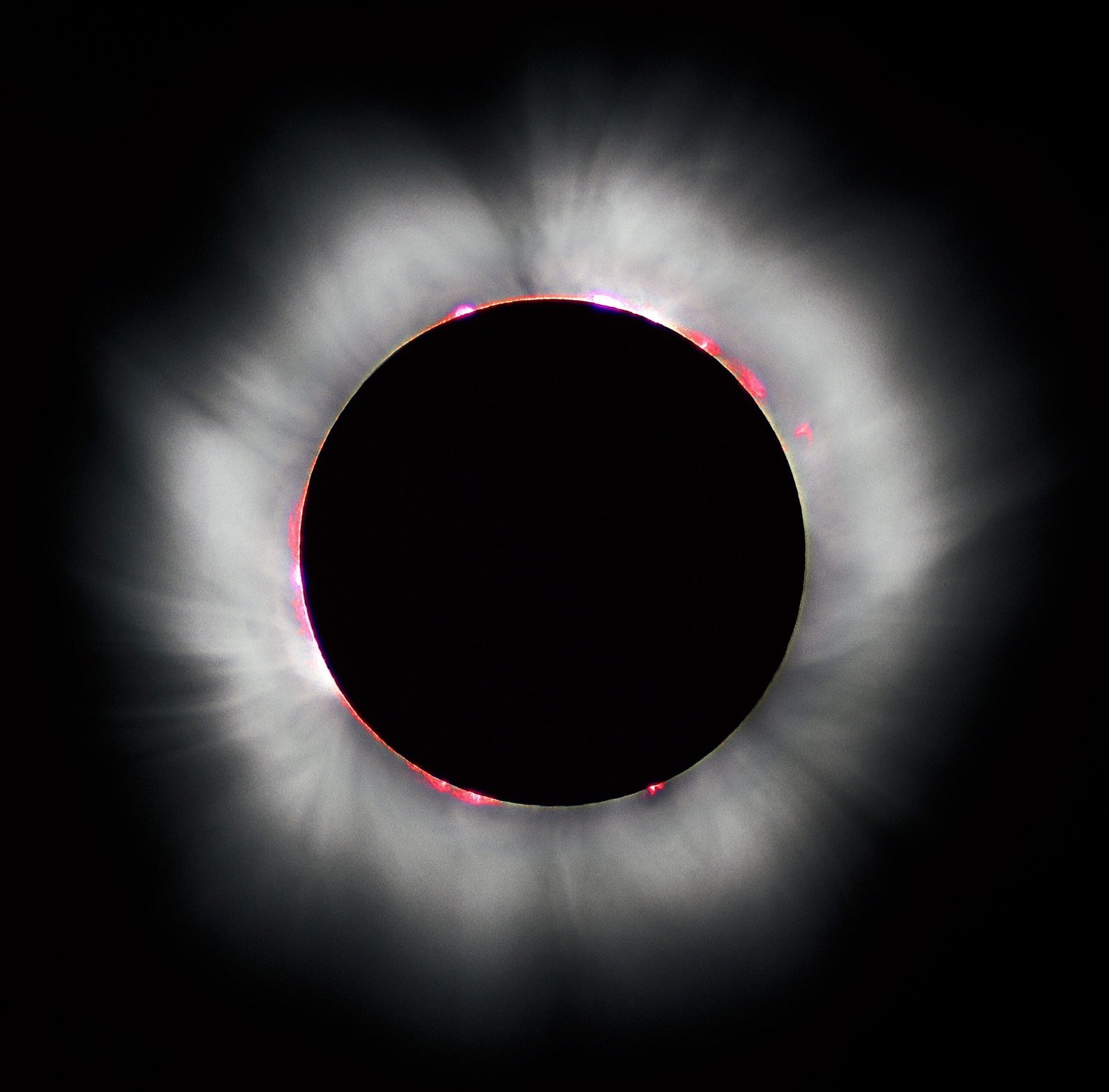
On August 12, 2026, the first total solar eclipse for mainland Europe since 1999 will be visible from parts of Russia, Greenland, Iceland, and Spain. It will be a very different experience from the 2024 North American event, not just geographically but scientifically. The Sun will have moved past its peak, and that matters enormously for what the corona will look like.
In 2017, eclipse forecasting was helped by the fact that the Sun was near solar minimum, a low point in its 11-year activity cycle. During solar minimum, the Sun is relatively stable, with sudden changes few and far between. The 2026 eclipse will likely fall somewhere between the wild complexity of solar maximum and the calmer geometry of minimum, meaning a potentially cleaner but less dramatic corona, and probably no “double corona” layering visible to the naked eye.
Turbulent structures in the Sun’s corona have been directly identified and shown to persist far from the solar surface. These features, originating near prominences where sharp temperature and density gradients exist, contribute to the formation and evolution of the solar wind. The findings clarify how energy is transferred from the Sun into space, influencing space weather. Each eclipse, in other words, is a scientific chapter in an ongoing story we’re only beginning to read properly.
Conclusion: The Sun Is Showing Us Something We’ve Never Quite Seen Before
I think what makes the “double-corona” discussion so compelling isn’t just the visual spectacle. It’s what it represents scientifically. We are living through a rare convergence of a hyperactive solar cycle, new space-based instrumentation, and supercomputer modeling that together allow us to decode the Sun’s outer atmosphere at a level previous generations could only dream about.
Long before cameras, telescopes, or spacecraft, the only opportunity people had to view the Sun’s corona was during a total solar eclipse. Today, scientists still use total solar eclipses as exciting opportunities to study the corona and the effect of the solar wind on Earth. Some things, it turns out, haven’t changed at all. The eclipse is still the single greatest natural laboratory available to solar science.
The layered, turbulent, visually shocking corona we’ve been seeing in recent years is not a glitch or an illusion. It’s the Sun at full volume. And if you’ve never stood in the path of totality, looked up, and felt your knees go weak at the sight of it, well – there’s still time. What would you have guessed was up there, if nobody had told you first?