
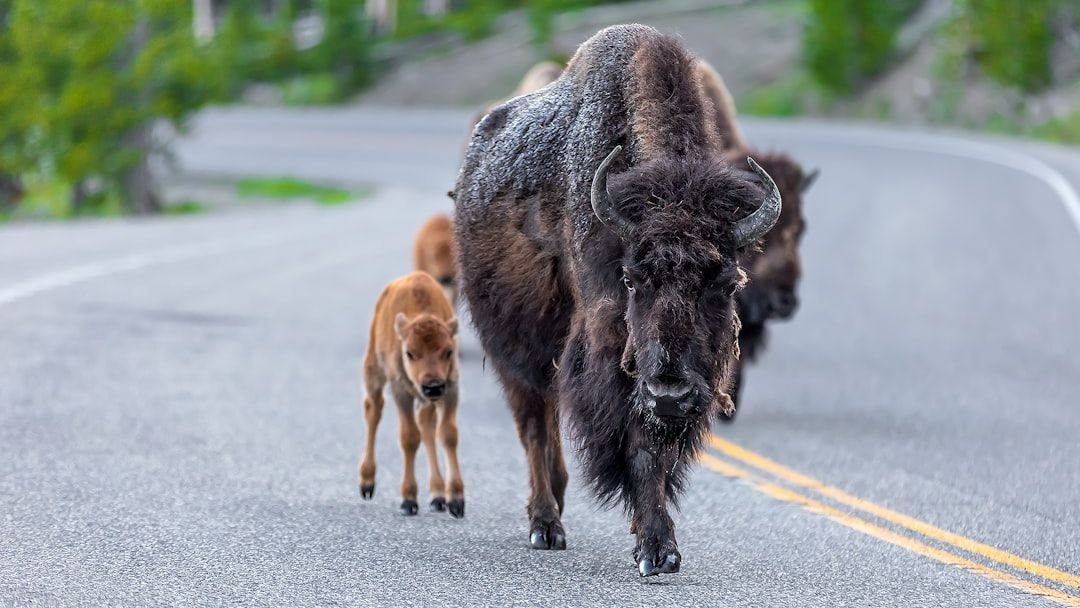

Most accounts of the American frontier celebrate the cowboy, the cavalry, and the railroad. Far fewer pause on the man kneeling behind a set of shooting sticks, half a mile from a grazing herd, squeezing a trigger for profit. The commercial buffalo hunter was, at his core, a businessman. His rifle was a tool. His ledger was measured in hides.
The story of how the Great Plains were opened to settlement is, at its deepest level, an economic one. It was driven not by manifest destiny alone, but by global leather markets, foreign tanning innovations, and the cold arithmetic of supply and demand.
A Population That Once Seemed Infinite
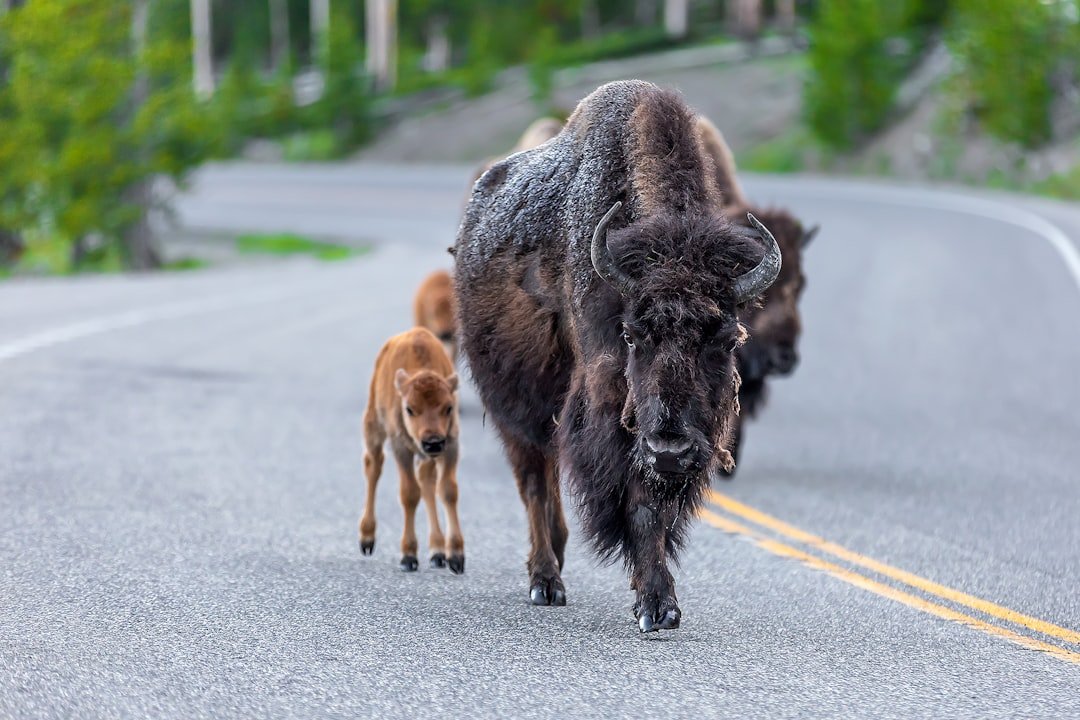
In the sixteenth century, North America contained twenty-five to thirty million buffalo. While removing the buffalo east of the Mississippi took over one hundred years, the remaining ten to fifteen million buffalo on the Great Plains were killed in a punctuated slaughter lasting little more than ten years. The speed of that collapse is what makes the story genuinely strange. Nothing in American ecological history happened quite so fast.
Bison numbers were already in decline by the 1840s, but the vast herds’ almost complete disappearance over the next half-century was not the result of some single, catastrophic event or agent. Instead, it was the outcome of a web of colliding changes that beset the West at a particular and critical moment in history. Along with the insatiable market for bison products, the herds were hit by a “perfect storm” of other effects, including exotic animal diseases, competition with horses for grass and water, and climate change that brought drought to the Great Plains.
The Tanning Innovation That Started It All
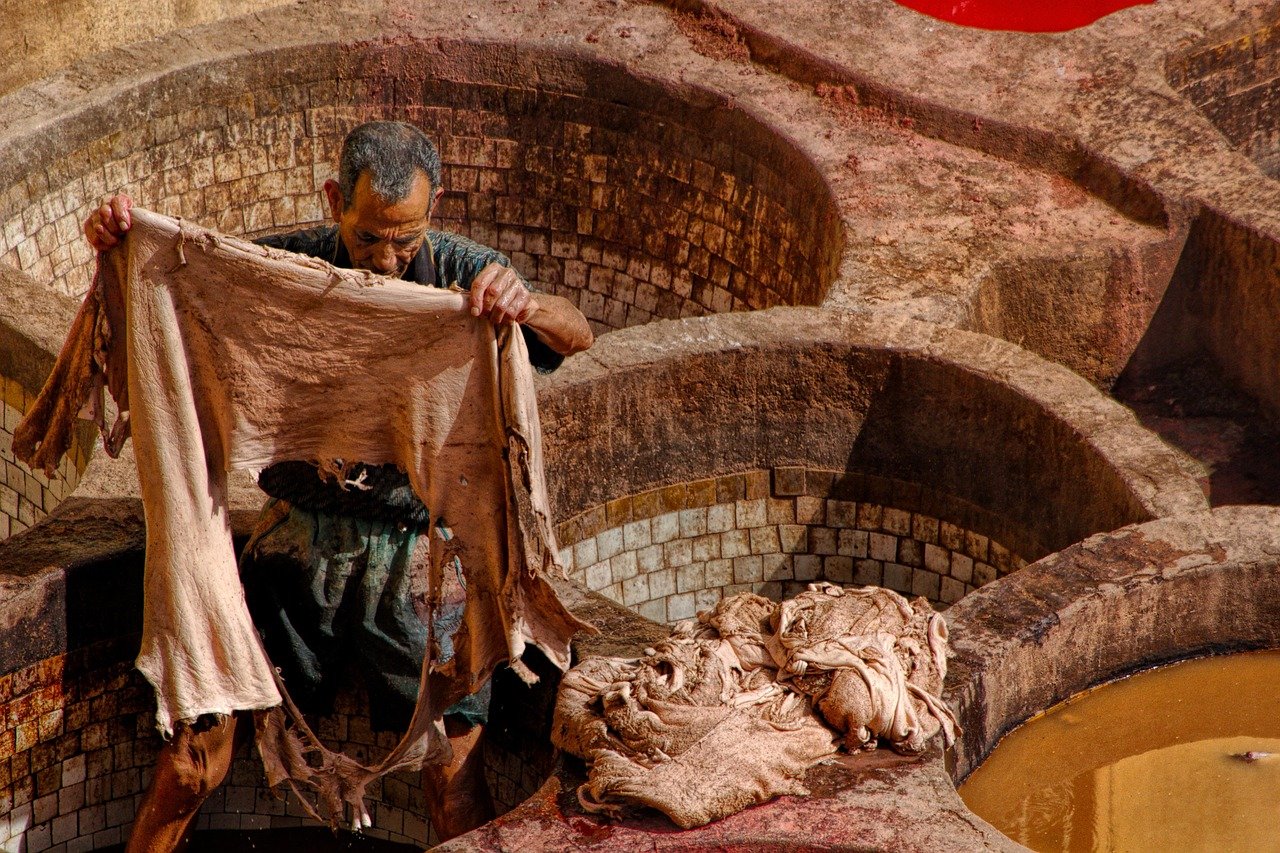
In the early 1870s, a cheap commercial process for tanning bison hides was developed in England and Germany. Bison hides from which the hair had been removed were superb for making boot soles and industrial belts. Before this discovery, buffalo hide was considered too coarse and unpredictable for wide commercial use. A single European breakthrough changed everything practically overnight.
European armies and factories were a huge market, and within months of the tanning innovation, orders for bison hides poured into America. Due to its durability, bison leather was used for industrial belting, shoes, and military uniforms for various armies. The American Plains were suddenly connected to the textile mills of Manchester and the armories of Berlin through the raw material sitting on the backs of grazing animals.
The European Demand That Fueled the Slaughter

Economist M. Scott Taylor employed theory, data from international trade statistics, and first-person accounts to argue that the slaughter on the plains was initiated by a foreign-made innovation and fueled by a foreign demand for industrial leather. Ironically, the ultimate cause of this sad chapter in American environmental history was of European, and not American, origin.
Taylor’s findings suggest approximately six million buffalo hides were exported over the 1871 to 1883 period, representing a buffalo kill of almost nine million animals. Between 1871 and 1883, those hides were tanned into leather for machinery belts and made into heavy-duty soles for army boots, as buffalo leather was tougher and thicker than cowhide. The entire enterprise was driven by demand that originated thousands of miles away.
The Sharps Rifle: A Tool of Industrial Precision
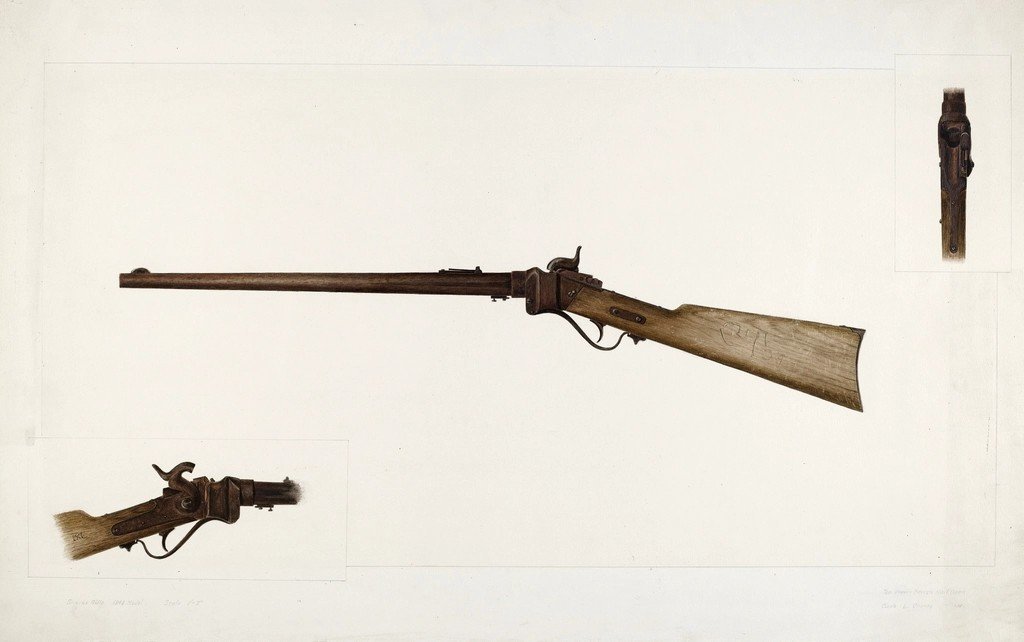
Some of the buffalo hunters were among the finest marksmen the frontier ever produced. They had advanced tools for the job, most notably the 1874 Sharps Rifle, purpose-built for the trade. Unlike muzzle-loading rifles that required slow, complex loading procedures, the Sharps rifle allowed rapid reloading through a simple breech-loading mechanism. This advantage made the Sharps rifle the choice of marksmen, buffalo hunters, and soldiers across decades of American history.
Hunters routinely made killing shots at three hundred to four hundred yards, ranges impossible with earlier firearms technology. This capability made the systematic hunting of buffalo herds economically viable, contributing to the near-extinction of American bison by the 1880s. The rifle was not just a weapon. It was the machine at the center of a supply chain.
The Economics of a Single Stand
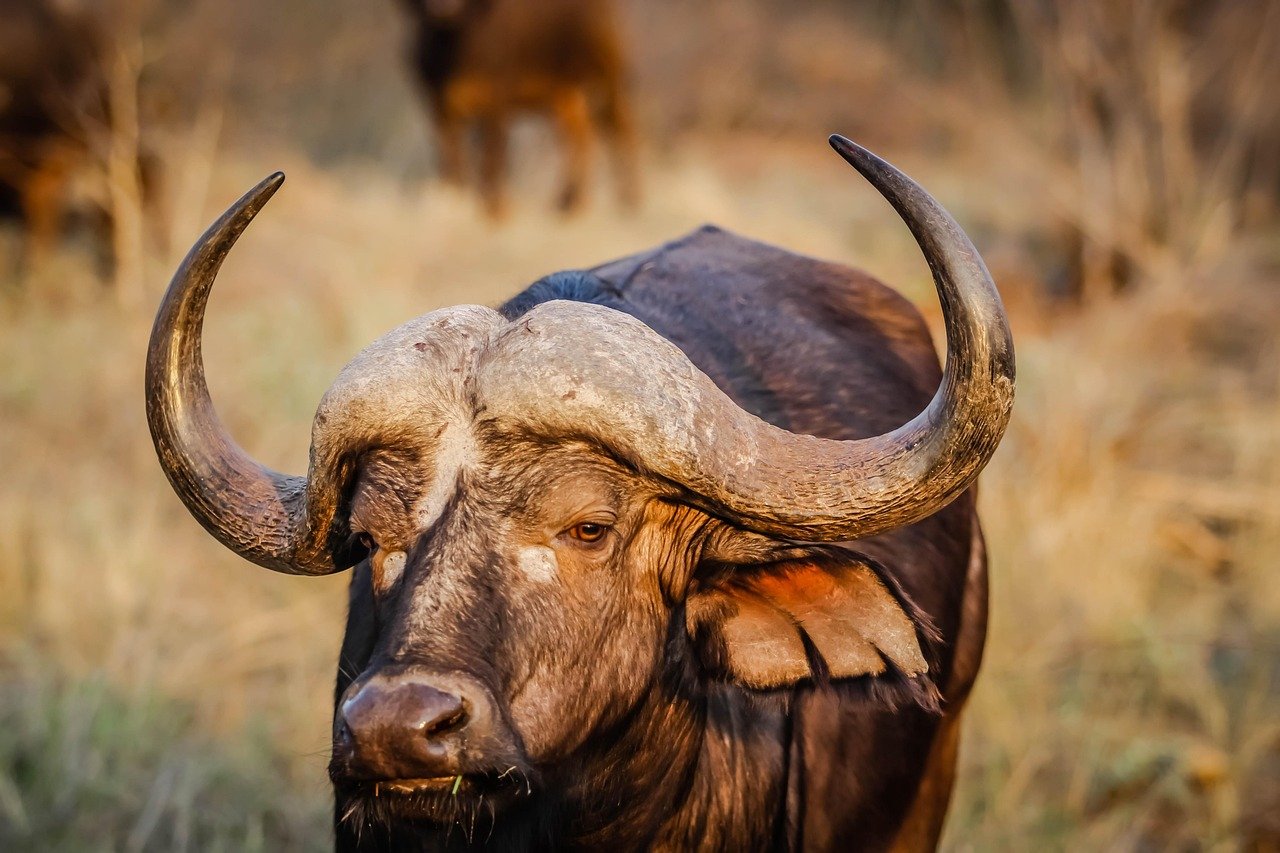
Old West bison hunting was very often a big commercial enterprise, involving organized teams of one or two professional hunters, backed by a team of skinners, gun cleaners, cartridge reloaders, cooks, wranglers, blacksmiths, security guards, teamsters, and numerous horses and wagons. A good buffalo camp looked less like a romantic frontier scene and more like a small industrial operation with moving parts, payroll, and logistics.
The actual hunting only involved one or two sharpshooters. More plentiful were the skinners who followed the hunters to remove the pelts, which was an occupation only grudgingly undertaken by desperate men needing to find at least some form of employment in the hide trade. A good hunter could kill as many as one hundred buffalo in an hour or two, and from one thousand to two thousand in a season.
Dodge City and the Hide Market
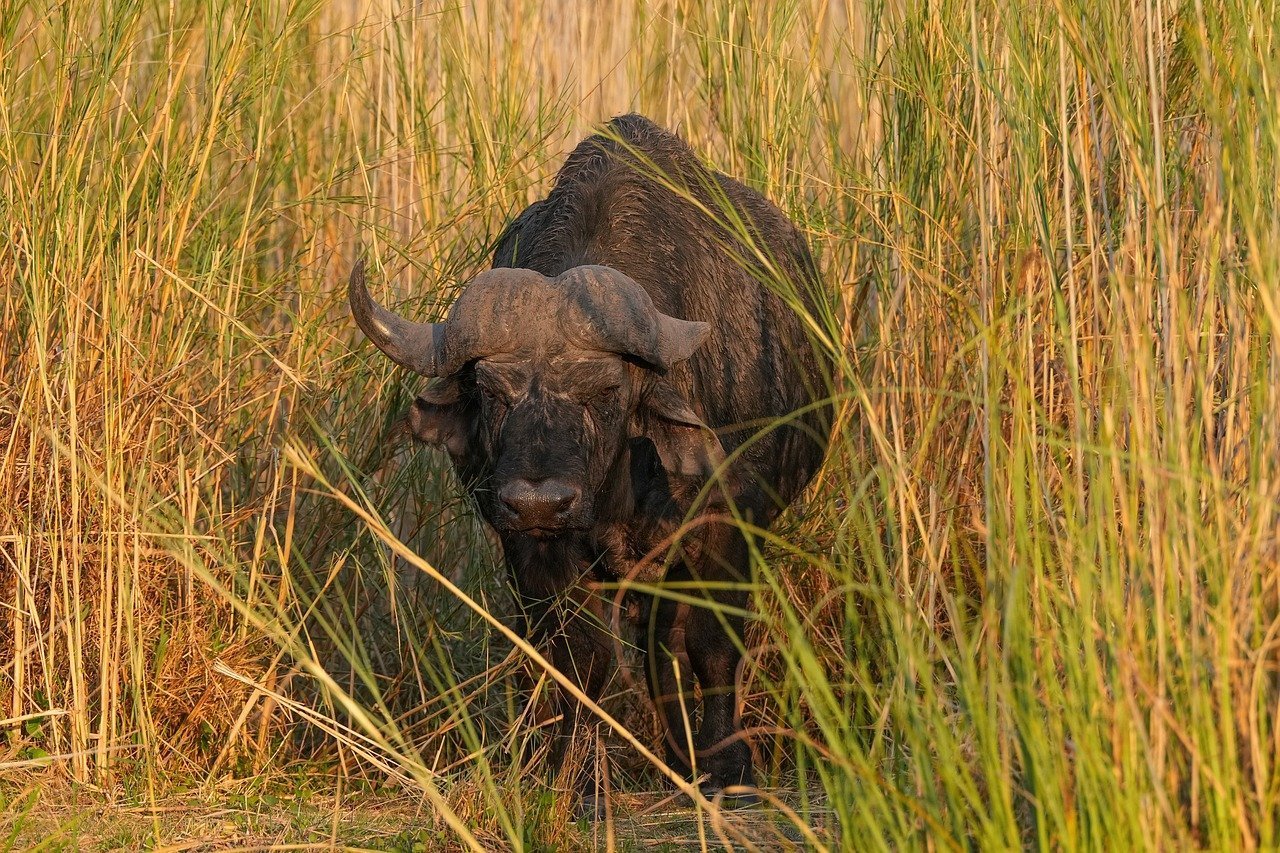
By the fall of 1872, the railroad had reached what became known as Dodge City, by then the hub of the buffalo trade. By winter a chain of camps stretched from Dodge westward into Colorado Territory, each filled with adventurers seeking “buffalo gold.” Among the most successful hunters was Frank H. Mayer, who for the years 1872 and 1873 netted six thousand dollars in hides.
Tanneries paid as much as three dollars per hide and twenty-five cents for each tongue, which made a comfortable living for hundreds of men, including Wyatt Earp, Bat Masterson, Pat Garrett, Wild Bill Hickok, and William F. Cody. Leavenworth, Kansas, became a trading center for the buffalo hides, and tanneries found even more uses for the material, such as making drive belts for industrial machines and grinding buffalo bones into fertilizer.
The Railroad as Economic Multiplier

The immediate cause for the tremendous slaughter of buffalo in the 1870s and 1880s was the completion of the transcontinental railroad. When the Union Pacific was completed in 1869, it became possible to ship hides from the Great Plains to eastern markets for a profit. Before rail access, even a hunter sitting atop a sea of hides had no way to convert them into cash. The railroad dissolved that bottleneck entirely.
The division of the bison herds became permanent with the building of the Union Pacific railroad through the Platte River valley in the 1860s. The railroad created a local demand for buffalo meat and brought sport hunters, inquisitive easterners, and foreign dignitaries eager to go out West on a buffalo hunt. Commerce and spectacle arrived on the same train.
The Military’s Role in Protecting the Trade
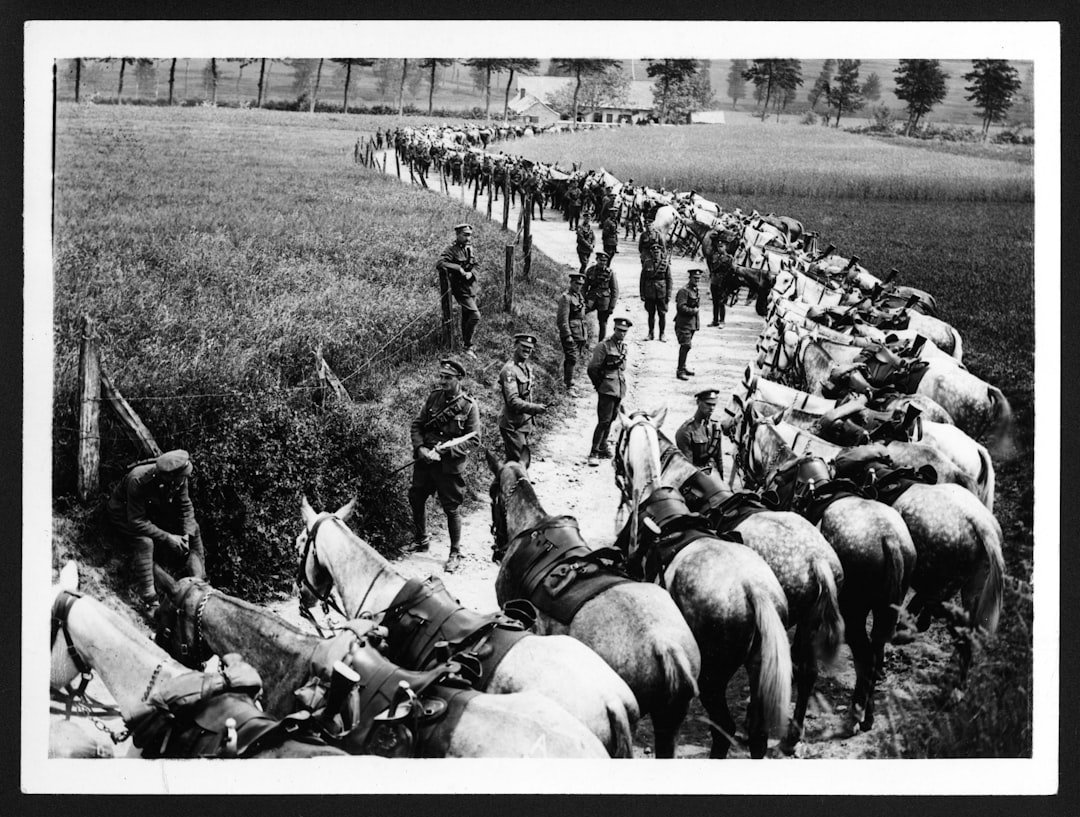
Scholars of western American history have long recognized the post-Civil War frontier army’s complicity in the near-extermination of the buffalo. Historian Richard White represents the scholarly consensus in stating that “various military commanders encouraged the slaughter of bison” by white hide hunters in order to cut the heart from the Plains Indians’ economy.
Beyond the free ammunition provided, the frontier military posts also furnished protection, supplies, equipment, markets, storage, and shipping facilities to the hide hunters. A case in point is Fort Griffin, the rough-hewn settlement that had grown up in the shadow of the protective military post by the same name, founded in 1867. The hide trade and the U.S. Army operated in close alignment, each serving the other’s goals.
The Bones After the Blood
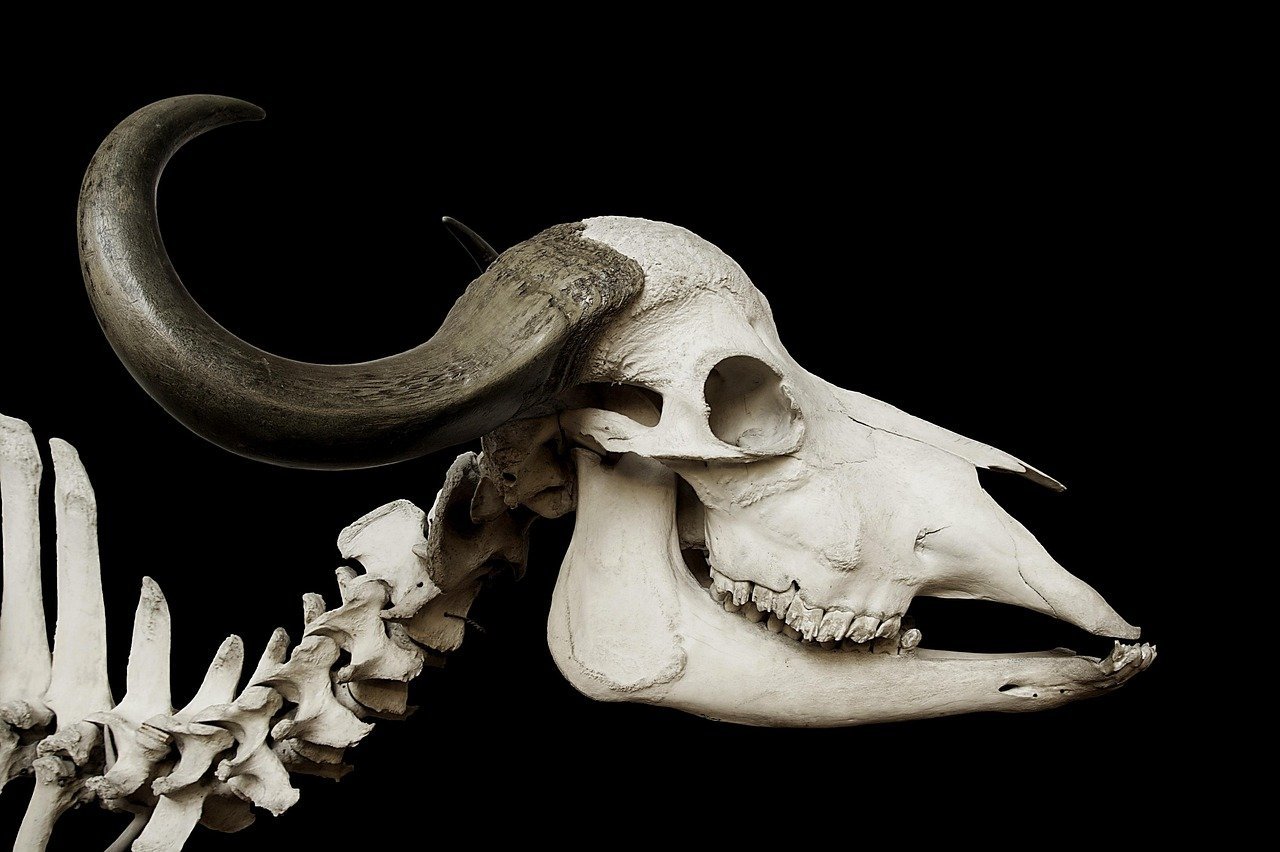
It might seem the buffalo had already given the frontier economy its all. But as The New York Times put it, “Here commerce steps in again to ask for something else; the very last remnant there is left of an annihilated race.” Fields of bones blanketed the prairie, mute evidence of the herds’ former vastness. These forlorn skeletons became a new cash crop.
Eastern markets ground the bones for fertilizer or made buttons from them. Factories refined the calcium phosphate from them to whiten sugar or to make bone china. Bone pickers earned from two to eight dollars a ton, and a large wagon could carry several tons. By 1883, Dodge City alone had shipped four thousand tons of bones east. Every part of the animal, down to its skeleton, was eventually monetized.
What the Buffalo Ledger Left Behind

The rapid destruction can be seen from these figures: in 1882, two hundred thousand hides were shipped out of the Dakota Territory; in 1883, forty thousand; and the following year, only one carload. The collapse of the trade was as fast as its rise. It was estimated that for every two hides shipped, three were lost to spoilage or waste.
The slaughter of the buffalo in particular was pivotal in the rise of the conservation movement in the late nineteenth and early twentieth century. The buffalo were eventually saved from extinction, and today it is estimated that there are over one hundred and fifty thousand bison on public preserves and in private hands. The recovery is real, though the scale of what was lost is almost impossible to fully reckon with.
The “Buffalo Ledger” was not simply a record of animals killed. It was a balance sheet connecting European industry to the American Plains, sharpshooters to global commodity markets, and a vanishing ecosystem to the engine of westward expansion. The frontier was not won by mythology. It was won by economics, written in hides and settled with a Sharps rifle at four hundred yards.